✓ Art investment can offer diversification and inflation hedging.
✓ Understanding provenance and condition is crucial for valuation.
✓ The art market is illiquid, requiring a long-term perspective.
✓ Authenticity and expert appraisal are non-negotiable.
How It Works
1
Educate Yourself Thoroughly
Before buying, immerse yourself in art history, market trends, and artist biographies. Knowledge is your most powerful tool in this unique market.
2
Define Your Investment Goals
Determine if you're collecting for passion, financial return, or a combination. Your objectives will guide your acquisition strategy and risk tolerance.
3
Start Small and Diversify
Begin with accessible pieces and gradually build your collection. Diversifying across artists, periods, and mediums can mitigate risk.
4
Seek Expert Guidance
Consult with art advisors, gallerists, and appraisers to validate your choices. Their expertise can prevent costly mistakes and open new opportunities.
Understanding the Art Market Landscape: A Beginner's Guide to Art Investment
Photo: Rafael Minguet Delgado / Pexels
The world of art investment, often perceived as exclusive and intimidating, is increasingly accessible to informed beginners. Far from being a mere aesthetic indulgence, art can function as a tangible asset, offering diversification benefits to a traditional investment portfolio. However, unlike stocks or bonds, the art market operates on unique principles, driven by taste, provenance, historical significance, and a degree of subjectivity. For those taking their first steps, grasping this landscape is paramount. The art market is broadly divided into two segments: the primary market, where new works are sold directly by artists or through galleries, and the secondary market, which involves resales of existing works, often through auction houses or dealers. Understanding the dynamics of both is crucial. The primary market allows you to discover emerging talent and potentially acquire works at lower prices before an artist gains significant recognition. However, identifying future stars requires a keen eye and extensive research. The secondary market, conversely, offers works by established artists with often clearer market histories and valuations, but typically at higher price points. The value of art is not solely determined by supply and demand in the conventional sense. Factors like an artist's exhibition history, critical acclaim, inclusion in major museum collections, and the rarity of their works all contribute significantly. Economic cycles also play a role, with luxury assets like art often performing differently during periods of inflation or recession compared to traditional financial instruments. Furthermore, the illiquidity of art is a critical aspect. Unlike publicly traded securities, selling a piece of art can take time, sometimes months or even years, and involves transaction costs such as auction house commissions or dealer fees. This illiquidity necessitates a long-term investment horizon, typically five to ten years or more, to realize potential appreciation. Patience is not just a virtue but a necessity in art investment. For beginners, it's vital to differentiate between collecting for passion and investing for financial gain. While the two can overlap, a purely investment-driven approach requires a more analytical and less emotional perspective. This means looking beyond personal aesthetic preferences and focusing on market indicators, artist trajectories, and the potential for capital appreciation. The art market, while opaque to outsiders, is navigable with proper education and due diligence. Engaging with art publications, attending gallery openings, and visiting museums are excellent ways to build foundational knowledge. Think of it as developing an 'eye' for quality and potential, much like a seasoned investor develops an understanding of financial statements. This initial immersion will help demystify the process and equip you with the confidence to make your first informed acquisition. Exploring different types of art can also refine your focus and investment strategy.
Researching Artists and Authenticity: Core Art Investment Tips for Beginners
Photo: Greta Hoffman / Pexels
One of the most critical art investment tips for beginners centers on rigorous research into both the artist and the authenticity of the artwork itself. The success of your investment hinges significantly on these two pillars. When researching an artist, delve deep into their biography, educational background, exhibition history, and critical reception. Has the artist been featured in significant solo or group shows at reputable galleries or museums? Are their works included in public or private collections of note? Have they received awards or grants? These indicators collectively contribute to an artist's 'market footprint' and potential for future appreciation. Pay close attention to the artist's output and consistency. A consistent body of high-quality work, particularly within a defined period or style, often signals a serious and dedicated practice, which can be attractive to collectors and investors. Conversely, an artist with a sporadic output or highly variable quality might present a higher risk. Look for artists whose careers are on an upward trajectory, showing consistent growth in recognition and demand, rather than those whose market value has already peaked. Authenticity is non-negotiable. A work's value is entirely dependent on it being genuinely created by the attributed artist. For established artists, particularly historical ones, proving authenticity involves a meticulous examination of provenance. Provenance is the documented history of ownership of an artwork, tracing its journey from the artist's studio to the current owner. A strong, unbroken chain of ownership, supported by invoices, exhibition catalogs, and expert opinions, significantly enhances a work's value and reduces the risk of forgery. Always request and scrutinize provenance documents. For contemporary art, while provenance might be shorter, authenticity is still paramount. Many contemporary artists issue certificates of authenticity (COAs) with their works. Ensure these are legitimate and signed by the artist or their authorized representative. If purchasing from a gallery, verify the gallery's reputation and its direct relationship with the artist. Reputable galleries often provide their own documentation of authenticity. When in doubt, consult with an independent art appraiser or authenticator. These professionals possess specialized knowledge and often have access to databases and forensic tools to verify a work's legitimacy. Never shy away from asking tough questions about an artwork's history or authenticity. A transparent seller will welcome such inquiries. Remember, a lack of verifiable provenance or a questionable certificate of authenticity should be a significant red flag. Investing in art without confirming authenticity is akin to buying a property without checking its title deeds – a risk no prudent investor should take. This meticulous approach to research and authenticity safeguards your investment and ensures you are acquiring genuine value.
Navigating Acquisition Channels and Due Diligence in Art Investment
Photo: Serhii Barkanov / Pexels
For beginners, understanding where and how to acquire art is just as important as knowing what to buy. The acquisition channel you choose can significantly impact the price, authenticity, and overall experience. The primary channels include galleries, auction houses, art fairs, and increasingly, online platforms. Each has its own characteristics, advantages, and disadvantages. Galleries are often the first point of contact for new collectors. Reputable galleries act as intermediaries between artists and buyers, offering curated selections, expert advice, and often, a direct relationship with the artist. They typically provide certificates of authenticity and can offer insights into an artist's career trajectory and future plans. Building a relationship with a gallerist can be invaluable, as they can alert you to new works by artists you follow or recommend emerging talents. However, gallery prices are generally fixed and include a margin for the gallery's services. Auction houses, such as Sotheby's and Christie's, represent the secondary market for many works. They offer a transparent bidding process, but prices can escalate quickly, and buyers must factor in a buyer's premium (a percentage added to the hammer price) and other fees. Before bidding, it's crucial to review the auction catalog thoroughly, attend previews to inspect the artwork in person, and understand the condition reports. Auction houses provide provenance information, but it's still wise to conduct your own due diligence. Art fairs, like Art Basel or Frieze, bring together numerous galleries under one roof, offering a concentrated view of the contemporary art market. They are excellent for discovering new artists and trends, networking, and seeing a wide range of works in a short period. However, the sheer volume can be overwhelming, and impulse buying should be avoided. Online platforms have democratized art buying, making it possible to browse and purchase works from around the globe. Sites like Artsy, Artnet, and Saatchi Art offer vast inventories. While convenient, the inability to physically inspect the artwork before purchase poses a risk. Ensure the platform has robust buyer protection policies, detailed images, and transparent condition reports. Always verify the seller's reputation and authenticity guarantees. Regardless of the channel, due diligence is paramount. This includes physically inspecting the artwork for condition, damage, or restoration. Minor damage can significantly impact value. Always ask for a condition report, especially for older works. For high-value pieces, consider hiring an independent art conservator to provide an unbiased assessment. Furthermore, understand the legal aspects of art acquisition, including any import/export regulations if buying internationally, and sales tax implications. Ensure all paperwork is in order, including bills of sale, certificates of authenticity, and provenance documentation. Never rush a purchase; take your time to research, consult, and verify. A well-considered acquisition is the cornerstone of successful art investment. For more specific insights into art and its value, explore resources on art appraisal.
Common Pitfalls and Essential Tips for Art Investors
Photo: https://kaboompics.com/ / Pexels
Navigating the art market can be fraught with challenges, and being aware of common pitfalls is as important as knowing what to do. Avoiding these mistakes can save beginners significant financial and emotional distress.
**Common Pitfalls:**
* **Impulse Buying Based on Emotion:** While passion is part of art collecting, purely emotional decisions, especially for investment, can lead to overpaying or acquiring works with limited market potential. Always balance your aesthetic preference with market realities.
* **Ignoring Provenance and Authenticity:** As discussed, a lack of clear ownership history or doubts about authenticity are major red flags. This is the quickest way to acquire a worthless piece.
* **Neglecting Condition:** Damage, poor restoration, or significant alterations can drastically reduce an artwork's value. Always scrutinize condition reports and, if possible, inspect works in person or hire a conservator.
* **Overpaying:** Without proper market research, it’s easy to pay above market value. Compare prices of similar works by the same artist across different channels and historical auction results.
* **Lack of Diversification:** Putting all your investment into one artist, style, or period increases risk. Diversify your collection to mitigate potential downturns in specific market segments.
* **Ignoring Liquidity:** Art is not a liquid asset. Expecting a quick flip is often unrealistic and can lead to losses due to transaction costs and market fluctuations.
* **Failing to Insure and Maintain:** Artworks are physical assets susceptible to damage, theft, and environmental degradation. Proper insurance and conservation are essential to protect your investment.
**Essential Tips for Success:**
* **Start Small and Learn:** Begin with lower-value pieces or prints by established artists to gain experience without significant financial risk. Graduate to higher-value works as your knowledge grows.
* **Build Relationships:** Cultivate connections with reputable gallerists, dealers, and art advisors. Their expertise and network can be invaluable.
* **Educate Continuously:** The art market is dynamic. Stay informed by reading art publications, visiting museums and fairs, and following market trends.
* **Define Your Niche:** Specializing in a particular period, style, or group of artists can help you become an expert in that area, making it easier to identify valuable acquisitions.
* **Seek Independent Advice:** For significant purchases, an independent art advisor or appraiser can provide an unbiased second opinion and help with due diligence.
* **Consider Fractional Ownership:** For very high-value works, platforms offering fractional ownership can provide exposure to blue-chip art without the full capital outlay, though this comes with its own set of considerations.
* **Think Long-Term:** Art investment is a marathon, not a sprint. Patience and a long-term perspective are crucial for seeing potential returns.
By being mindful of these common pitfalls and actively applying these essential tips, beginners can navigate the art market more confidently and build a collection that is both personally rewarding and financially sound.
Comparison
Feature
Galleries
Auction Houses
Online Platforms
Curated Selection
✓
✗ (diverse)
✗ (vast)
Direct Artist Access
✓ (often)
✗
✓ (sometimes)
Price Transparency
✗ (negotiable)
✓ (bidding)
✓ (fixed)
Buyer's Premium
✗
✓
✗ (usually)
Physical Inspection
✓
✓ (previews)
✗ (virtual)
Beginner Friendliness
Best Option
Alternative 2
Alternative 1
Authenticity Guarantee
Strong
Good (with due diligence)
Varies (platform dependent)
What Readers Say
★★★★★
"This guide on art investment tips for beginners completely demystified the process for me. I now feel much more confident exploring galleries and understanding what to look for. The advice on provenance was particularly eye-opening."
Sarah J. · Austin, TX
★★★★★
"As a new investor, I was overwhelmed by the art market. This article provided practical, actionable art investment tips for beginners that I could immediately apply. It's a fantastic starting point for anyone interested in this unique asset class."
Michael R. · New York, NY
★★★★★
"Following these art investment tips for beginners, I successfully acquired my first piece from an emerging artist. The emphasis on research and building relationships truly paid off, and I feel I made a very informed decision."
Emily P. · Los Angeles, CA
★★★★★
"The article is incredibly thorough and helpful for someone just starting out. While it covers a lot, I would have liked a bit more detail on specific tax implications for art investors, but overall, it's a solid resource for art investment tips for beginners."
David L. · Chicago, IL
★★★★★
"I'm a seasoned financial investor but completely new to art. These art investment tips for beginners helped me bridge the gap between traditional investing and the nuances of the art market. It's a brilliant guide for diversifying a portfolio."
Sophia K. · Miami, FL
Frequently Asked Questions
What is the most crucial first step for beginners in art investment?
The most crucial first step is education. Immerse yourself in learning about art history, market trends, artists, and different art movements. This foundational knowledge will empower you to make informed decisions and develop a critical eye, which is essential before making any financial commitment.
Is art investment only for the wealthy?
While high-value art often grabs headlines, art investment is not solely for the wealthy. Beginners can start with more affordable pieces, such as limited edition prints, works by emerging artists, or art from less recognized periods. The key is to start small, learn, and gradually scale your investment as your knowledge and resources grow.
How do I ensure an artwork's authenticity?
To ensure authenticity, always demand a clear and verifiable provenance (history of ownership). For contemporary art, look for certificates of authenticity (COAs) signed by the artist or their studio. Purchase from reputable galleries, dealers, or auction houses, and for significant investments, consider hiring an independent art authenticator or appraiser.
What factors determine an artwork's value?
An artwork's value is determined by several factors, including the artist's reputation, historical significance, rarity, provenance, condition, exhibition history, and market demand. Economic conditions and art market trends also play a significant role, making a comprehensive understanding of these elements vital for valuation.
How does art investment compare to traditional investments like stocks or real estate?
Art investment differs significantly from traditional investments. It's generally less liquid, meaning it can take longer to sell. Returns are not guaranteed and can be subjective, influenced by taste and trends. However, art can offer diversification, act as a hedge against inflation, and provide aesthetic enjoyment, making it a unique asset class with different risk and reward profiles.
Who should consider art investment?
Individuals with a genuine interest in art, a long-term investment horizon (5-10+ years), and a diversified portfolio who are looking for alternative assets should consider art investment. It suits those who appreciate the tangible nature of art and are willing to dedicate time to research and due diligence, rather than seeking quick profits.
What are the risks involved in art investment?
Risks in art investment include illiquidity, difficulty in valuation, potential for forgery, damage or deterioration of the artwork, market fluctuations, and high transaction costs. Without proper research and expert advice, beginners are also at risk of overpaying or acquiring works with limited investment potential.
What are the future trends in the art market that beginners should be aware of?
Future trends include the growing prominence of online art sales, increased interest in digital art (NFTs), a focus on diversity and inclusion for underrepresented artists, and a continued emphasis on sustainable art practices. Fractional ownership models are also emerging, making high-value art more accessible to a broader range of investors.
Embark on your art investment journey with confidence. By applying these comprehensive art investment tips for beginners, you can build a meaningful collection that enriches your life and potentially your portfolio. Start exploring, learning, and investing wisely today.
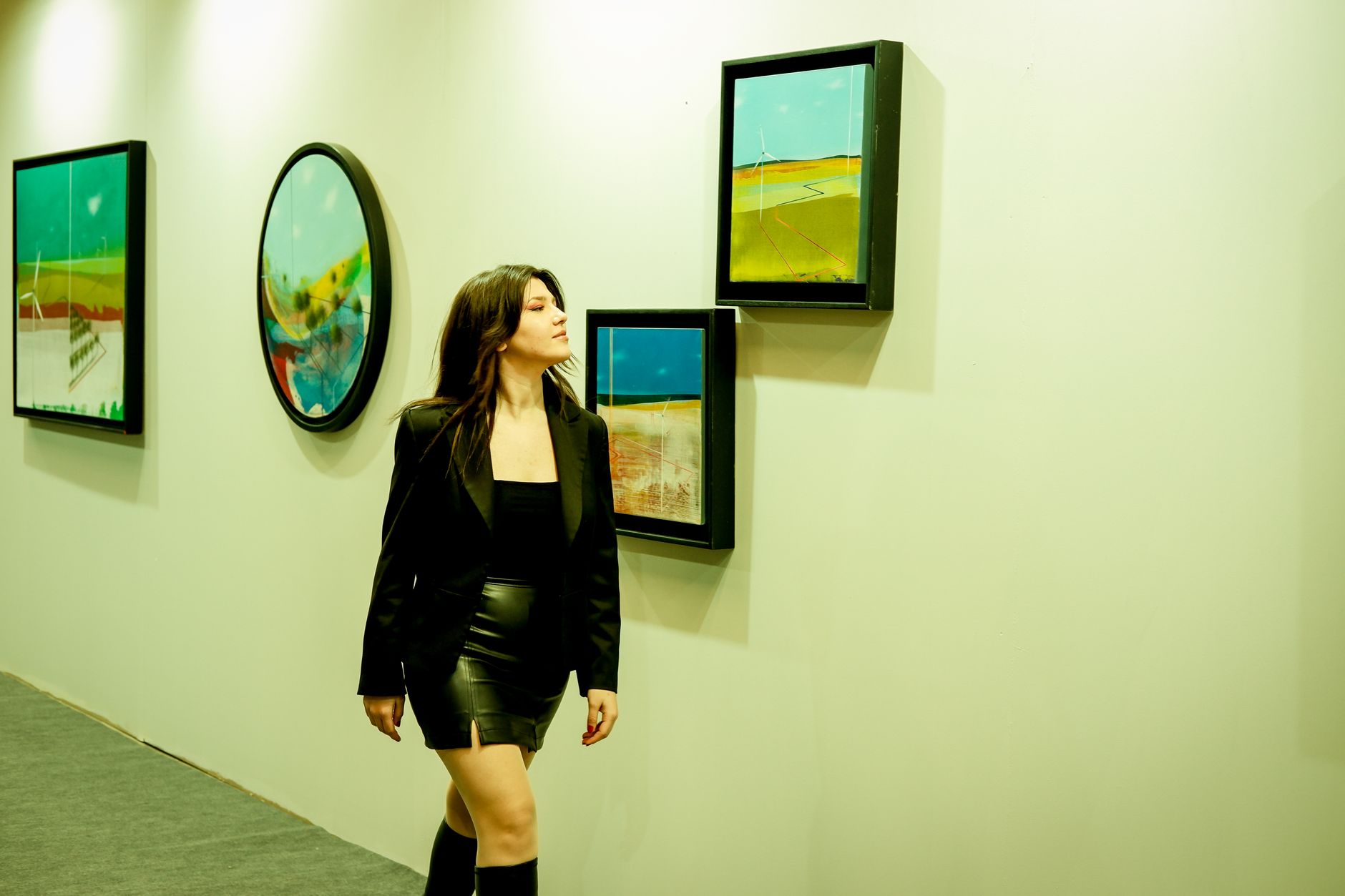
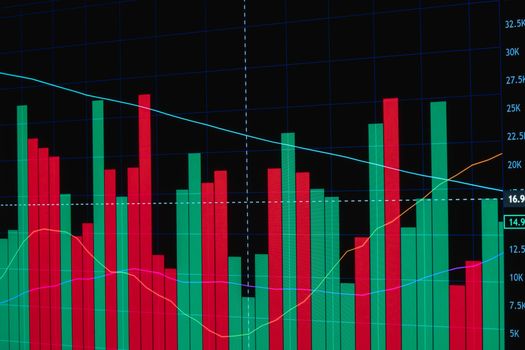 Photo: Rafael Minguet Delgado / Pexels
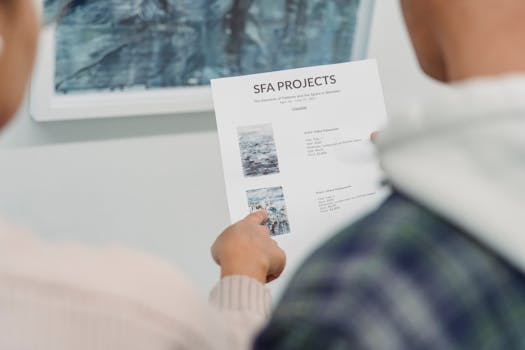 Photo: Greta Hoffman / Pexels
 Photo: Serhii Barkanov / Pexels
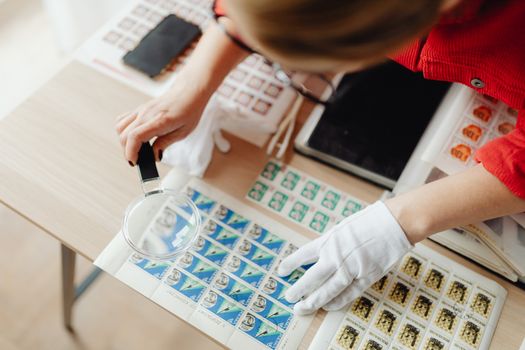 Photo: https://kaboompics.com/ / Pexels