Unleash Creativity: Art Workshops for Kids Summer
art workshops for kids summer

Unleash Creativity: Art Workshops for Kids Summer

Ignite your child's imagination and artistic potential with unforgettable summer art experiences tailored for all ages and skill levels.

Find a Workshop Near You

Key Takeaways

  • ✓ Summer art workshops boost creativity, problem-solving, and fine motor skills.
  • ✓ Programs cater to diverse age groups, from preschoolers to teens, with varied art forms.
  • ✓ Many workshops offer flexible scheduling, including half-day, full-day, and weekly options.
  • ✓ Beyond art, children develop social skills, confidence, and a sense of accomplishment.

How It Works

1
Explore Local Offerings

Begin by researching art centers, museums, community organizations, and private studios in your area that host summer programs. Websites and local parenting groups are great resources.

2
Match Interests & Age

Consider your child's age, artistic interests (e.g., painting, sculpture, digital art), and skill level. Look for workshops that align with their passions to ensure maximum engagement.

3
Review Curriculum & Instructors

Examine the workshop's daily schedule, the types of projects offered, and the qualifications of the instructors. A well-rounded curriculum led by experienced artists is key.

4
Register & Prepare

Once you've found the perfect fit, complete the registration process, noting deadlines and any required materials. Prepare your child for a fun and enriching creative adventure!

Why Summer Art Programs are Essential for Youth Development
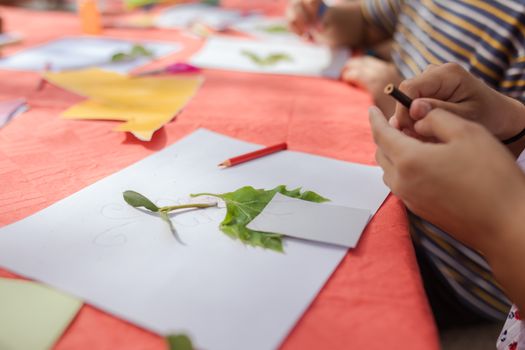
Children engaging in a creative art activity, making leaf art during summer camp. Photo: RDNE Stock project / Pexels
The summer months offer a unique window of opportunity for children to explore new interests and develop critical skills outside the traditional academic setting. While many parents focus on academic enrichment or sports, the profound benefits of engaging in creative pursuits, particularly through dedicated art workshops, are often underestimated. Art workshops for kids summer provide a dynamic environment where young minds can flourish, fostering growth that extends far beyond the canvas or clay. One of the most significant advantages is the cultivation of creativity. In a world increasingly driven by innovation, the ability to think imaginatively and approach problems with novel solutions is paramount. Art workshops encourage children to experiment, make choices, and express themselves without rigid boundaries. They learn that there isn't always a single 'right' answer, which nurtures flexible thinking and resilience. This creative freedom is a stark contrast to many school subjects, offering a vital balance to their educational journey. Moreover, engaging in various art forms, from painting and drawing to sculpture and mixed media, helps children develop fine motor skills and hand-eye coordination. These foundational physical skills are crucial for tasks ranging from writing to playing musical instruments, impacting their overall physical development. Beyond individual skill development, art workshops are powerful tools for building self-esteem and confidence. Completing an art project, whether it's a vibrant watercolor or a carefully constructed ceramic piece, gives children a tangible sense of accomplishment. They see the direct result of their effort and imagination, which boosts their self-worth. Presenting their artwork to peers or family members further reinforces this positive feedback loop, encouraging them to take risks and embrace new challenges. The process of creating art also teaches patience and perseverance. Some projects require multiple steps and extended periods of focus, helping children learn to stay committed to a task and work through difficulties. These are invaluable life skills that translate into academic success and personal well-being. Furthermore, summer art programs often incorporate a social element. Children work alongside peers, sharing ideas, offering constructive criticism, and collaborating on group projects. This fosters social skills, communication, and empathy as they learn to appreciate diverse perspectives and artistic styles. For children who might be shyer or struggle in highly competitive environments, art workshops can provide a safe and supportive space to connect with others who share similar interests. It's an opportunity to form new friendships based on shared creative exploration rather than performance metrics. The structured yet playful atmosphere of these workshops ensures that learning is fun and engaging, preventing the 'summer slide' by keeping their minds active and stimulated. By investing in arts education during the summer, parents are not just filling time; they are investing in their child's holistic development, equipping them with a toolkit of skills that will serve them well throughout their lives.

Choosing the Right Art Workshop: A Parent's Guide
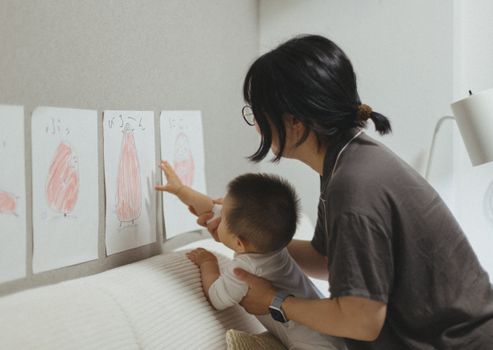
A mother and child engage in a learning activity, exploring art drawings in a cozy indoor setting. Photo: Gu Ko / Pexels
Selecting the perfect art workshop for your child can feel overwhelming with the myriad of options available. However, by considering a few key factors, you can ensure a rewarding and enriching experience that truly matches your child's needs and interests. The first step is to consider your child's age and developmental stage. Workshops are typically segmented by age groups – preschoolers (3-5), elementary school age (6-10), and pre-teens/teens (11-16+). Each age group requires a different approach to instruction, project complexity, and duration. For younger children, shorter sessions with a focus on sensory exploration and imaginative play are often best. Older children and teens may benefit from longer, more intensive programs that delve into specific techniques or mediums. Next, think about your child's specific artistic interests. Do they love to draw superheroes, paint landscapes, sculpt with clay, or experiment with digital art? Many workshops specialize in particular mediums or themes. Some might offer a broad introduction to various art forms, while others focus intensely on, say, pottery, animation, or comic book creation. Tailoring the workshop to their existing passions will significantly increase their engagement and enjoyment. Don't be afraid to ask for a curriculum outline or a list of projects they'll be working on. A good program will have a clear structure while still allowing for individual expression. The qualifications and teaching style of the instructors are also paramount. Look for workshops led by experienced artists who also have a passion for teaching children. An instructor who can inspire, encourage, and guide young artists is invaluable. Inquire about class sizes; smaller groups often allow for more individualized attention and personalized feedback, which can be particularly beneficial for children who are just starting out or those who thrive with more direct guidance. Larger classes might be more appropriate for independent learners or those who enjoy a bustling, collaborative environment. Logistics such as location, schedule, and cost are practical considerations that can't be overlooked. Find a workshop that is conveniently located and offers a schedule (half-day, full-day, weekly) that fits your family's summer plans. Compare costs, but remember that the cheapest option isn't always the best value. Consider what's included in the price – materials, snacks, field trips, or a final art show – as these can add significant value. Reading reviews from other parents and, if possible, visiting the facility or speaking with the organizers can provide valuable insights into the program's quality and atmosphere. Some centers even offer open house events where you can meet instructors and see student work. By carefully evaluating these aspects, you can confidently choose an art workshop that provides a stimulating, supportive, and truly memorable summer experience for your child.

Diverse Artistic Mediums Explored in Summer Camps

Close-up of an artist's messy palette with vibrant paint tubes on wooden surface. Photo: Mikhail Nilov / Pexels
One of the most exciting aspects of summer art workshops is the incredible diversity of artistic mediums and techniques that children can explore. Unlike the often-limited art curricula in schools, these dedicated programs allow for deep dives into specific areas or broad surveys of many different forms, catering to every child's curiosity and burgeoning talent. For many, traditional visual arts are the first thought. Painting workshops might introduce children to watercolors, acrylics, or even oils, teaching them color theory, brush techniques, and composition. Drawing classes can cover everything from charcoal sketching and pastel work to comic book illustration and anime art, helping children master line, form, and perspective. These foundational skills are crucial, building a strong base for future artistic endeavors. Beyond two-dimensional work, sculpture and ceramics offer a tactile and three-dimensional experience that many children adore. Working with clay, plaster, or even found objects, kids learn about form, texture, and structural integrity. Pottery wheels can be particularly captivating, introducing them to the ancient craft of ceramics and the satisfaction of creating functional or decorative pieces. These activities are excellent for developing spatial reasoning and problem-solving skills, as children must think about how objects exist in three dimensions. Mixed media workshops are another popular choice, encouraging children to combine various materials like paint, paper, fabric, and natural elements. This approach fosters boundless creativity and teaches them to see potential art in everyday objects, breaking down conventional artistic barriers. In an increasingly digital world, many art workshops are now incorporating digital art and media. Children can learn graphic design, digital painting, animation, or even basic video game art creation using software and tablets. These programs not only teach artistic principles but also introduce valuable technological skills that are highly relevant in today's society. Photography workshops might teach composition, lighting, and basic editing, encouraging children to see the world through a new lens and capture moments creatively. Some camps even delve into fiber arts, such as weaving, tie-dyeing, or textile design, allowing children to work with different textures and patterns to create wearable art or decorative pieces. The beauty of these diverse offerings is that they cater to different learning styles and interests. A child who might not enjoy traditional painting could thrive in a digital animation class, or one who struggles with drawing might discover a passion for sculpture. The goal is to provide a rich tapestry of experiences that spark joy and ignite a lifelong love for the arts, ensuring every child finds their unique creative voice and medium. This exposure to a wide array of art forms helps children understand the vastness of the creative world and the endless possibilities for expression.

Maximizing the Benefits: Tips for a Great Summer Art Experience

Young students painting in a classroom with teacher overseeing their work, promoting creativity. Photo: Anastasia Shuraeva / Pexels
To ensure your child gets the most out of their art workshops for kids summer, a little preparation and follow-up can go a long way. Here are some tips for parents: * **Prepare for Messes (and Embrace Them!):** Art is often messy, especially for kids. Send your child in old clothes that can get paint or clay on them. Some workshops provide smocks, but it's always better to be safe. Reassure your child that making a mess is part of the creative process and encourages experimentation. * **Encourage Open-Mindedness:** Remind your child that art is about personal expression, not perfection. Encourage them to try new techniques, work with unfamiliar materials, and not be afraid to make 'mistakes' – often, these lead to unexpected and wonderful discoveries. * **Discuss Their Day:** At the end of each session, ask your child about what they created, what they learned, and what they enjoyed most. Don't just focus on the final product; inquire about the process, their challenges, and their successes. This reinforces their learning and shows your interest. * **Celebrate Their Art:** Find a special place to display their finished artworks at home. This could be a rotating gallery wall, a designated shelf, or even a digital album. Acknowledging and celebrating their creations boosts their confidence and sense of accomplishment. It shows them that their artistic efforts are valued. * **Provide Continued Opportunities:** The end of a workshop doesn't mean the end of art. Keep art supplies readily available at home, visit local art museums or galleries, and encourage them to continue experimenting. Look for local art fairs or community projects they can participate in. * **Communicate with Instructors:** If your child has specific needs, anxieties, or an exceptional interest in a particular area, communicate this with the workshop instructors. They can often provide tailored support or additional resources. **Common Mistakes to Avoid:** * **Over-scheduling:** Don't pack your child's summer with too many activities. Allow for downtime and unstructured play. An overscheduled child can quickly burn out, making the art workshop feel like another chore instead of a joy. * **Micromanaging Their Art:** Avoid telling your child exactly what to draw or how to paint. Let them lead the creative process. Your role is to provide encouragement and resources, not to dictate their artistic vision. * **Comparing Their Work:** Every child's artistic journey is unique. Resist the urge to compare your child's artwork to that of their peers or even to your own expectations. Focus on their individual growth and effort. * **Ignoring Their Feedback:** If your child expresses disinterest or discomfort with a particular workshop, listen to them. It might not be the right fit, and there are always other options available. Their enjoyment is key to a positive experience.

Comparison

FeatureBest OptionAlternative 1Alternative 2
FocusVariety of MediumsSpecialized TechniqueGeneral Crafting
Instructor ExperienceProfessional Artist/EducatorArt Student/HobbyistVolunteer
Class SizeSmall (8-12 students)Medium (15-20 students)Large (20+ students)
Cost (per week)$250 - $450$150 - $250$50 - $150
Materials Included✓ (basic)
Age RangeSpecific groups (e.g., 6-8, 9-12)Broad (e.g., 6-12)Very broad (e.g., all ages)
Portfolio Development

What Readers Say

"My daughter attended the 'Fantasy Creatures' art workshop this summer and absolutely loved it! She came home buzzing with ideas every day and created pieces I wouldn't have thought possible. The instructors were so encouraging and really helped her find her unique artistic voice."

Sarah J. · Austin, TX

"We signed our son up for a clay sculpting workshop, and it was the highlight of his summer. He's usually quite shy, but the supportive environment helped him open up. He proudly displayed all his ceramic creations, and his confidence soared."

Mark D. · Seattle, WA

"The 'Digital Art & Animation' workshop transformed my son's screen time into creative learning. He learned so much about graphic design principles and even made a short animated clip by the end of the week. It was a fantastic investment in his future skills."

Jessica L. · Miami, FL

"The 'Mixed Media Explorers' workshop was good, though my daughter wished there was a bit more outdoor art time. She still enjoyed the variety of materials and the final art show was a nice touch. Overall, a positive experience for her first art camp."

Emily R. · Denver, CO

"As a working parent, finding engaging and safe summer activities is key. The full-day art workshops for kids this summer offered exactly that. My daughter not only learned new painting techniques but also made some great new friends."

David K. · Boston, MA

Frequently Asked Questions

What age groups are typically catered to in art workshops for kids summer?

Art workshops during the summer often cater to a wide range of age groups, from preschoolers (3-5 years old) to elementary school-aged children (6-10 years old), and pre-teens/teens (11-16+ years old). Programs are carefully designed to match the developmental stage and attention span of each group, ensuring age-appropriate projects and instruction.

My child says they're 'not good at art.' Should I still enroll them?

Absolutely! Many children feel this way, but art workshops are precisely for building confidence and skill. The focus is on the process of creation and self-expression, not just the final product. A supportive instructor can help your child discover their unique talents and overcome self-doubt, fostering a love for art they didn't know they had.

How do I find reputable art workshops for kids near me?

Start by checking with local community art centers, museums, and recreation departments. Many private art studios also offer summer programs. Online searches using terms like 'kids art camp [your city/state]' or 'summer art classes for children' are effective. Don't forget to read reviews and ask for recommendations from other parents.

What is the typical cost range for summer art workshops?

The cost can vary significantly based on location, duration (half-day vs. full-day, weekly), materials included, and the reputation of the institution. Generally, you can expect to pay anywhere from $150 to $450 per week for a quality program. Some organizations offer scholarships or sibling discounts, so it's worth inquiring.

Are art workshops better than general summer camps for creative development?

While general summer camps offer a variety of activities, art workshops provide a specialized, immersive environment focused solely on artistic exploration. This allows for deeper learning, more advanced techniques, and dedicated time with professional art instructors. For children with a strong interest in art, a specialized workshop will typically offer a richer and more focused creative development experience.

Who should consider enrolling their child in summer art workshops?

Summer art workshops are ideal for any child who shows an interest in creative expression, enjoys hands-on activities, or could benefit from developing fine motor skills, problem-solving abilities, and self-confidence. They are also excellent for children looking for a non-competitive, supportive environment to explore new interests outside of academics or sports.

What safety measures are typically in place at art workshops?

Reputable art workshops prioritize safety. This typically includes maintaining appropriate staff-to-student ratios, ensuring instructors are background-checked, providing a safe and clean environment, and using non-toxic art materials. Many also have first-aid certified staff on site. It's always a good idea to inquire about specific safety protocols when enrolling.

What new trends are emerging in art workshops for kids?

Beyond traditional mediums, emerging trends include digital art and animation, eco-art (using natural and recycled materials), street art and mural design, and interdisciplinary workshops that combine art with science (STEAM) or storytelling. There's also a growing focus on mindfulness and art therapy techniques to promote emotional well-being through creative expression.

Give your child the gift of creativity this summer. Explore the incredible world of art workshops for kids summer and watch their imagination, skills, and confidence flourish. Enroll today and set them on a path to a lifelong love of art and self-expression!

Topics: art workshops for kids summerchildren's art campssummer art programs USkids creative activitiesyouth art classes
Leo List
Brampton weed
Adultwork EstrelaBet Vai de Bet R7 Bet Betão Galera Bet Rainbet Bet9ja Shop SportyBet BetKing Sisal Loto Foot Hollywoodbets YesPlay Odibets RushBet Jugabet BetWarrior BetCity MSport betPawa Fortebet