Avoiding Scams: Free Chat Safety Tips for Artists Online
free chat safety tips

Avoiding Scams: Free Chat Safety Tips for Artists Online

Master online safety in free chat platforms to protect your art and identity from scammers and malicious actors.

Stay Safe Now

Key Takeaways

  • ✓ Scammers often target artists, exploiting passion for art and desire for exposure.
  • ✓ Free chat platforms, while convenient, can be breeding grounds for various types of scams.
  • ✓ Verifying identities and intentions is crucial before engaging in deep conversations or transactions.
  • ✓ Never share sensitive personal or financial information in free chat environments.

How It Works

1
Understand Common Scams

Familiarize yourself with typical scam tactics like fake commissions, prize notifications, or 'investment' opportunities. Knowing their playbook is your first line of defense.

2
Vet Your Contacts

Before engaging, do a quick background check on anyone initiating contact. Look for inconsistencies in their profile, activity, or online presence.

3
Protect Personal Information

Be extremely cautious about sharing details like your address, phone number, or banking information. Limit what you disclose, even if it seems innocuous.

4
Report and Block

If you encounter suspicious behavior, immediately report the user to the platform administrators and block them. This protects you and helps others.

Understanding the Digital Landscape: Why Artists Are Targets

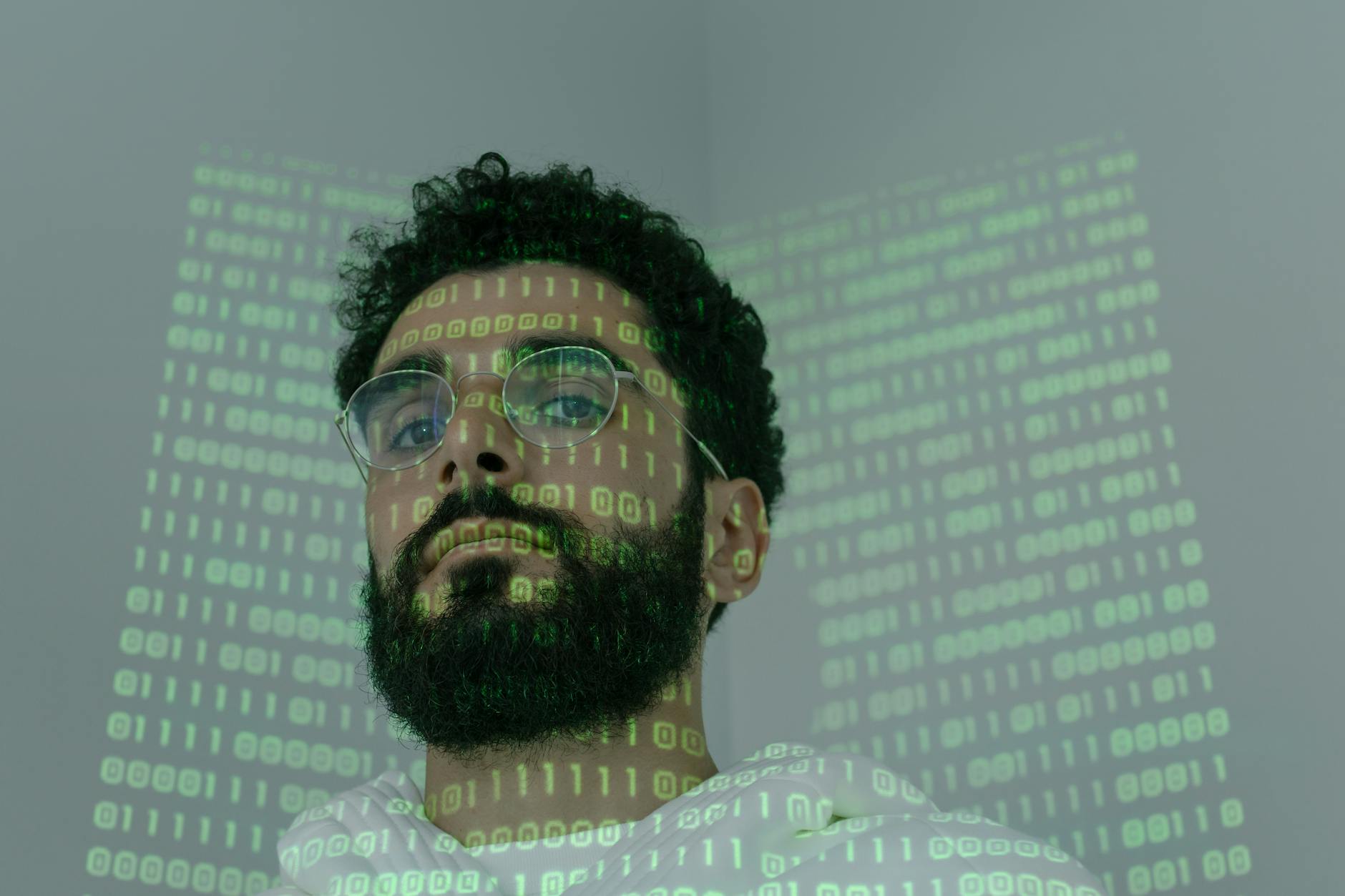
A family stands in digital blue light, symbolizing online privacy and security. Photo: Ron Lach / Pexels
The digital age has opened unprecedented avenues for artists to showcase their work, connect with a global audience, and even monetize their creations. From bustling online galleries to niche forums and social media groups, free chat platforms have become indispensable tools for networking, collaboration, and discovery. However, this vibrant digital ecosystem also presents a fertile ground for malicious actors looking to exploit the passion, creativity, and often, the financial vulnerability of artists. Understanding 'Avoiding Scams: Free Chat Safety Tips' is not just a recommendation; it's a necessity for thriving in this environment. Artists, by nature, often operate with a degree of openness and trust, eager to share their work and engage with admirers or potential clients. This very openness can be weaponized by scammers. They prey on the desire for exposure, the hope for a big break, or the need for financial stability. Scams can range from fake commission requests and fraudulent art investment schemes to phishing attempts designed to steal personal information or intellectual property. The promise of a major gallery show, an exclusive collaboration, or an irresistible purchase offer can be incredibly enticing, clouding judgment and making artists susceptible to elaborate hoaxes. These scams are not just about monetary loss; they can lead to emotional distress, wasted time, and even damage to an artist's reputation. Moreover, the ephemeral nature of online interactions in free chat platforms can make it difficult to trace scammers, adding to the challenge of seeking recourse. It's crucial for artists to adopt a proactive mindset towards online safety, recognizing that the digital realm, while full of opportunities, also harbors significant risks. Learning to identify red flags and employing robust safety measures will allow artists to navigate these spaces with confidence and continue to create without fear. The goal is not to instill paranoia, but to empower artists with the knowledge and tools to protect themselves, their work, and their livelihoods in an increasingly complex digital world. This foundational understanding sets the stage for delving into specific strategies and advanced digital security for artists. Protecting your creative output and personal information should be as integral to your artistic practice as selecting your medium or refining your technique. The digital canvas is vast, but it requires a careful hand to avoid pitfalls.

Common Scams Targeting Artists on Free Chat Platforms

To effectively implement 'Avoiding Scams: Free Chat Safety Tips', artists must first be intimately familiar with the types of scams they might encounter. Scammers are constantly evolving their tactics, but several core methods remain prevalent, often disguised with new twists. One of the most common is the 'Fake Commission' scam. An individual, often claiming to be a collector, gallerist, or even a representative from a reputable institution, will contact an artist through a free chat platform, expressing immense admiration for their work and offering a substantial commission. They might send a seemingly legitimate contract or request an unusually large advance, only to later 'accidentally' overpay and ask for a refund of the excess, which is often the only real money involved, sent from a fraudulent account. The artist ends up out of pocket, and the original payment bounces. Another pervasive scam involves 'Copyright Infringement' notifications. Artists might receive messages, often with urgent undertones, claiming their work has been stolen or misused. These messages typically contain malicious links, purporting to lead to evidence of the infringement, but in reality, they are phishing attempts designed to steal login credentials or install malware. Similarly, 'Art Investment' scams promise artists lucrative returns if they invest in a particular online gallery or platform, which inevitably turns out to be a sham. These often come with elaborate presentations and testimonials, but the promise of high returns with little risk is a classic red flag. Then there are 'Prize and Grant' scams. Artists are notified via chat that they have won a prestigious award or grant, often for a competition they don't recall entering. To claim the prize, they are asked to pay an 'administrative fee,' 'tax,' or 'processing charge.' Of course, no prize exists, and the fee goes directly into the scammer's pocket. Finally, 'Phishing for Personal Information' is a broad category where scammers attempt to extract sensitive data under various pretexts – perhaps needing details for a 'shipping agent' or for 'artist verification.' This information can then be used for identity theft or other fraudulent activities. Recognizing these patterns is the first and most critical step in safeguarding your artistic journey and personal integrity online. Always be skeptical of unsolicited offers that seem too good to be true, and remember that legitimate opportunities rarely come with demands for upfront payments or urgent requests for sensitive information.

See also: monkey-app.net.

Essential Strategies for Online Safety and Identity Protection

Implementing robust 'Avoiding Scams: Free Chat Safety Tips' goes beyond merely recognizing threats; it involves adopting proactive strategies to protect your digital identity and creative assets. The cornerstone of online safety is skepticism. Approach every unsolicited contact with a healthy dose of doubt, especially if it involves financial transactions, personal information, or urgent demands. Always verify the identity of individuals or organizations before engaging. Do a quick search of their name, company, and email address. Look for inconsistencies in their online presence, such as newly created social media profiles with few followers, generic profile pictures, or a lack of professional history. Legitimate individuals and businesses will usually have an established and consistent online footprint. Never share sensitive personal or financial information in free chat platforms. This includes your full home address, phone number, bank account details, social security number, or even intimate details about your daily routine. If a legitimate transaction requires such information, it should be conducted through secure, encrypted channels, not a casual chat. Be wary of links sent in chat. Malicious links can lead to phishing sites, download malware, or trick you into giving away credentials. If you receive a link, hover over it to see the URL before clicking, or better yet, type the legitimate website address directly into your browser. It's also wise to use strong, unique passwords for all your online accounts and enable two-factor authentication (2FA) wherever possible. This adds an extra layer of security, making it significantly harder for unauthorized individuals to access your accounts even if they manage to steal your password. For artists, protecting intellectual property is paramount. Be cautious about sharing high-resolution images of your work or detailed conceptual descriptions with unverified contacts. While showcasing your art is essential, consider watermarking images or sharing lower-resolution versions in initial conversations. If a collaboration or commission moves forward, ensure a legally sound contract is in place before sharing proprietary information. Platforms like online art communities often have built-in safety features and community guidelines; familiarize yourself with these and utilize them. Finally, cultivate a network of trusted peers. Share experiences, ask for advice, and report suspicious activities. A collective awareness strengthens the entire artistic community against digital threats. By diligently applying these strategies, artists can confidently navigate the digital landscape, focusing on their creative endeavors rather than constant worry.

Advanced Protection Techniques and What to Avoid

Beyond the fundamental 'Avoiding Scams: Free Chat Safety Tips', artists can adopt several advanced protection techniques to fortify their defenses. One critical aspect is understanding the psychology of scammers. They often leverage urgency, flattery, and appealing offers to bypass rational thought. Recognize these emotional triggers and pause before responding. If something feels off, trust your gut instinct. Always conduct due diligence, even for seemingly legitimate opportunities. For example, if a gallerist contacts you, verify their identity by contacting the gallery directly through their official website's contact information, not through links or emails provided by the supposed gallerist in chat. Another advanced technique involves utilizing virtual private networks (VPNs) when accessing free chat platforms, especially on public Wi-Fi. A VPN encrypts your internet connection, making it much harder for third parties to intercept your data. Similarly, consider using a dedicated email address for online interactions related to your art, separate from your primary personal or business email. This creates a buffer, limiting exposure if one account is compromised. Regularly back up your digital art and important documents to cloud storage or external drives. This mitigates the impact of ransomware attacks or data loss. **What to Absolutely Avoid:** * **Never click on suspicious links:** Especially those disguised as tracking information, invoices, or copyright infringement notices. * **Never share your login credentials:** No legitimate platform or person will ever ask for your password via chat. * **Never send money to claim a prize or grant:** Legitimate awards do not require upfront payments. * **Avoid 'overpayment' scams:** If someone sends you more money than agreed upon and asks for a refund, it's almost certainly a scam. The original payment will eventually bounce. * **Be wary of 'urgent' requests:** Scammers often create a sense of urgency to pressure you into making hasty decisions. * **Do not engage with 'secret shopper' or 'mystery client' scams:** These often involve fake checks and requests to wire money. * **Avoid sharing personal vulnerabilities:** Scammers often exploit personal information or emotional distress. Keep interactions professional and focused on art-related topics. By integrating these advanced techniques and strictly avoiding known pitfalls, artists can create a robust shield against the myriad of online threats. Staying informed and continuously updating your security practices is an ongoing commitment essential for a safe and prosperous artistic career in the digital age.

Comparison

FeatureSecure PracticesRisky BehaviorsScammer Tactics
Identity VerificationCross-reference online presenceTrusting profile pictures aloneFake profiles, stolen images
Information SharingLimit to public art-related detailsGiving out home address, bank infoPhishing for personal data
Financial TransactionsUse secure platforms, verified contractsUpfront payments for prizes, overpaymentsFake checks, 'accidental' overpayments
Link InteractionVerify URLs, type directlyClicking unknown links blindlyMalicious links, phishing sites

What Readers Say

"This guide on Avoiding Scams: Free Chat Safety Tips was incredibly eye-opening. I almost fell for a fake commission scam last month, but the detailed examples here helped me recognize the red flags before I lost any money. Highly recommend for any artist online."

Sophia Rodriguez · Austin, TX

"As a digital artist, I'm constantly on chat platforms. These safety tips are practical and easy to implement. It’s comforting to know what to look out for, especially the section on intellectual property protection."

David Chen · Seattle, WA

"After reading this, I revamped my online security protocols for my art business. I've already identified two suspicious contacts that I would have previously engaged with. This guide genuinely saved me potential headaches and financial loss."

Elena Petrova · Miami, FL

"Good information, though some of it felt like common sense. However, the specific examples of art-related scams were very helpful and unique to my niche. It's a solid resource for keeping safe online."

Marcus Thorne · Portland, OR

"I'm a young artist just starting out, and the internet can be overwhelming. This article on Avoiding Scams: Free Chat Safety Tips broke down complex security concepts into understandable steps. I feel much more confident engaging with people online now."

Chloe Kim · New York, NY

Frequently Asked Questions

What is the most common scam targeting artists on free chat platforms?

The most prevalent scam targeting artists is the 'Fake Commission' scam. Scammers pose as buyers or gallerists, offer large sums for custom artwork, and then use overpayment schemes or fraudulent checks to trick artists into sending them money.

Is it safe to share my portfolio link in free chat?

Sharing a link to your professional portfolio is generally safe, as long as it leads to a reputable, secure website (like your own artist website or a trusted art platform). Be cautious if the link leads to a site that asks for login credentials or seems suspicious.

How can I verify if a potential client is legitimate?

To verify a client, research their name and company online, check for a consistent professional presence, and look for reviews or previous collaborations. If they claim to represent a gallery, contact the gallery directly using information from their official website, not what the client provides.

What should I do if I suspect I've been scammed?

If you suspect a scam, immediately stop all communication with the individual. Do not send any more money or information. Report the scammer to the chat platform administrators, and if you've lost money, contact your bank and local law enforcement.

How does 'Avoiding Scams: Free Chat Safety Tips' compare to general online safety advice?

'Avoiding Scams: Free Chat Safety Tips' is tailored specifically for artists, addressing unique vulnerabilities like intellectual property theft, fake commissions, and art investment scams, while building upon general online safety principles. It focuses on scenarios relevant to the artistic community.

Who should use Avoiding Scams: Free Chat Safety Tips?

Every artist, regardless of their medium or experience level, who engages with others on free chat platforms for networking, sales, collaborations, or general community interaction, should utilize these safety tips to protect their art and personal information.

Is using a VPN necessary for free chat safety?

While not strictly necessary for every interaction, using a VPN significantly enhances your free chat safety, especially when on public Wi-Fi. It encrypts your data, making it harder for others to snoop on your conversations or steal sensitive information.

What future trends in online scams should artists be aware of?

Artists should be aware of emerging scams involving AI-generated art, deepfake technology for impersonation, and increasingly sophisticated phishing attempts that mimic legitimate platforms or institutions. Continuous education on new scam tactics is key.

By adopting these comprehensive 'Avoiding Scams: Free Chat Safety Tips', artists can confidently navigate the digital art world, protecting their creations, finances, and personal well-being. Empower yourself with knowledge and vigilance to ensure your online artistic journey remains both productive and secure.

Topics: free chat safety tipsonline art scamsartist online securitydigital art safetychat platform safety
Leo List
Brampton weed
Adultwork