
Beginner's Guide: When to Use Bisous for Artistic Expression
Discover the nuanced art of 'Bisous' to infuse your creations with profound emotion and connection.
Start Your Bisous JourneyKey Takeaways
- ✓ Bisous, meaning 'kisses' in French, refers to a technique in art that conveys intimacy, affection, or a gentle touch.
- ✓ It's not limited to literal kisses; it can symbolize connection, tenderness, or a soft interaction.
- ✓ Often employed in portraiture, figurative art, and abstract pieces to evoke emotional depth.
- ✓ Mastering Bisous involves understanding nuance in color, texture, and composition.
How It Works
Before applying Bisous, identify the specific emotion or connection you wish to convey. This emotional clarity will guide your artistic choices, making your 'kiss' more impactful and authentic.
Different mediums lend themselves to Bisous in unique ways. Oil paints offer blendability for soft transitions, while pastels can create a delicate, hazy effect. Select a medium that aligns with the desired subtlety or intensity of your 'kiss'.
The essence of Bisous is often in its tenderness. Employ techniques like sfumato, glazing, or impasto with a light hand to create areas that feel gentle, diffused, or subtly intermingled, mirroring the softness of a kiss.
The surrounding elements of your artwork should support the 'Bisous' moment. Use composition to draw the viewer's eye to the area of intimacy, perhaps through leading lines or focal points, ensuring the emotional message is clear.
Unveiling the Essence of Bisous in Art
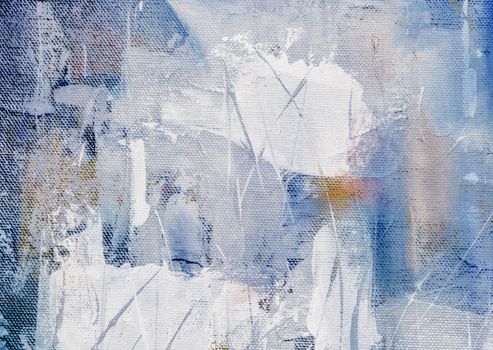 Photo: Steve A Johnson / Pexels
Identifying Opportunities for Tender Expression
Our partners at meeticfr.com offer related services.
Techniques for Infusing Your Art with Bisous
Common Pitfalls and Pro Tips for Authentic Bisous
Comparison
| Aspect | Bisous Approach | Traditional Depiction (Literal Kiss) | Abstract Expressionism |
|---|---|---|---|
| Focus | Emotional connection, tenderness, implied intimacy | Physical act of lips meeting, direct contact | Raw emotion, subjective experience, non-representational |
| Technique | Soft blending, subtle colors, diffused light, gentle textures | Clear lines, defined forms, direct portrayal of figures | Bold strokes, vibrant colors, gestural marks, varied textures |
| Impact | Evokes empathy, warmth, quiet reflection, subtle depth | Direct narrative, immediate recognition, specific event | Provokes thought, visceral reaction, interpretation |
| Versatility | ✓ (Figurative, landscape, abstract, still life) | ✗ (Primarily figurative) | ✓ (Broad range of non-objective art) |
What Readers Say
"This guide completely transformed my understanding of emotional art. Before, my 'intimate' pieces felt forced; now, with Bisous, they whisper profound connection."
Eleanor Vance · Portland, OR"I always struggled to convey tenderness without being cliché. This article's breakdown of sfumato and color temperature for Bisous was a game-changer for my portraiture."
Marcus Chen · Austin, TX"Applying the Bisous concept to my abstract work has given it a new layer of depth. My viewers now consistently comment on the 'gentle energy' in my paintings, which is exactly what I aimed for."
Sophie Dubois · New Orleans, LA"While I appreciate the depth, some abstract examples could have been clearer for a true beginner. However, the practical tips on blending and light are incredibly valuable and have significantly improved my technique."
David Rodriguez · Chicago, IL"As a sculptor, I initially thought 'Bisous' was only for painters. But the sections on texture and intertwined forms opened my eyes to how I can imbue my clay figures with a new level of emotional intimacy and warmth."
Lena Petrova · Seattle, WAFrequently Asked Questions
What exactly does 'Bisous' mean in an artistic context?
In art, 'Bisous' (French for 'kisses') refers to a technique or approach that conveys intimacy, tenderness, affection, or a gentle connection, often through subtle visual cues rather than explicit depiction. It's about evoking the *feeling* of a soft touch or emotional bond, making the art more evocative and deeply resonant.
Is 'Bisous' only applicable to figurative art or portraits?
'Bisous' is remarkably versatile and can be applied across various art forms, including landscape, still life, and even abstract art. While often prominent in figurative work to show human connection, it can also manifest as the gentle interaction of light on a surface, the harmonious blending of colors, or the soft texture of a material in any genre, conveying a universal sense of tenderness.
How can I practice conveying 'Bisous' if I'm new to art?
Start by focusing on observational drawing of gentle interactions – how light falls softly on objects, how fabrics drape, or the subtle expressions of people in repose. Experiment with soft blending techniques in your chosen medium, paying close attention to gradual transitions in color and value. Practice creating compositions that draw elements together gently, rather than abruptly.
Does incorporating 'Bisous' make my art more valuable?
While 'value' in art is subjective, infusing your work with the emotional depth and subtlety of 'Bisous' can significantly enhance its artistic merit and connection with viewers. Art that evokes genuine emotion often resonates more profoundly, leading to greater appreciation and, potentially, higher perceived value. It's about enriching the artistic experience rather than just monetary worth.
How does 'Bisous' differ from simply painting a romantic scene?
'Bisous' is a qualitative approach to conveying intimacy, while a 'romantic scene' is a thematic category. A romantic scene might *contain* elements of 'Bisous,' but 'Bisous' itself is about *how* that intimacy is expressed – through tenderness, subtlety, and emotional nuance, rather than necessarily overt romance or explicit gestures. It focuses on the *feeling* rather than just the narrative.
Who should learn to use the 'Bisous' technique in their art?
Anyone looking to infuse their artwork with deeper emotional resonance, tenderness, and a sense of gentle connection should explore the 'Bisous' technique. It's particularly beneficial for artists who wish to move beyond literal representation and communicate subtle feelings, whether they work in portraiture, landscape, still life, or abstract forms. It enriches the artist's expressive vocabulary.
Are there any risks to overusing 'Bisous' in my artwork?
Yes, overusing or misapplying 'Bisous' can lead to artwork that feels overly sentimental, saccharine, or lacks impact. Its power lies in its thoughtful and strategic application. If every part of a piece is overly soft or tender, it can lose its emotional contrast and become bland. The key is balance and intentionality, using 'Bisous' to highlight specific moments of connection.
What is the future trend for emotional techniques like 'Bisous'?
The trend in art is increasingly moving towards deeper emotional engagement and authenticity. Techniques like 'Bisous' that prioritize subtle emotional communication and create a sense of connection between the art and the viewer are likely to gain more prominence. As society grapples with digital saturation, art that offers genuine human feeling and intimate moments will become even more valued for its ability to foster empathy and reflection.
Ready to infuse your creations with profound emotion and tender connection? Embrace the 'Beginner's Guide: When to Use Bisous' and transform your artistic expression today. Start your journey into the art of subtle intimacy and make your work truly unforgettable.