✓ Art therapy is a recognized mental health profession.
✓ It does not require artistic talent, focusing on process over product.
✓ Art therapy can be effective for various mental health conditions.
✓ It promotes non-verbal communication and self-discovery.
How It Works
1
Initial Consultation & Assessment
You'll meet with a qualified art therapist to discuss your goals and needs. The therapist will assess your current emotional state and history to tailor a personalized approach.
2
Creative Exploration & Expression
Using various art materials like paint, clay, or collage, you'll engage in guided or free-form creative activities. The focus is on expressing feelings and thoughts without judgment.
3
Reflection & Processing
After creating, you and your therapist will discuss the artwork. This reflection helps to uncover insights, patterns, and meanings, connecting the art to your inner experiences.
4
Integration & Growth
The insights gained are then integrated into your daily life, fostering new coping mechanisms and perspectives. This leads to lasting personal growth and improved well-being.
Understanding the Foundation of Art Therapy for Adult Well-being
Photo: ROMAN ODINTSOV / Pexels
In an increasingly complex and demanding world, adults often seek effective avenues for stress reduction, emotional processing, and personal growth. While traditional talk therapy has long been the cornerstone of mental health treatment, a growing number of individuals are discovering the profound and multifaceted benefits of art therapy for adults. This unique and powerful modality leverages the creative process of making art to improve physical, mental, and emotional well-being. It's not about creating a masterpiece; it's about the journey of self-discovery and healing that unfolds through artistic expression. Art therapy is a distinct mental health profession that utilizes active art-making, creative process, applied psychological theory, and human experience within a psychotherapeutic relationship. It is facilitated by a credentialed art therapist who guides individuals through a process that can unlock hidden emotions, facilitate non-verbal communication, and provide a safe space for exploration. For many adults, words can often fall short when attempting to articulate deep-seated emotions, past traumas, or complex internal conflicts. Art provides a universal language, a non-threatening medium through which these unspoken narratives can emerge. Whether it's the vibrant chaos of a painting, the tactile sensation of clay, or the symbolic arrangement of a collage, the art piece becomes a tangible representation of the inner world, allowing for a detached yet deeply personal reflection. This process can be particularly liberating for those who find verbal expression challenging due to shyness, trauma, or cognitive limitations. The beauty of art therapy lies in its accessibility. No prior artistic skill or talent is required. The focus is entirely on the process of creation and the insights gained from it, rather than the aesthetic quality of the finished product. This removes a significant barrier for many adults who might otherwise feel intimidated by the idea of 'making art.' The therapist creates an environment of acceptance and non-judgment, encouraging free exploration and experimentation with various materials. This freedom allows adults to tap into their innate creativity, often reconnecting with a playful, uninhibited part of themselves that may have been suppressed by the demands of adulthood. Furthermore, art therapy is highly adaptable. It can be conducted individually, in group settings, or even within families, catering to diverse needs and preferences. The materials used can range from drawing and painting to sculpting, photography, digital art, and more, providing a vast palette of options for self-expression. The versatility of art therapy makes it a powerful tool for addressing a wide spectrum of issues, from managing chronic stress and anxiety to processing grief, trauma, and addiction. It offers a holistic approach to healing, engaging not just the mind, but also the body and spirit, fostering a deeper sense of self-awareness and emotional regulation. This foundational understanding sets the stage for exploring the specific ways art therapy empowers adults to navigate life's challenges and cultivate lasting well-being.
Emotional Processing and Stress Reduction Through Creative Expression
Photo: AI25.Studio AI GENERATIVE / Pexels
One of the most compelling benefits of art therapy for adults is its profound capacity to facilitate emotional processing and significantly reduce stress. In the hustle and bustle of modern life, many adults experience chronic stress, anxiety, and difficulty managing overwhelming emotions. Traditional methods of coping, such as suppression or avoidance, often lead to a build-up of unaddressed feelings, which can manifest as physical symptoms, emotional outbursts, or even more severe mental health conditions. Art therapy offers a healthy and constructive outlet for these emotions. When an individual engages in art-making, they are given a unique opportunity to externalize their inner world. Instead of merely talking about feelings, they are actively shaping them, giving them form, color, and texture. This act of externalization can be incredibly therapeutic. For instance, a person struggling with anger might use aggressive brushstrokes and dark colors to depict their rage, allowing them to release the intensity of the emotion in a safe and controlled environment. Similarly, someone experiencing grief might create a collage that symbolizes their loss, providing a tangible representation of their sorrow that can be acknowledged and processed. This visual representation of emotions can lead to a deeper understanding of one's own feelings. Sometimes, emotions are too complex or abstract to be put into words. Art bypasses the need for verbal articulation, allowing the subconscious to communicate directly through imagery and symbolism. This non-verbal communication can reveal insights that might otherwise remain hidden, providing clarity and fostering self-awareness. The act of creation itself is inherently calming and meditative for many. Focusing on the materials, the colors, and the evolving artwork can draw attention away from stressful thoughts and worries, grounding the individual in the present moment. This mindful engagement can lower heart rate, reduce muscle tension, and activate the parasympathetic nervous system, promoting relaxation and a sense of peace. The sensory experience of working with different art materials – the smell of paint, the feel of clay, the sound of a pencil on paper – can also be deeply soothing and restorative. Moreover, art therapy helps in developing healthier coping mechanisms. Instead of resorting to maladaptive behaviors like substance abuse or emotional eating, individuals learn to channel their stress and negative emotions into creative outlets. This empowers them with a sustainable strategy for managing life's pressures. The completion of an artwork, regardless of its aesthetic appeal, can also instill a sense of accomplishment and self-efficacy, boosting confidence and self-esteem. This positive reinforcement encourages continued engagement in creative expression as a tool for emotional regulation. The therapist's role in this process is crucial. They help individuals interpret their art, asking open-ended questions that encourage deeper reflection and insight. They provide a supportive and non-judgmental space, ensuring that the individual feels safe to explore even the most difficult emotions. Through this guided process, adults learn to identify emotional triggers, understand their reactions, and develop more adaptive ways of responding to life's challenges, ultimately leading to greater emotional resilience and a profound reduction in overall stress levels.
Fostering Self-Discovery, Personal Growth, and Resilience
Photo: https://kaboompics.com/ / Pexels
Beyond immediate emotional processing and stress reduction, the benefits of art therapy for adults extend deeply into fostering self-discovery, personal growth, and enhanced resilience. Many adults reach a point in their lives where they feel disconnected from their authentic selves, burdened by societal expectations, past experiences, or the daily grind. Art therapy offers a unique pathway to reconnect with one's inner world, explore identity, and cultivate a stronger sense of self. Through the creative process, individuals often uncover aspects of themselves they had forgotten or never consciously recognized. The symbols, colors, and forms they choose can reveal unconscious desires, fears, strengths, and aspirations. For example, consistently drawing enclosed spaces might indicate a need for security or a feeling of being trapped, prompting a conversation about boundaries and personal freedom. Conversely, an expansive, colorful landscape could signify a yearning for adventure or a feeling of liberation. The therapist acts as a facilitator, helping to interpret these visual metaphors and connect them to the individual's life experiences, fostering profound insights that lead to greater self-understanding. This journey of self-discovery is a cornerstone of personal growth. As adults gain clarity about their inner landscape, they become better equipped to make conscious choices that align with their true values and goals. This can manifest in various ways, such as finding a new career path, improving relationships, setting healthier boundaries, or pursuing long-dormant passions. Art therapy encourages experimentation and risk-taking within a safe context, which translates into increased confidence and a willingness to explore new possibilities in life. The act of creating something new, even if it feels imperfect, builds a sense of mastery and self-efficacy that empowers individuals to face challenges outside the therapy room. Furthermore, art therapy significantly enhances resilience. Life inevitably presents adversities, and the ability to bounce back from setbacks is crucial for well-being. By engaging in art therapy, adults develop a more robust emotional toolkit. They learn to tolerate ambiguity, embrace imperfection, and find creative solutions to problems, skills that are directly transferable to real-world situations. The process of transforming difficult emotions or experiences into a tangible art piece can be incredibly empowering, demonstrating one's capacity to navigate and even transcend hardship. It provides a sense of agency over one's narrative, allowing individuals to reshape their understanding of past events and envision a more positive future. For adults who have experienced trauma, art therapy provides a non-verbal, non-threatening way to process difficult memories without needing to re-live them explicitly through words. This can be less re-traumatizing and more effective for some individuals. The artwork becomes a container for these experiences, allowing them to be examined from a safe distance. Over time, this helps integrate traumatic memories into a coherent life story, reducing their power and fostering a sense of healing and closure. The transformative power of art lies in its ability to facilitate this deep internal work, leading to sustained personal growth and a remarkable increase in overall resilience, enabling adults to navigate life's complexities with greater strength and authenticity.
Practical Tips for Integrating Art Therapy into Your Adult Life
Photo: Thirdman / Pexels
Integrating the principles and practices of art therapy into your adult life doesn't always require formal sessions, though professional guidance is highly recommended for deeper issues. Here are practical tips to help you harness the benefits of creative expression on your own, along with common pitfalls to avoid:
**Tips for Self-Integration:**
* **Start Small and Simple:** You don't need a dedicated art studio or expensive materials. A simple sketchbook and a set of pencils, crayons, or even just a pen can be enough. The goal is to start expressing yourself, not to create a masterpiece. Try a 15-minute daily doodle session.
* **Focus on the Process, Not the Product:** This is perhaps the most crucial tip. Let go of the need for your art to look 'good.' The value lies in the act of creating, the exploration of materials, and the emotions that emerge during the process. Embrace imperfection.
* **Experiment with Different Materials:** Don't limit yourself to drawing. Try painting, collage, sculpting with clay or playdough, writing poetry, or even mindful coloring. Different materials evoke different feelings and can unlock varied forms of expression. What feels right on one day might not on another.
* **Create a Dedicated Space and Time:** Even if it's just a corner of a table, having a designated space for your creative endeavors can help you get into a mindful state. Schedule a regular time, even if it's just once a week, to make art a consistent part of your routine.
* **Journal Alongside Your Art:** After creating, take a few minutes to write down any thoughts, feelings, or insights that arose during the process or while looking at your finished piece. This helps connect the visual expression to verbal understanding and deepens self-reflection.
* **Explore Guided Prompts:** If you're feeling stuck, look for art therapy prompts online. These can offer a starting point, such as 'Draw how you feel right now,' 'Create an image of your ideal safe space,' or 'Use colors to represent your current stress levels.'
**Common Mistakes to Avoid:**
* **Judging Your Artwork Harshly:** This is the biggest barrier. Criticizing your creations stifles expression and defeats the purpose of art therapy. Remember, it's about expression, not exhibition.
* **Comparing Your Work to Others:** Social media often showcases polished, professional art. Resist the urge to compare your personal, therapeutic creations to those of skilled artists. Your journey is unique.
* **Expecting Immediate Solutions:** Art therapy is a process, not a quick fix. Insights and emotional shifts often happen gradually. Be patient and compassionate with yourself throughout the journey.
* **Using Art as a Distraction Only:** While art can be a wonderful distraction from stress, true art therapy involves reflection and processing. Simply making art without connecting it to your inner world limits its therapeutic potential.
* **Overthinking the Meaning:** Sometimes, art just is. Don't feel pressured to find a deep, profound meaning in every stroke or color. Allow meaning to emerge organically, or simply enjoy the act of creation for its own sake.
* **Neglecting Professional Help When Needed:** While self-guided art exploration is beneficial, it's not a substitute for professional art therapy, especially when dealing with severe trauma, chronic mental health conditions, or persistent emotional distress. A trained art therapist provides expert guidance, a safe therapeutic relationship, and specialized techniques that self-practice cannot replicate. Consider seeking a certified art therapist if you feel overwhelmed or need deeper support.
By embracing these tips and avoiding common pitfalls, adults can effectively integrate the powerful, healing aspects of creative expression into their daily lives, fostering ongoing well-being and personal growth.
Comparison
Feature
Art Therapy
Traditional Talk Therapy
Self-Help Books
Mindfulness Meditation
Primary Medium
Creative Art-Making
Verbal Communication
Reading/Writing
Internal Focus/Breath
Focus
Process & Expression
Cognition & Narrative
Information & Exercises
Present Moment Awareness
Non-Verbal Expression
✓
✗
✗
✗
Requires Artistic Skill
✗
✗
✗
✗
Emotional Release
High
Moderate
Low
Moderate
Self-Discovery Depth
Very High
High
Moderate
High
Professional Guidance
Required
Required
Optional
Optional
What Readers Say
★★★★★
"Art therapy helped me process my grief after losing my mother in a way words never could. I didn't realize how much I was holding in until I started painting. It was truly a transformative experience that brought me so much peace."
Sarah J. · Austin, TX
★★★★★
"As someone who struggles with anxiety, traditional therapy felt too overwhelming at times. Art therapy gave me a gentle, creative outlet to explore my fears and find calm. I've learned so much about myself without even speaking."
Mark D. · Seattle, WA
★★★★★
"After years of feeling stuck, art therapy helped me rediscover my inner strength and creativity. I started a new hobby, felt more confident in my decisions, and even improved my relationship with my children by expressing myself more openly."
Emily R. · Miami, FL
★★★★★
"I was skeptical at first, thinking I had no artistic bone in my body. While it wasn't always easy, the therapist's guidance made me realize the art wasn't about being good, but about finding a voice. It's been a slow but steady path to better emotional understanding."
David K. · Chicago, IL
★★★★★
"Working through past trauma in art therapy was incredibly cathartic. It allowed me to create a visual narrative of my journey, which felt much safer than just talking. I've gained a new perspective and feel more in control of my healing process now."
Jessica L. · Denver, CO
Frequently Asked Questions
What are the primary benefits of art therapy for adults?
The primary benefits include enhanced emotional processing, significant stress and anxiety reduction, improved self-esteem, fostering self-discovery and personal growth, and developing stronger coping mechanisms. It offers a non-verbal outlet for complex feelings and experiences, leading to greater self-awareness and resilience.
Do I need to be artistic or have any talent to benefit from art therapy?
Absolutely not. Art therapy emphasizes the creative process and expression over artistic skill or talent. The focus is on what you create and the insights gained, not on producing a 'good' piece of art. Everyone can benefit, regardless of their artistic background.
How do I find a qualified art therapist?
To find a qualified art therapist, look for individuals credentialed by the American Art Therapy Association (AATA). You can search their directory for registered (ATR) or board-certified (ATR-BC) therapists in your area. Ensure they have appropriate licenses for mental health practice in your state.
Is art therapy covered by insurance, and what is the typical cost?
Coverage varies widely by insurance plan and provider. Many art therapists are licensed mental health professionals, so their services may be covered under mental health benefits. It's best to contact your insurance provider directly. Session costs typically range from $75 to $200 per hour, depending on location and therapist experience.
How does art therapy differ from just doing art as a hobby?
While engaging in art as a hobby can be therapeutic, art therapy is a distinct clinical practice guided by a trained art therapist. The therapist facilitates a safe space, uses specific techniques, and helps process the artwork and the emotions it evokes within a therapeutic framework, leading to deeper insights and healing that a hobby alone typically doesn't provide.
Who should consider art therapy as a treatment option?
Art therapy is beneficial for a wide range of adults. It is particularly helpful for those struggling with stress, anxiety, depression, trauma, grief, chronic illness, relationship issues, or those seeking self-discovery and personal growth. It's also excellent for individuals who find verbal expression challenging.
Are there any risks associated with engaging in art therapy?
When facilitated by a qualified therapist, art therapy is generally safe. However, exploring deep emotions or past traumas can sometimes be uncomfortable or bring up strong feelings. A skilled therapist will help you navigate these emotions safely and provide coping strategies. It's crucial to work with a credentialed professional.
What are the future trends in art therapy for adults?
Future trends include increased integration with digital art tools and virtual reality for therapeutic purposes, a growing emphasis on neuroaesthetics to understand the brain's response to art, and greater acceptance and integration into mainstream healthcare settings, particularly for chronic pain management and geriatric care.
Embrace the transformative power of creativity. Explore the profound benefits of art therapy for adults and embark on a journey towards emotional healing, stress reduction, and self-discovery. Take the first step towards a more vibrant and resilient you.

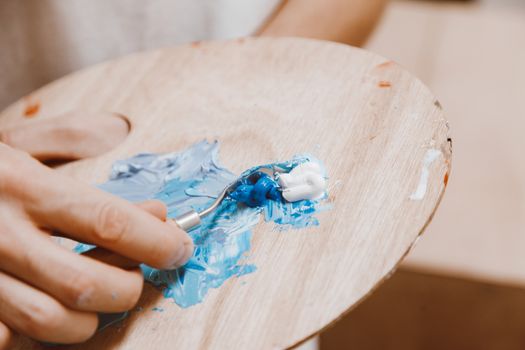 Photo: ROMAN ODINTSOV / Pexels
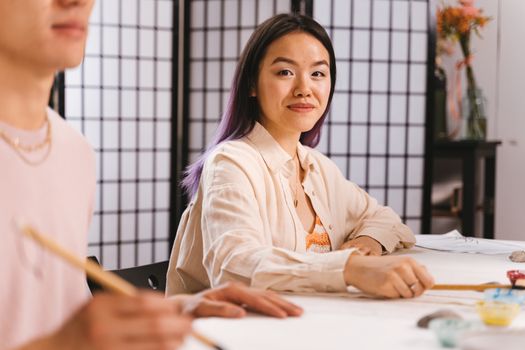 Photo: AI25.Studio AI GENERATIVE / Pexels
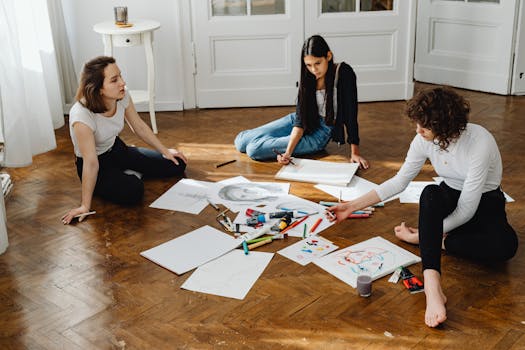 Photo: https://kaboompics.com/ / Pexels
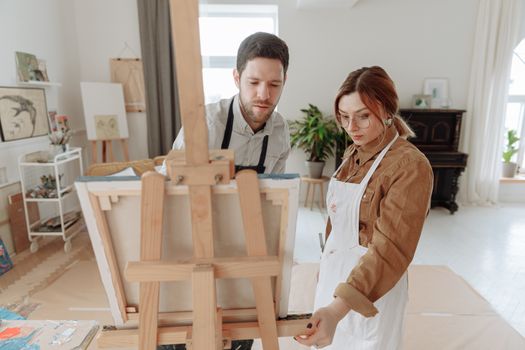 Photo: Thirdman / Pexels