
Unlocking Healing: The Profound Benefits of Art Therapy
Harness the power of creativity to navigate life's challenges and foster profound personal growth and well-being.
Explore Your PotentialKey Takeaways
- ✓ Art therapy is a recognized mental health profession using creative processes for healing and well-being.
- ✓ It's effective for all ages, from children to seniors, addressing a wide range of conditions.
- ✓ No artistic talent is required to benefit from art therapy; the focus is on process, not product.
- ✓ Art therapy can reduce stress, anxiety, depression, and improve coping skills.
How It Works
A qualified art therapist will conduct an initial assessment to understand your needs and goals. Together, you'll establish therapeutic objectives for your journey.
You'll engage in various art-making activities, utilizing different mediums like paint, clay, or collage. The focus is on expressing feelings and experiences non-verbally.
After creating, you'll discuss your artwork with the therapist, exploring thoughts, emotions, and insights that emerged. This dialogue helps in understanding underlying issues.
The therapist guides you in connecting your artistic expressions and insights to real-life situations. This integration fosters new perspectives, coping strategies, and personal growth.
Understanding the Core: What is Art Therapy?
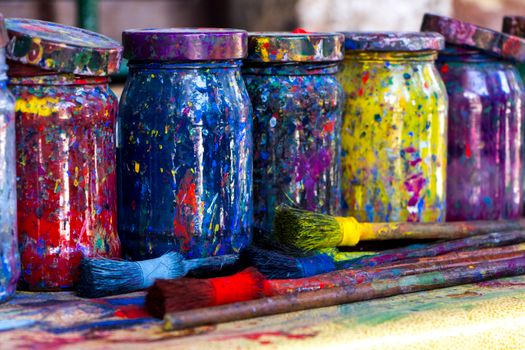 Photo: Bülent Özgöç / Pexels
The Psychological and Emotional Benefits of Art Therapy
Physical, Social, and Cognitive Advantages of Creative Expression
Practical Tips for Exploring Art Therapy and Avoiding Common Pitfalls
- Be Open to Experimentation: Try different mediums and techniques. What feels uncomfortable initially might be exactly what you need.
- Focus on the Process, Not the Product: Let go of expectations about what your art 'should' look like. The insights come from the act of creation and reflection.
- Engage in Self-Reflection: Be honest with yourself and your therapist during discussions about your artwork. Your interpretations are vital.
- Maintain Consistency: Regular sessions allow for deeper exploration and sustained progress.
- Be Patient: Healing and self-discovery are journeys, not destinations. Progress may be gradual.
Comparison
| Feature | Art Therapy | Talk Therapy | Occupational Therapy |
|---|---|---|---|
| Primary Modality | Creative Expression (Art) | Verbal Communication | Functional Activities |
| Focus | Emotional processing, self-discovery, non-verbal communication | Cognitive processing, verbal insight, problem-solving | Skill development for daily living, physical/cognitive function |
| Requires Artistic Skill | ✗ | ✓ (Verbal fluency) | ✗ |
| Expression Beyond Words | ✓ | ✗ | ✓ (Action-based) |
| Targeted Issues | Trauma, anxiety, depression, self-esteem, grief | Wide range of mental health issues, relationship problems | Physical injury, disability, developmental delays |
| Credentialing Body | ATCB (ATR, ATR-BC) | APA (Psychologists), NASW (Social Workers) | AOTA (OTR/L) |
What Readers Say
"Art therapy helped me process my grief after losing my mother in a way I never could with words. The colors and textures allowed me to express unspoken pain and find a path towards healing. It was truly transformative."
Sarah J. · Austin, TX"As someone who struggles with anxiety, art therapy has been a lifeline. It provides a calm space to focus and channel my nervous energy into something tangible. I've learned so much about myself through my creations."
Mark D. · Seattle, WA"I was skeptical at first, but after a few sessions, I started seeing real results. My nightmares decreased significantly, and I felt more in control of my emotions. Art therapy gave me tools to cope with past trauma."
Emily R. · Denver, CO"While it took a bit of time to get comfortable with the non-verbal aspect, art therapy has been incredibly insightful. It's a different kind of introspection, revealing things I hadn't realized were there. Definitely recommend for those open to new approaches."
David L. · Miami, FL"For my son with autism, art therapy has opened up new avenues for communication and emotional regulation. He's more engaged, less frustrated, and his therapist has helped him express feelings through art that he couldn't articulate otherwise."
Jessica M. · Chicago, ILFrequently Asked Questions
What are the primary benefits of art therapy?
The primary benefits of art therapy include emotional release, stress reduction, improved self-esteem, enhanced self-awareness, development of coping skills, and cognitive stimulation. It offers a non-verbal outlet for expression, which is particularly beneficial for those struggling to articulate feelings verbally, leading to profound personal insights and healing.
Do I need artistic talent to benefit from art therapy?
Absolutely not. One of the most common misconceptions about art therapy is that artistic talent is required. The focus is entirely on the process of creation and self-expression, not on the aesthetic quality of the artwork. The goal is therapeutic exploration and insight, not producing a masterpiece.
How do I find a qualified art therapist?
To find a qualified art therapist, look for professionals credentialed by the Art Therapy Credentials Board (ATCB), such as a Registered Art Therapist (ATR) or Board-Certified Art Therapist (ATR-BC). You can search their online directory, ask for referrals from other mental health providers, or check with local hospitals and community mental health centers.
Is art therapy covered by insurance, and what is the typical cost?
Coverage for art therapy varies significantly by insurance provider and plan. It's often billed under mental health services. It's essential to contact your insurance company directly to inquire about coverage. The typical cost for a session can range from $75 to $150 or more, depending on location, therapist's experience, and session length.
How does art therapy compare to traditional talk therapy?
While both aim for healing and growth, art therapy utilizes creative expression as the primary mode of communication, complementing or sometimes replacing verbal dialogue. Talk therapy relies heavily on spoken words. Art therapy can access unconscious thoughts and feelings more directly, offering a different pathway to insight, especially for those who find verbalization challenging or overwhelming.
Who can benefit most from art therapy?
Art therapy is highly versatile and can benefit a wide range of individuals, including children, adolescents, adults, and seniors. It's particularly effective for those dealing with trauma, anxiety, depression, grief, chronic illness, relationship issues, developmental delays, and anyone seeking a deeper understanding of themselves or alternative ways to express their inner world.
Are there any risks or downsides to engaging in art therapy?
When conducted by a qualified and ethical art therapist, art therapy is generally very safe. A potential 'downside' might be encountering uncomfortable emotions or memories during the process, as the art can bring these to the surface. However, a trained therapist is equipped to help you process these feelings in a safe and supportive environment, turning potential discomfort into opportunities for healing.
What are the future trends in the field of art therapy?
Future trends in art therapy include increasing integration with digital tools and virtual reality for broader accessibility, greater emphasis on neuroscientific research to understand its impact on the brain, and expanded use in community-based settings for social justice and collective healing initiatives. There's also a growing focus on culturally responsive and trauma-informed practices.
Embrace the transformative power of creativity. The benefits of art therapy offer a unique path to healing, self-discovery, and emotional well-being. Take the first step towards a more colorful and insightful journey today.