Discover the Best Art Museums in the US: A Curated Guide
August 16, 2026 16 min read 3,193 words
Uncover the nation's most extraordinary art collections, offering unparalleled cultural experiences for every art enthusiast.
Start Your Art Journey
Iconic Institutions: The Grand Dames of American Art
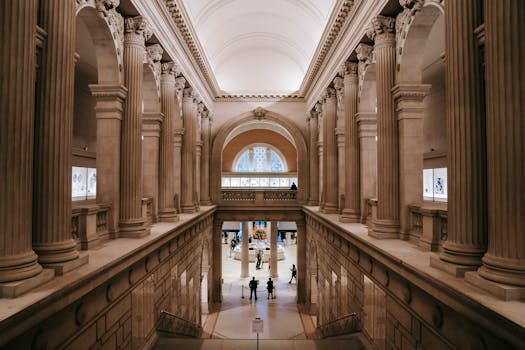 Photo: Charlotte May / Pexels
When discussing the best art museums in the US, certain names immediately come to mind, representing the pinnacle of artistic curation and historical significance. These institutions are not just repositories of art; they are cultural bastions, educational powerhouses, and architectural marvels in their own right.
Foremost among them is New York City’s Metropolitan Museum of Art, often simply called 'The Met.' Spanning two million square feet and housing over two million works, its collection is encyclopedic, covering virtually every period of human creativity from antiquity to the present. Visitors can wander through Egyptian temples, marvel at Roman sculptures, contemplate European masterworks by Rembrandt and Vermeer, or explore vast galleries dedicated to American, Asian, African, and Oceanic art. The Met's sheer scale means a single visit barely scratches the surface, making it a destination that demands multiple return trips. Its Costume Institute, famed for its annual Met Gala, and the Met Cloisters, a branch dedicated to medieval European art and architecture in northern Manhattan, further cement its status as a global leader.
Equally significant is the Museum of Modern Art (MoMA), also in New York. MoMA is arguably the world's most influential museum of modern and contemporary art, boasting seminal works like Van Gogh's 'The Starry Night,' Picasso's 'Les Demoiselles d'Avignon,' and Warhol's 'Campbell's Soup Cans.' Its collection encompasses painting, sculpture, drawing, photography, prints, illustrated books, film, and electronic media, chronicling the revolutionary artistic movements of the 20th and 21st centuries. MoMA's impact on shaping public understanding and appreciation of modern art cannot be overstated.
On the West Coast, the J. Paul Getty Museum in Los Angeles offers a different, yet equally compelling, experience. Split between two stunning locations—the Getty Center and the Getty Villa—it focuses on European art from the Middle Ages to the early 20th century, alongside magnificent Greek, Roman, and Etruscan antiquities. The Getty Center, perched atop a hill with panoramic views of the city, is an architectural masterpiece itself, designed by Richard Meier, surrounded by meticulously maintained gardens. The Getty Villa, modeled after an ancient Roman country house, provides an immersive experience into classical antiquity. Both sites are renowned for their free admission, making world-class art accessible to all.
Chicago's Art Institute of Chicago is another titan, celebrated for its vast holdings of Impressionist and Post-Impressionist art, including iconic pieces like Georges Seurat's 'A Sunday on La Grande Jatte' and Edward Hopper's 'Nighthawks.' Its diverse collection also spans ancient Greek, Roman, and Egyptian art, Asian art, American art, and modern and contemporary works. The museum's extensive photography collection and its Ryerson and Burnham Libraries, crucial resources for art and architectural research, underscore its academic as well as public mission.
These institutions, among others, form the bedrock of the American art landscape. They are more than just buildings; they are living testaments to human creativity, continually evolving through new acquisitions, groundbreaking exhibitions, and innovative educational programs. Exploring them is not merely viewing art; it's engaging in a dialogue across centuries and cultures, an essential journey for anyone seeking to understand the breadth and depth of artistic expression. For more on specific artistic movements, explore our guide to
understanding modern art. Each visit promises new discoveries and a deeper appreciation for the boundless ingenuity of the human spirit.
Regional Gems and Specialized Collections: Beyond the Behemoths
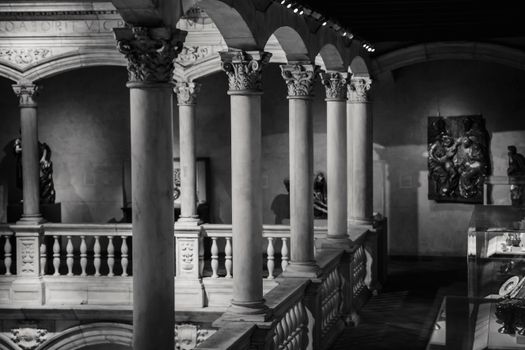 Photo: Charlotte May / Pexels
While the monumental institutions often grab the headlines, the US is also home to a plethora of regional gems and specialized art museums that offer unique, often more intimate, and incredibly rewarding experiences. These museums might focus on a particular period, a specific medium, or the art of a certain culture, providing a depth of knowledge and a curated perspective that complements the broader collections of the larger institutions.
Consider the Isabella Stewart Gardner Museum in Boston, a truly extraordinary and personal collection housed in a Venetian-palace-inspired building. Isabella Stewart Gardner meticulously curated her collection of European, Asian, and American art, including paintings, sculpture, tapestries, and decorative arts, with a specific vision for its display. Upon her death, she stipulated that nothing in the collection should ever be moved or altered, creating a time capsule of her aesthetic choices. The museum became infamous for a massive art heist in 1990, where 13 works were stolen, and their empty frames remain on display as a poignant reminder. This museum offers a deeply personal and atmospheric encounter with art, distinct from the more conventional museum experience.
In Washington D.C., the Phillips Collection stands as America's first museum of modern art, predating MoMA. Housed in a charming Georgian Revival mansion, it features an intimate display of Impressionist, Post-Impressionist, and early American modern art, including Renoir's 'Luncheon of the Boating Party.' Its 'museum house' feel allows visitors to connect with the art in a more domestic, less overwhelming setting, fostering a sense of discovery and personal connection.
Moving south, the Crystal Bridges Museum of American Art in Bentonville, Arkansas, is a testament to the growing decentralization of major art institutions. Founded by Alice Walton of Walmart heiress fame, this museum is dedicated to celebrating the American spirit through art and architecture. Its stunning Moshe Safdie-designed buildings are nestled within a natural landscape of forest and streams, offering a unique blend of art and nature. The collection spans five centuries of American art, from colonial portraits to contemporary masterpieces, and features iconic works by artists like Asher B. Durand, Norman Rockwell, and Andy Warhol. Crystal Bridges provides free admission, making it a highly accessible cultural destination in the heart of the Ozarks.
Another significant regional player is the Barnes Foundation in Philadelphia. Originally established as a private collection by Albert C. Barnes, it boasts an unparalleled assembly of early modern paintings, including 181 Renoirs, 69 Cézannes, 59 Matisses, and many works by Picasso, Van Gogh, and Modigliani. Barnes arranged his collection in 'ensembles' – thematic groupings of paintings, furniture, metalwork, and textiles – that challenge conventional art historical narratives. The foundation's move from its original suburban location to a purpose-built gallery on the Benjamin Franklin Parkway in 2012 sparked controversy but has made this extraordinary collection more accessible to the public, albeit still with a strong emphasis on Barnes' original installation principles.
These specialized and regional museums prove that world-class art experiences are not confined to the largest cities or the most famous names. They offer distinct perspectives, often in unique architectural settings, providing deep dives into specific artistic movements, cultures, or the personal visions of their founders. Seeking out these hidden treasures can lead to some of the most memorable and enriching artistic encounters in the US, showcasing the incredible diversity of the nation's cultural landscape.
Contemporary Visionaries: Shaping the Future of Art
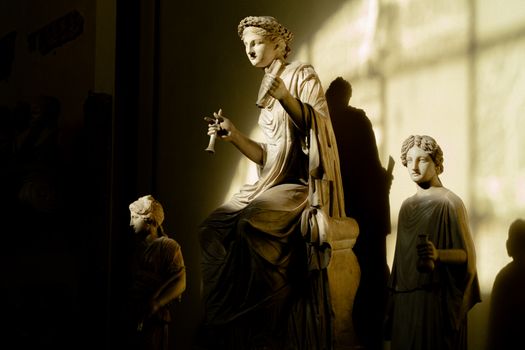 Photo: Jagjeet Dhuna / Pexels
The landscape of art is constantly evolving, and a crucial part of the best art museums in the US are those dedicated to contemporary art, pushing boundaries, and reflecting the complexities of our current world. These institutions often showcase emerging artists alongside established figures, engage with social and political themes, and embrace new media and experimental forms. They are vital for understanding the cutting edge of artistic expression and for fostering dialogue about the future of art.
The Museum of Contemporary Art, Los Angeles (MOCA) is a prime example. With three distinct venues—the Grand Avenue, the Geffen Contemporary, and MOCA Pacific Design Center—MOCA is dedicated exclusively to collecting and exhibiting contemporary art created after 1940. Its collection includes works by influential artists such as Jackson Pollock, Mark Rothko, Cindy Sherman, and Takashi Murakami. MOCA is known for its dynamic exhibition schedule, often featuring provocative and thought-provoking installations that challenge viewers and stimulate critical thinking. Its commitment to showcasing the diverse voices and perspectives within contemporary art makes it a pivotal institution on the West Coast.
New York City, of course, remains a hub for contemporary art, with institutions like the Whitney Museum of American Art playing a significant role. Relocated to a striking Renzo Piano-designed building in the Meatpacking District, the Whitney focuses on 20th and 21st-century American art, with a particular emphasis on living artists. Its biennial exhibition is a highly anticipated event, offering a snapshot of current trends and significant new works in American art. The museum's collection includes masterpieces by Edward Hopper, Georgia O'Keeffe, Jasper Johns, and numerous others who have shaped the trajectory of American modernism and contemporary art. The Whitney's rooftop terraces offer not only stunning views of the city but also outdoor exhibition spaces, blurring the lines between art and urban environment.
Further south, the Pérez Art Museum Miami (PAMM) exemplifies the growing importance of contemporary art in regions beyond the traditional art capitals. Situated in a stunning Herzog & de Meuron-designed building overlooking Biscayne Bay, PAMM focuses on international art of the 20th and 21st centuries, with a strong emphasis on Miami's diverse population and its pivotal geographic position as a crossroads of the Americas. The museum's collection and exhibitions reflect the unique cultural tapestry of its city, featuring works by artists from Latin America, the Caribbean, and the African diaspora, alongside global contemporary art. Its innovative programming and commitment to community engagement make it a vibrant cultural anchor in South Florida.
Another innovative space is the Massachusetts Museum of Contemporary Art (MASS MoCA) in North Adams, Massachusetts. Housed in a sprawling complex of converted 19th-century factory buildings, MASS MoCA is one of the largest centers for contemporary visual and performing arts in the United States. Its vast industrial spaces allow for monumental installations and long-term exhibitions that would be impossible in traditional museum settings. MASS MoCA is a destination in itself, offering an immersive experience with large-scale works and a sense of discovery as visitors navigate its expansive grounds.
These contemporary art museums are not just about displaying art; they are about fostering dialogue, challenging perceptions, and providing platforms for artists to engage with the pressing issues of our time. They are dynamic, often experimental, and crucial for understanding the ongoing evolution of human creativity. For those interested in the cutting edge, these institutions offer unparalleled opportunities to witness art in the making and to connect with the artistic pulse of the present moment. For insights into the historical context that led to contemporary movements, consider exploring
the evolution of art history.
Planning Your Museum Experience: Tips for a Rewarding Visit
 Photo: Elif Gökçe / Pexels
Visiting any of the best art museums in the US can be an incredibly enriching experience, but a little planning can go a long way in ensuring your visit is as enjoyable and impactful as possible. Whether you're a seasoned art aficionado or a curious newcomer, these tips will help you maximize your time and appreciation.
### Maximize Your Time and Engagement:
* **Do Your Homework:** Before you go, check the museum's website for current exhibitions, hours, and any special events. Many museums offer online collections, which can help you identify specific works or artists you want to see. This also helps you prioritize if you have limited time.
* **Buy Tickets Online in Advance:** For popular museums and special exhibitions, tickets can sell out quickly. Purchasing online not only guarantees your entry but also often allows you to bypass long queues, saving valuable time.
* **Go During Off-Peak Hours:** Weekday mornings, especially right after opening, are typically less crowded than weekends or holiday periods. A quieter environment allows for more focused contemplation of the art.
* **Pace Yourself:** Don't try to see everything in one go, especially in large museums. Art fatigue is real! Prioritize a few galleries or exhibitions that genuinely interest you. It's often more rewarding to deeply engage with a few pieces than to rush past hundreds.
* **Utilize Audio Guides and Tours:** Many museums offer audio guides, either for rent or via free apps, which provide context and insights into key artworks. Docent-led tours can also offer fascinating perspectives and behind-the-scenes stories.
* **Take Breaks:** Museum visits can be physically demanding. Look for benches, cafes, or outdoor areas within the museum where you can rest, reflect, and refuel. This helps maintain your energy and focus.
### Common Mistakes to Avoid:
* **Ignoring the Map:** Large museums are often labyrinths. Grab a map at the entrance or download one to your phone. It will help you navigate efficiently and ensure you don't miss anything on your must-see list.
* **Over-Scheduling:** Don't cram too many museums or activities into one day. Allow ample time for travel between locations, unexpected delays, and spontaneous discoveries.
* **Forgetting Essentials:** Comfortable shoes are non-negotiable. Also, consider bringing a small bag for water, a snack, and any personal items. Check the museum's bag policy beforehand; some require larger bags to be checked.
* **Focusing Only on 'Famous' Works:** While iconic pieces are a draw, some of the most profound experiences can come from lesser-known works or artists. Keep an open mind and allow yourself to be drawn to unexpected art.
* **Skipping the Gift Shop (or spending too much!):** While museum gift shops can be delightful, they can also be a time and money trap. Decide beforehand if you plan to browse, and set a budget if you do.
By keeping these tips in mind, your visit to any of the best art museums in the US will be transformed from a simple outing into a truly immersive and inspiring cultural journey.
