Unleash Creativity: Top Online Art Courses for Adults
online art courses for adults

Unleash Creativity: Top Online Art Courses for Adults

Transform your artistic aspirations into reality with expert-led online art courses designed for every skill level.

Find Your Perfect Course

Key Takeaways

  • ✓ Flexibility: Learn at your own pace, on your own schedule.
  • ✓ Diversity: Access a vast array of art forms, from drawing to digital painting.
  • ✓ Accessibility: No commute, no geographical barriers to top instructors.
  • ✓ Community: Connect with fellow art enthusiasts worldwide.

How It Works

1
Choose Your Medium & Skill Level

Identify the art form you wish to explore (e.g., watercolor, sculpture) and your current experience level. Many platforms offer beginner-friendly options.

2
Select a Platform & Course

Browse reputable online learning platforms, reviewing course descriptions, instructor credentials, and student testimonials. Look for courses that align with your goals.

3
Engage with Lessons & Community

Participate in video lessons, complete assignments, and utilize forums or live sessions for feedback. Active engagement enhances the learning experience.

4
Practice & Share Your Art

Consistent practice is key to improvement. Share your creations with peers and instructors to receive constructive criticism and celebrate your progress.

Why Online Art Courses for Adults Are a Game-Changer for Creativity
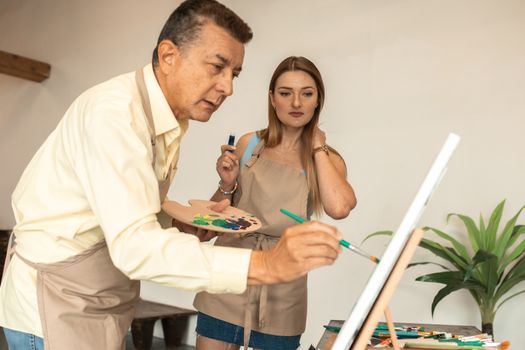
Adult students painting in an art studio, focused on creativity and learning. Photo: RDNE Stock project / Pexels
In today's fast-paced world, finding time for personal enrichment, especially creative pursuits, can feel like an impossible task. However, the rise of online art courses for adults has revolutionized how grown-ups can engage with their artistic side, offering unprecedented flexibility, accessibility, and diversity. Gone are the days when learning art meant rigid schedules, expensive in-person classes, or limited options based on your geographical location. Now, whether you're a complete beginner who's never picked up a paintbrush or an experienced artist looking to refine specific techniques, there's an online course tailored to your needs. One of the most compelling advantages is the sheer convenience. Imagine learning to paint a breathtaking landscape from the comfort of your living room, or mastering digital illustration during your lunch break. Online platforms break down traditional barriers, allowing you to learn at your own pace, on your own schedule. This flexibility is crucial for adults juggling work, family, and other commitments. You can pause a lesson to practice a stroke, rewatch complex demonstrations as many times as needed, and fit your creative endeavors into even the busiest of lives. This self-directed approach fosters a deeper, more personalized learning experience, empowering you to take ownership of your artistic journey. Beyond convenience, the breadth of artistic disciplines available online is truly astounding. From foundational drawing and painting techniques (oil, acrylic, watercolor) to more niche areas like calligraphy, sculpture, ceramics, animation, photography, and even digital art forms like Procreate or Photoshop, the options are virtually limitless. This means you're not confined to what's offered in your local community center; you have access to a global library of knowledge and expertise. Many courses are taught by renowned artists and educators who might otherwise be inaccessible, bringing world-class instruction directly to your screen. This diversity ensures that no matter your artistic curiosity, there's a path for you to explore and develop your skills. Furthermore, many online courses foster vibrant communities where students can share their work, receive feedback, and connect with like-minded individuals from around the world. This sense of belonging and mutual support can be incredibly motivating and enriching, transforming a solitary pursuit into a shared creative adventure. For more insights into fostering creativity, explore our guide on boosting creative thinking. Finally, the cost-effectiveness of online art courses often surpasses that of traditional in-person workshops or classes. While some premium courses can be an investment, many platforms offer subscription models, individual course purchases, or even free introductory lessons that make art education more affordable and accessible. This lower barrier to entry means more adults can pursue their artistic passions without significant financial strain. It's an investment in yourself, your well-being, and your potential for creative expression, yielding benefits that extend far beyond the canvas or screen. Embracing online art education is not just about learning a skill; it's about rediscovering joy, reducing stress, and connecting with a fundamental part of being human – the urge to create.

Navigating the Landscape: Choosing the Best Online Art Courses for Your Needs
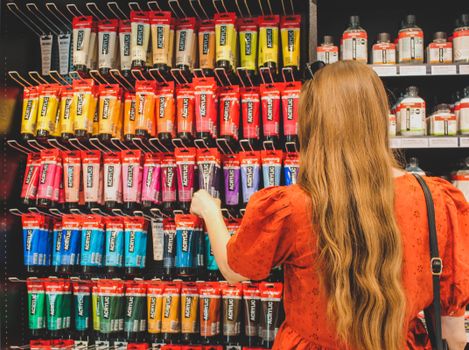
A woman in a red dress selecting acrylic paints from a vibrant display in a Boston art supply store. Photo: Czapp Árpád / Pexels
With the explosion of online learning platforms, selecting the right online art courses for adults can feel overwhelming. The key is to approach your search strategically, considering several factors to ensure the course aligns perfectly with your goals, learning style, and budget. Start by defining your objectives: Are you looking to learn a completely new skill, refine an existing one, build a portfolio, or simply explore art for relaxation? Your answer will significantly narrow down your options. Next, consider the medium or specific technique you're interested in. If you're drawn to traditional methods, look for courses specializing in oil painting, watercolor, charcoal drawing, or sculpting. For those inclined towards modern approaches, explore digital art, animation, graphic design, or photography courses. Many platforms offer introductory courses that cover a broad range of fundamentals, which can be an excellent starting point for beginners unsure of their preferred medium. Don't be afraid to experiment with different styles and instructors until you find what truly resonates with you. Instructor quality is paramount. Research the instructors' backgrounds, experience, and teaching style. Many platforms provide instructor bios, portfolios, and even short introductory videos. Look for instructors whose work you admire and whose teaching approach seems clear, encouraging, and engaging. Reading student reviews and testimonials can offer valuable insights into the instructor's effectiveness and the overall course experience. A good instructor can make complex concepts understandable and keep you motivated throughout your learning journey. The course structure and content are also crucial. Do you prefer self-paced learning with pre-recorded videos, or do you thrive in a more interactive environment with live sessions, direct feedback, and peer critiques? Some courses offer downloadable resources, assignments, and projects designed to reinforce learning. Check if there's a community forum or a way to interact with other students, as peer support and shared learning can greatly enhance your progress. The availability of constructive feedback on your work is particularly important for artistic development, so prioritize courses that offer this feature. Finally, evaluate the platform itself and its pricing model. Some platforms offer individual course purchases, while others operate on a subscription basis, granting access to a library of courses for a monthly or annual fee. Consider free trials or introductory lessons to get a feel for the platform's interface and content quality before committing. Compare pricing, course length, and what's included (e.g., materials list, downloadable assets, community access). Remember that the 'best' course isn't necessarily the most expensive; it's the one that best fits your individual needs and helps you achieve your artistic aspirations. By carefully considering these elements, you can confidently choose online art courses for adults that will truly ignite your creative spark and lead to tangible artistic growth.

Popular Platforms and Specialized Online Art Courses for Adults
A child stands in front of a digital display showcasing various lifestyle images. Photo: Ron Lach / Pexels
The digital landscape is rich with platforms offering exceptional online art courses for adults, each with its unique strengths and specialties. Understanding these differences can help you pinpoint the perfect fit for your artistic journey. Some platforms cater to a broad audience with a wide array of subjects, while others focus on specific niches or teaching methodologies. Let's explore some of the most popular and effective options available today. **Skillshare** is a highly popular platform known for its vast library of creative classes, including thousands of art courses. It operates on a subscription model, offering unlimited access to all courses for a monthly or annual fee. Skillshare is excellent for exploring different mediums and techniques, as many classes are project-based and relatively short, making them perfect for trying new things without a huge time commitment. You'll find everything from beginner drawing and watercolor to advanced digital illustration and character design. The community aspect is strong, with students often sharing their projects and receiving feedback from instructors and peers. This platform is ideal for those who enjoy self-paced learning and want to experiment with a variety of artistic disciplines. **Domestika** offers high-quality, professionally produced courses taught by leading artists and creatives. Their courses are typically purchased individually and provide lifetime access, allowing you to revisit lessons whenever you need. Domestika excels in offering in-depth courses across a wide range of artistic fields, including illustration, photography, craft, design, and 3D. The production value of their videos is exceptional, and many courses come with downloadable resources and project files. It's a great choice for adults looking for comprehensive, structured learning from industry experts, often with a focus on practical application and portfolio building. For those interested in deeper dives into specific artistic movements, exploring art history resources can complement your practical learning. **CreativeLive** stands out with its unique 'live' workshop format, though many courses are also available on-demand. They host world-renowned instructors and offer courses across photography, art & design, craft, and more. CreativeLive often provides comprehensive learning paths and bundles, making it suitable for those who want a structured curriculum to master a particular skill set. While some courses can be pricier, the depth of content and the caliber of instructors often justify the investment. They also frequently offer free live broadcasts, allowing you to sample content before committing. **Udemy** is another massive online learning marketplace with a huge selection of art courses, often at very competitive prices. Courses are purchased individually and offer lifetime access. While the quality can vary more widely due to the open nature of the platform (anyone can create and sell a course), you can find hidden gems and highly specialized courses. It's crucial to read reviews and check instructor credentials thoroughly before purchasing. Udemy is excellent for budget-conscious learners or those looking for very specific, niche topics that might not be available elsewhere. For those seeking a more academic or structured approach, institutions like the **School of the Art Institute of Chicago (SAIC)** or the **Rhode Island School of Design (RISD)** sometimes offer online extension courses or certificate programs. These options often come with higher price tags but provide a more traditional art school experience, complete with rigorous critiques and formal accreditation. These are particularly beneficial for adults considering a career change or looking to build a professional portfolio with recognized credentials. Each of these platforms, and many others, contribute to making online art courses for adults an incredibly rich and accessible resource for creative growth.

Maximizing Your Learning: Tips for Success in Online Art Courses for Adults
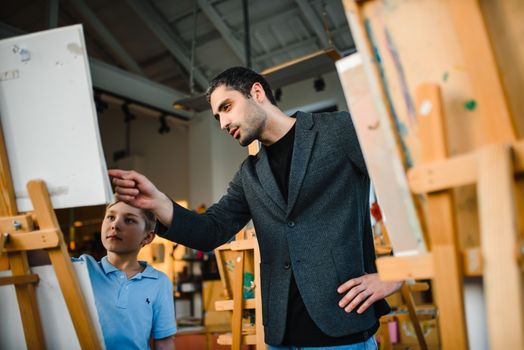
Art teacher instructing a young student in an art studio, focusing on painting techniques. Photo: Anastasia Shuraeva / Pexels
Embarking on online art courses for adults is an exciting venture, but like any learning endeavor, success often hinges on adopting effective strategies. It's not just about signing up; it's about actively engaging and creating an environment conducive to growth. Here are some invaluable tips to help you get the most out of your online art education: * **Set Aside Dedicated Time:** Treat your online art classes like any other important appointment. Schedule specific blocks of time each week for lessons, practice, and projects. Consistency is far more effective than sporadic, long sessions. Even 30 minutes a day can lead to significant progress over time. * **Create a Dedicated Workspace:** Designate a specific area in your home for your art. This doesn't need to be a grand studio; a corner of a room with good lighting and organized supplies can suffice. A dedicated space helps you get into the creative mindset and minimizes distractions. * **Gather Your Materials:** Before starting a course, review the materials list provided by the instructor. Having all necessary supplies on hand will prevent interruptions and allow you to dive straight into the lessons. Don't feel pressured to buy the most expensive items; often, beginner-friendly sets are perfectly adequate. * **Actively Engage with the Content:** Don't just passively watch videos. Take notes, pause lessons to practice techniques, and complete all assignments. The act of doing is where true learning and skill development occur. Rewatch sections that you find challenging. * **Seek and Embrace Feedback:** If your course offers opportunities for feedback, utilize them! Share your work in community forums, submit assignments for instructor critiques, and be open to constructive criticism. Feedback is a gift that helps you identify areas for improvement and accelerate your growth. Remember, art is subjective, but technical skills can always be refined. * **Connect with Your Peers:** Many online platforms have student forums or groups. Engage with fellow learners! Share your progress, ask questions, offer encouragement, and participate in discussions. A supportive community can be a huge source of motivation and inspiration. * **Be Patient and Persistent:** Artistic development is a journey, not a race. There will be moments of frustration and self-doubt. Embrace the process, celebrate small victories, and understand that improvement comes with consistent effort and practice. Don't be afraid to make 'bad' art; it's all part of the learning curve. * **Keep a Sketchbook or Art Journal:** This is your personal space to experiment, doodle, practice, and reflect. It's a low-pressure environment to try new ideas without the fear of perfection. Documenting your artistic journey can be incredibly rewarding. By implementing these strategies, you'll transform your online art courses from a casual hobby into a deeply enriching and productive creative experience, leading to tangible skill development and a renewed passion for art.

Comparison

FeatureSkillshare (Subscription)Domestika (Per Course)CreativeLive (Hybrid)
Pricing ModelMonthly/Annual SubscriptionIndividual Course PurchaseIndividual Course/Bundles
Course VarietyVery Broad (thousands)Curated (hundreds)Broad (photography, art, craft)
Instructor CaliberVaried (many pros)High (industry leaders)Very High (renowned experts)
Feedback & CommunityStrong (forums, projects)Good (forums, project sharing)Good (live Q&A, forums)
Learning PaceSelf-pacedSelf-paced (lifetime access)Self-paced (on-demand), Live options
Production QualityGoodExcellentExcellent
Best ForExploration, trying new thingsIn-depth skill mastery, portfolioStructured learning, expert access

What Readers Say

"I've always wanted to paint, but never had the time. These online art courses for adults are a lifesaver! I'm learning so much about watercolors and the instructor's feedback is incredibly helpful. My confidence has soared."

Sarah J. · Austin, TX

"As a busy professional, the flexibility of online art courses for adults is unmatched. I can fit lessons into my schedule and finally pursue my passion for digital illustration. The community aspect is also a huge bonus."

Mark T. · Seattle, WA

"After completing a course on portrait drawing, I can now confidently sketch faces that actually look like people! The step-by-step instructions and practical exercises made a huge difference. Highly recommend for anyone looking to see real progress."

Emily R. · Miami, FL

"The course content was excellent, though I sometimes wished for more direct, live interaction with the instructor. However, the quality of the video lessons and downloadable resources more than made up for it. I'm definitely a better artist now."

David L. · Denver, CO

"I used online art courses for adults to learn Procreate for my graphic design business. It saved me so much time and money compared to traditional schooling, and I gained practical skills I could immediately apply to client work. A fantastic investment!"

Jessica P. · Chicago, IL

Frequently Asked Questions

Are online art courses for adults suitable for complete beginners?

Absolutely! Many online platforms specifically cater to absolute beginners, offering foundational courses in drawing, painting, and various digital mediums. Look for courses explicitly labeled 'beginner-friendly' or 'fundamentals' to ensure they start with the basics and gradually build your skills. Instructors often break down complex concepts into manageable steps, making art accessible to everyone.

How much do online art courses for adults typically cost?

The cost varies widely. Some platforms offer subscription models (e.g., Skillshare, starting around $15-30/month or $99-199/year for unlimited access). Others sell individual courses (e.g., Domestika, Udemy) ranging from $10-$100+ per course, often with lifetime access. Premium workshops or university extension programs can range from a few hundred to over a thousand dollars. Many platforms also offer free trials or introductory lessons.

What equipment do I need for online art courses?

Equipment needs depend on the course. For traditional art, you'll need basic supplies like paper, pencils, paints, and brushes. Digital art courses require a device (computer, tablet) and relevant software (e.g., Photoshop, Procreate). Most courses provide a detailed materials list. Start simple; you don't need expensive gear to begin.

Can I get personalized feedback on my artwork in online courses?

Yes, many online art courses for adults offer opportunities for personalized feedback. This can come in various forms: instructor critiques on submitted assignments, peer reviews in community forums, or even live Q&A sessions. When choosing a course, check its features to ensure it provides the level of feedback you desire for your artistic growth.

How do online art courses compare to in-person art classes?

Online courses offer unparalleled flexibility, accessibility to global instructors, and a vast diversity of subjects, often at a lower cost. In-person classes provide immediate, direct interaction with an instructor and peers, and access to specialized studio equipment. Both have merits; online courses excel for self-paced learning and broad exploration, while in-person classes might be preferred for hands-on, intensive workshops or specific equipment needs.

Who should consider taking online art courses for adults?

Anyone with a desire to learn or improve their artistic skills should consider online art courses. This includes busy professionals seeking a creative outlet, retirees exploring new hobbies, aspiring artists building portfolios, or even experienced artists looking to learn new techniques or digital tools. They are ideal for those who value flexibility and access to diverse learning opportunities.

Are online art courses credible for professional development?

Yes, many online art courses can significantly contribute to professional development, especially those from reputable platforms or taught by industry experts. While they may not always offer formal accreditation like a degree, the skills learned are highly valuable. Completing advanced courses, building a strong portfolio, and even earning certificates from certain programs can enhance your professional profile in creative fields.

What are the future trends in online art education?

Future trends point towards more immersive experiences, including virtual reality (VR) art studios, AI-powered personalized feedback, and increasingly sophisticated interactive tools. We can also expect more specialized niche courses, greater integration with social media for community building, and hybrid models combining online learning with occasional in-person workshops. The goal is to make art education even more engaging and accessible.

Ready to unlock your artistic potential? Explore the incredible world of online art courses for adults today. Whether you're a beginner or looking to master new techniques, there's a perfect course waiting to inspire your next masterpiece. Start creating now!

Topics: online art courses for adultsadult art classes onlinelearn art onlinevirtual art workshopsart education for grown-ups
Leo List
Brampton weed
Adultwork