✓ Accreditation is crucial for online art degrees, ensuring quality and transferability.
✓ Many online programs offer specializations from graphic design to animation and fine art.
✓ Portfolio submission is a standard requirement for admission to most art programs.
✓ Online art degrees can be more affordable and flexible than traditional on-campus options.
How It Works
1
Research & Explore
Identify your artistic goals and research accredited online art degree programs that align with your interests and career aspirations. Look at curriculum, faculty, and student outcomes.
2
Prepare Your Portfolio
Curate a strong portfolio showcasing your best work, demonstrating your skills, potential, and unique artistic voice. Most programs require this for admission.
3
Apply & Enroll
Complete the application process, submit your portfolio, transcripts, and any essays. Once accepted, navigate financial aid options and enroll in your chosen program.
4
Engage & Create
Immerse yourself in your coursework, participate in online critiques, collaborate with peers, and leverage virtual resources. Build your skills and professional network.
Why Choose Online Art Degree Programs?
Photo: Ivan S / Pexels
In an increasingly digital world, pursuing an education in the arts no longer requires you to be physically present in a studio or lecture hall. Online art degree programs have emerged as a powerful and accessible alternative, offering unparalleled flexibility and a diverse range of specializations for aspiring artists. This shift isn't just about convenience; it's about democratizing art education, making it available to individuals who might otherwise be constrained by geographical limitations, work schedules, family commitments, or financial considerations. The quality of these programs has also dramatically improved, with many reputable institutions now offering robust curricula, experienced faculty, and cutting-edge digital tools that mirror or even surpass traditional in-person experiences.
One of the primary benefits is the inherent flexibility. Students can often complete coursework on their own schedule, balancing their studies with other responsibilities. This asynchronous learning model is particularly advantageous for non-traditional students, working professionals looking to pivot careers, or those living in areas without access to art schools. Imagine being able to refine your painting techniques after your children are asleep, or developing your animation skills during your lunch break. This adaptability is a game-changer for many. Furthermore, online programs often foster a global community of learners, exposing students to diverse perspectives and artistic influences they might not encounter in a local setting. Virtual critiques, collaborative projects, and online forums create a dynamic learning environment where ideas are exchanged freely, pushing creative boundaries.
Another significant advantage lies in the often-specialized nature of online art degrees. While traditional schools might offer broad fine art degrees, online platforms frequently delve into niche areas like concept art for video games, motion graphics, UI/UX design, digital sculpting, or even specific historical art movements. This allows students to tailor their education precisely to their career aspirations, gaining highly relevant skills for today's competitive creative industries. The technology used in these programs is also a key factor. Students learn to master industry-standard software and hardware, which is invaluable for professional practice. From Adobe Creative Suite to ZBrush and Maya, online art education often integrates these tools directly into the curriculum, ensuring graduates are workforce-ready. The ability to learn and create from virtually anywhere, coupled with access to specialized training and a global network, makes online art degree programs an increasingly attractive and viable path for serious artists. Discover how digital tools are transforming art education.
Navigating Accreditation and Program Quality
Photo: Annushka Ahuja / Pexels
When considering online art degree programs, one of the most critical factors to evaluate is accreditation. Accreditation signifies that an institution and its programs meet rigorous quality standards set by independent accrediting bodies. For art schools, this typically involves agencies recognized by the U.S. Department of Education, such as the National Association of Schools of Art and Design (NASAD) for specialized art programs, or regional accreditors like the WASC Senior College and University Commission (WSCUC) or the Higher Learning Commission (HLC) for broader university accreditation. Attending an accredited program is paramount for several reasons: it ensures the validity of your degree, facilitates the transfer of credits if you decide to switch schools, and is often a prerequisite for financial aid eligibility, graduate studies, and professional employment.
Beyond accreditation, discerning program quality requires a deeper dive into several key areas. First, examine the curriculum. Does it offer a comprehensive foundation in art theory, history, and practice, while also providing opportunities for specialization in your chosen field? Look for programs that integrate both traditional art skills (like drawing and color theory) with contemporary digital techniques. Next, investigate the faculty. What are their professional backgrounds and credentials? Do they have real-world experience in the creative industries? Many top online programs boast instructors who are active practitioners, bringing invaluable industry insights and connections to the virtual classroom. Student-to-faculty ratios and opportunities for personalized feedback are also indicators of a supportive learning environment.
Furthermore, explore the technological infrastructure and resources provided. Does the program offer robust learning management systems, access to industry-standard software, virtual studios, and digital libraries? What kind of technical support is available? A high-quality online art program will provide seamless access to all necessary tools and resources to facilitate learning and creation. Don't overlook student support services, including academic advising, career counseling, and networking opportunities. Many online schools are now offering virtual career fairs, portfolio reviews, and alumni networks specifically tailored to their distance learners. Finally, review student success stories, alumni portfolios, and graduate employment rates. These can provide tangible evidence of a program's effectiveness in preparing students for successful careers in the arts. By meticulously evaluating these aspects, you can confidently choose an online art degree program that offers both academic rigor and professional relevance.
Specializations and Career Paths in Online Art Education
Photo: www.kaboompics.com / Pexels
The landscape of online art degree programs is incredibly diverse, offering a wide array of specializations that cater to virtually every artistic interest and career aspiration. Gone are the days when an 'art degree' was a monolithic concept; today, you can pursue highly focused paths that lead directly to specific roles within the creative economy. Understanding these specializations is crucial for selecting a program that aligns with your professional goals. For those drawn to the digital realm, degrees in Graphic Design are immensely popular, preparing students for careers in branding, advertising, web design, and user interface (UI) design. These programs often cover typography, layout, digital illustration, and visual communication principles. Similarly, Digital Animation and Game Design degrees are booming, teaching skills in character design, 3D modeling, rigging, texturing, storytelling, and interactive media development, leading to roles in film, television, and the burgeoning video game industry.
If your passion lies in visual storytelling and illustration, online programs in Illustration or Concept Art can hone your drawing, painting, and digital rendering skills for applications in publishing, advertising, comic books, and entertainment. Fine Arts degrees, while sometimes seen as more traditional, are also offered online, allowing students to explore painting, sculpture, printmaking, and mixed media with a digital lens, often culminating in exhibition-ready portfolios. These programs might focus on developing a unique artistic voice and preparing students for careers as independent artists, gallery representation, or art educators. Photography and Film Production degrees are increasingly available online, covering aspects from cinematography and editing to visual effects and post-production, preparing students for roles in media, advertising, and independent filmmaking.
Beyond these, niche areas like Interior Design, Fashion Design (focusing on digital pattern making and visualization), and Art History are also accessible through online formats. The key takeaway is that an online art degree is not just about gaining artistic skills; it's about acquiring a professional toolkit that is highly sought after across various industries. Graduates from these programs find employment as graphic designers, animators, illustrators, concept artists, web designers, UI/UX designers, photographers, videographers, art directors, and independent artists. The flexibility of online learning often means students can begin building their professional portfolios and even freelancing while still completing their degrees, providing a head start in their chosen career path. Explore the evolving role of art in modern industries.
Tips for Success in Online Art Programs & Common Pitfalls to Avoid
Photo: Andrea Piacquadio / Pexels
Succeeding in an online art degree program requires a unique blend of self-discipline, proactive engagement, and a willingness to adapt to the virtual learning environment. While the flexibility is a major draw, it also demands a high level of personal responsibility. Here are essential tips for thriving and common pitfalls to sidestep.
**Tips for Success:**
* **Establish a Dedicated Workspace:** Create a specific area in your home that is optimized for creativity and learning. This helps mentally separate your study time from other activities and reduces distractions. Ensure it's equipped with the necessary hardware, software, and good lighting.
* **Master Time Management:** Online learning requires excellent organizational skills. Develop a consistent study schedule, prioritize assignments, and use digital calendars or planners to keep track of deadlines. Break down large projects into smaller, manageable tasks.
* **Actively Engage in Critiques and Forums:** Online art programs heavily rely on peer and instructor feedback. Don't be a passive observer. Participate actively in discussions, provide constructive criticism, and thoughtfully receive feedback on your own work. This is crucial for artistic growth.
* **Network Digitally:** Connect with your classmates and instructors. Online platforms offer opportunities for virtual study groups, collaborative projects, and professional networking. These connections can lead to future opportunities and support.
* **Prioritize Self-Care:** Long hours in front of a screen can be draining. Remember to take breaks, stretch, get enough sleep, and maintain a healthy lifestyle. Burnout can severely impact your creative output.
* **Seek Technical Support:** Don't hesitate to reach out if you encounter technical issues with software, platforms, or hardware. Most online institutions offer robust tech support services.
**Common Pitfalls to Avoid:**
* **Procrastination:** The flexible nature of online learning can be a double-edged sword. Putting off assignments until the last minute will lead to rushed, lower-quality work and increased stress.
* **Isolation:** While learning remotely, it's easy to feel disconnected. Actively seek out interaction opportunities to combat feelings of isolation and build a sense of community.
* **Ignoring Feedback:** Dismissing critiques, even if they feel harsh, is a missed opportunity for growth. Approach feedback with an open mind, analyze its validity, and use it to improve your craft.
* **Underestimating Time Commitment:** An online degree is just as demanding as an on-campus one. Don't assume it will require less time or effort. Plan your schedule realistically.
* **Technical Complacency:** Ensure your internet connection is reliable and your computer meets the program's technical specifications. Regular software updates are also crucial to avoid disruptions.
* **Lack of Self-Advocacy:** If you're struggling with a concept, an assignment, or personal issues impacting your studies, reach out to your instructor or academic advisor. They are there to help.
By being mindful of these tips and pitfalls, you can maximize your chances of a successful and rewarding experience in an online art degree program.
Comparison
Feature
University A (Online)
University B (Online)
Traditional Campus
Flexibility
High
High
Low
Accreditation
NASAD, Regional
Regional
NASAD, Regional
Cost (Tuition/Year)
$15,000 - $25,000
$18,000 - $28,000
$25,000 - $50,000+
Specializations
Graphic Design, Animation
Fine Art, Illustration
Broad Range
Networking
Virtual communities
Virtual & local events
On-campus, local
Portfolio Requirement
✓
✓
✓
Hands-on Studio Access
Virtual tools/Home studio
Virtual tools/Home studio
✓
Career Support
Online resources, virtual fairs
Online resources, mentorship
On-campus services, alumni
What Readers Say
★★★★★
"My online BFA in Graphic Design from University A was transformative. The flexibility allowed me to work full-time while earning my degree, and the critiques were just as rigorous and helpful as any in-person class. I landed a junior designer role right after graduation."
Sarah J. · Austin, TX
★★★★★
"I pursued an online MFA in Illustration and was thoroughly impressed by the faculty's industry experience. They provided invaluable insights and connections that truly elevated my work. The virtual studio tours and guest lectures were a highlight."
Mark D. · Seattle, WA
★★★★★
"Choosing an online animation program was the best decision for my career. I learned Maya and ZBrush to industry standards, and my final portfolio helped me secure an internship at a major animation studio. The personalized feedback was instrumental."
Lena R. · Miami, FL
★★★★★
"While the online fine arts program was excellent for developing my painting skills and conceptual understanding, I sometimes missed the spontaneous in-person interactions of a physical studio. However, the online community was very supportive once I actively engaged."
David K. · Denver, CO
★★★★★
"As a busy parent, the asynchronous learning model of my online art history degree was a lifesaver. I could delve into lectures and assignments during nap times or late evenings. The depth of the curriculum was fantastic, opening up new career paths in art curation."
Emily S. · Chicago, IL
Frequently Asked Questions
Are online art degree programs as respected as traditional ones?
Yes, increasingly so. With reputable, accredited institutions offering robust online curricula and employing experienced faculty, online art degrees are gaining significant respect. The key is to choose an accredited program from a well-regarded institution, as employers prioritize the quality of education and the strength of your portfolio over the delivery method.
Will I miss out on hands-on studio experience with an online art degree?
While you won't have a physical communal studio, online programs often compensate with virtual studios, detailed demonstrations, specialized software, and guidance on setting up an effective home studio. Many programs also emphasize digital tools and techniques that are standard in professional creative fields, providing hands-on experience with industry-relevant software and hardware.
How do online art degree programs handle critiques and feedback?
Online art programs utilize various methods for critiques, including video conferencing for live sessions, dedicated discussion forums for written feedback, and specialized platforms where students upload work for instructor and peer reviews. These methods often allow for more detailed and thoughtful feedback than quick in-person critiques, and provide a written record for students to reference.
What is the typical cost of online art degree programs?
The cost varies widely depending on the institution, program level (associate, bachelor's, master's), and specialization. Generally, online programs can range from $10,000 to $30,000 per year for tuition, sometimes less than comparable on-campus programs due to reduced overhead. Remember to factor in technology, software, and art supply costs.
How do online art degrees compare to art bootcamps or certificate programs?
Online art degrees offer a comprehensive, foundational education that includes art history, theory, and critical thinking alongside practical skills, culminating in a recognized academic credential. Bootcamps and certificates are typically shorter, more focused on specific technical skills, and do not usually confer a degree. Degrees are often preferred for career advancement, specialized roles, or further academic pursuits.
Who should consider pursuing online art degree programs?
Online art degree programs are ideal for self-motivated individuals who require flexibility due to work, family, or geographical constraints. They suit those who are comfortable with digital tools, can manage their time effectively, and are eager to engage in a virtual learning community. Aspiring artists seeking specialized skills or career changers can also benefit greatly.
Is it difficult to build a professional network through online art programs?
Building a network online requires intentional effort but is absolutely achievable. Online programs facilitate connections through collaborative projects, virtual critiques, discussion boards, and alumni groups. Many schools also host virtual career fairs, guest lectures, and portfolio reviews with industry professionals, providing ample opportunities to expand your professional circle.
What are the future trends for online art education?
Future trends include increased integration of virtual reality (VR) and augmented reality (AR) for immersive studio experiences and virtual exhibitions, more personalized AI-driven feedback tools, and further specialization in emerging fields like ethical AI art, metaverse design, and data visualization. Expect a continued blurring of lines between traditional and digital art education.
Embark on your creative journey today by exploring the vast array of online art degree programs available. With flexibility, specialization, and accredited learning at your fingertips, there's never been a better time to invest in your artistic future and transform your passion into a thriving career. Find the perfect program to unleash your potential and shape your place in the vibrant world of art.

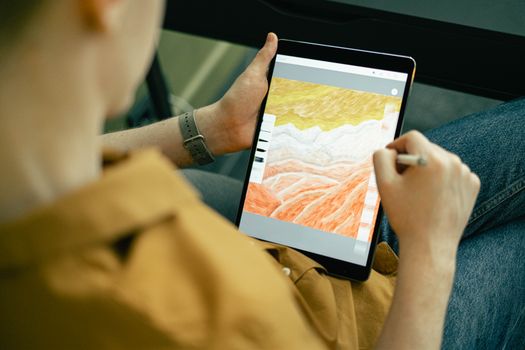 Photo: Ivan S / Pexels
 Photo: Annushka Ahuja / Pexels
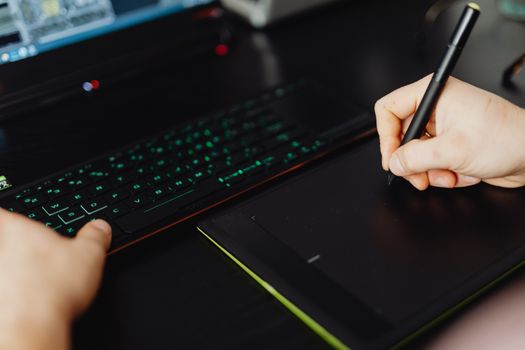 Photo: www.kaboompics.com / Pexels
 Photo: Andrea Piacquadio / Pexels