✓ Watercolor paints are categorized as either 'artist grade' or 'student grade,' impacting pigment concentration and lightfastness.
✓ Pan sets are convenient for travel and outdoor painting, while tube paints offer higher pigment concentration and are ideal for larger washes.
✓ Lightfastness ratings (e.g., ASTM D4302) are crucial for ensuring your artwork retains its color over time.
✓ Understanding pigment information, such as single pigment vs. mixed pigment, helps in color mixing and achieving vibrant results.
How It Works
1
Assess Your Skill Level & Needs
Determine if you're a beginner, intermediate, or professional artist. Consider your typical painting projects and desired outcomes.
2
Choose Paint Type (Pans vs. Tubes)
Decide between the portability of pan sets or the intense color and volume of tube paints. Many artists use a combination of both.
3
Research Brands & Grades
Explore reputable brands for both student and artist-grade paints. Read reviews and compare pigment quality, lightfastness, and price points.
4
Consider Additional Supplies
Think about brushes, paper, and palettes that complement your chosen paint set. A good set of supporting tools enhances the painting experience.
Understanding Watercolor Grades and Pigment Quality
Photo: Pavel Danilyuk / Pexels
When you decide to buy watercolor paint sets, one of the most critical distinctions you'll encounter is between 'artist grade' and 'student grade' paints. This isn't merely a marketing ploy; it represents a significant difference in quality, performance, and longevity. Artist-grade watercolors, also known as professional watercolors, are formulated with a higher concentration of finely ground pigments. This results in more vibrant colors, greater tinting strength, and superior lightfastness. Lightfastness refers to a paint's ability to resist fading when exposed to light over time. For artists creating works intended for exhibition or sale, or simply wishing to preserve their art, high lightfastness is paramount. These paints often use single pigments, which means each color is made from one specific pigment rather than a blend. This purity leads to cleaner, more predictable color mixing and reduces the risk of muddying colors on your palette. While artist-grade sets come with a higher price tag, the investment is justified by their exceptional performance and archival qualities.
On the other hand, student-grade watercolors are designed to be more affordable and accessible, making them an excellent choice for beginners, hobbyists, or those who paint frequently and use a lot of paint. They typically contain less pigment and more fillers or binders, which can result in less vibrant colors, lower tinting strength, and sometimes, reduced lightfastness. Often, student-grade sets use mixed pigments to achieve certain hues, which can make color mixing slightly less straightforward. However, the quality of student-grade paints has improved significantly over the years, with many brands offering surprisingly good performance for their price point. For someone just starting their watercolor journey or experimenting with new techniques, a student-grade set is a wise initial investment. It allows you to practice and develop your skills without the financial pressure of using expensive materials. Understanding these grades is the first step in making an informed decision when you shop for art supplies, ensuring your purchase aligns with your artistic goals and budget. Always check the labels for lightfastness ratings and pigment information, regardless of the grade, to make the best choice.
Pan Sets vs. Tube Paints: Which Format is Right for You?
Photo: betül nur akyürek / Pexels
The choice between pan sets and tube paints is another fundamental decision when you buy watercolor paint sets. Each format offers distinct advantages and disadvantages, making them suitable for different artistic approaches and situations. Watercolor pan sets consist of dried cakes of paint housed in a palette, often with mixing wells. They are incredibly convenient for travel, plein air painting, or quick sketches, as they are compact and require minimal setup. To use them, you simply activate the dry paint with a wet brush. This makes them ideal for artists who prefer to work spontaneously or in various locations. Pan sets are also excellent for beginners as they encourage controlled paint application and teach you how to build up layers gradually. The colors in pan sets tend to be more diluted when activated, making them perfect for delicate washes and subtle layering. However, achieving very intense, opaque colors can be more challenging with pan paints, and they might require more effort to load a brush with a strong pigment concentration for large areas.
Tube watercolors, conversely, offer a highly concentrated form of paint. They come in small tubes, similar to oil or acrylic paints, and contain a moist, liquid consistency. This high pigment load means that a small amount of paint goes a long way, providing intense, vibrant colors directly from the tube. Tube paints are particularly favored by professional artists or those who work on larger canvases, require rich, saturated colors, or frequently use large washes. They allow for easy mixing of custom colors on a separate palette and provide excellent tinting strength. While tube paints offer superior color intensity and are often more economical in the long run due to their concentration, they are less portable than pan sets. They require a separate palette for mixing and can be prone to drying out if not properly sealed after use. Many artists find a balance by owning both: a pan set for travel and quick studies, and a selection of tube paints for studio work and specific projects requiring intense color. Your personal workflow and the nature of your projects will ultimately guide your preference when you buy watercolor paint sets in either format.
Essential Considerations When You Buy Watercolor Paint Sets
Photo: Pavel Danilyuk / Pexels
Beyond the grade and format, several other factors are crucial to consider when you decide to buy watercolor paint sets to ensure you get the best value and performance for your artistic needs. One paramount aspect is the selection of colors within the set. While a large number of colors might seem appealing, a smaller set of high-quality, single-pigment primary and secondary colors often provides more versatility. With a foundational set, you can learn to mix a vast array of hues, deepening your understanding of color theory and improving your painting skills. Look for sets that clearly label the pigments used (e.g., PY3 for Hansa Yellow, PB29 for Ultramarine Blue) and their lightfastness ratings, typically indicated by stars or an ASTM rating. This information empowers you to make informed decisions about the longevity and mixing properties of each color. Some sets might include convenience colors, which are pre-mixed hues. While these can save time, they often comprise multiple pigments, which can lead to muddier mixes if not understood.
Another vital consideration is the accompanying accessories. Some watercolor paint sets, especially those marketed towards beginners or students, come with brushes, a palette, and even paper. While these can be convenient, the quality of these included extras can vary significantly. Often, the brushes provided in entry-level sets are of lower quality and may not offer the precision or water retention needed for advanced techniques. Similarly, the paper might be thin and buckle easily. If you're investing in a good quality paint set, it's often better to purchase brushes and paper separately to ensure they meet your specific needs and quality expectations. A good quality watercolor brush and appropriate paper (at least 140lb/300gsm) can dramatically enhance your painting experience, even with student-grade paints. Finally, consider the brand's reputation. Established brands like Winsor & Newton, Daniel Smith, Schmincke, and Sennelier are renowned for their quality and consistency. Reading reviews and watching demonstrations from other artists can provide valuable insights into a brand's performance. Making a thoughtful choice when you buy watercolor paint sets will set you up for a more enjoyable and successful artistic journey. Remember, the right tools can truly elevate your creative process and the final outcome of your artwork. For more comprehensive guides on selecting art materials, explore artist resources and reviews.
Tips for Maximizing Your Watercolor Paint Set Investment
Photo: Boris Hamer / Pexels
Once you've decided to buy watercolor paint sets, understanding how to properly care for and utilize your new supplies will ensure longevity and optimal performance. Here are some invaluable tips:
* **Proper Storage is Key:** Store your watercolor paints, especially pan sets, in a cool, dry place away from direct sunlight. This prevents pans from cracking and tubes from drying out prematurely. Ensure tube caps are tightly secured after each use.
* **Clean Your Palette Regularly:** After each painting session, clean your mixing palette thoroughly. Dried paint can make future mixing difficult and contaminate new colors. For pan sets, gently wipe down the pan surfaces if they become muddy.
* **Conserve Your Tubes:** When using tube paints, squeeze out only a small amount onto your palette at a time. You can always add more, but excess paint squeezed directly onto the palette and allowed to dry is often wasted.
* **Reactivate Dried Tube Paints:** If you've squeezed out tube paint onto a palette and it has dried, don't throw it away! Most watercolor tube paints can be reactivated with a few drops of water, just like pan paints. This is a fantastic way to minimize waste.
* **Understand Pigment Load:** With artist-grade paints, remember that a little goes a long way. Their high pigment concentration means you often need less paint to achieve vibrant color. Experiment to find the right water-to-paint ratio.
* **Test on Scrap Paper:** Always test your colors and mixes on a scrap piece of the same watercolor paper you're using for your final artwork. This helps you anticipate how the color will appear and dry, as watercolors often dry lighter.
* **Explore Color Mixing:** Don't be afraid to experiment with mixing your own colors. Even with a limited palette, you can create an endless spectrum of hues. This practice will significantly improve your understanding of color theory and add a unique touch to your art.
* **Invest in Quality Brushes:** While the paint set is important, good brushes are equally critical. Quality brushes hold more water and paint, offer better control, and can last for years with proper care. Clean them gently and reshape them after each use.
By following these tips, you'll not only extend the life of your watercolor paint sets but also enhance your overall painting experience, allowing you to create beautiful, lasting artwork.
Comparison
Feature
Artist Grade (e.g., Daniel Smith)
Student Grade (e.g., Cotman)
Pan Sets (General)
Pigment Concentration
High
Moderate/Low
Moderate
Lightfastness
Excellent (often single pigments)
Good (some mixed pigments)
Varies by brand/grade
Vibrancy
Superior
Good
Good
Portability
Low (tubes)
Moderate (tubes/pans)
High
Cost
High
Low/Moderate
Moderate
Mixing Purity
✓
✗ (can be muddy)
✓ (if single pigments)
Ideal For
Professionals, Archival Work
Beginners, Practice
Travel, Plein Air
What Readers Say
★★★★★
"I was hesitant to buy watercolor paint sets online, but this guide helped me pick the perfect artist-grade tubes. The colors are incredibly vibrant and mix beautifully. My artwork has truly transformed!"
Sophia R. · Portland, OR
★★★★★
"As a beginner, I needed a good starting point. This resource pointed me to an excellent student-grade pan set. It's portable, easy to use, and I'm loving learning the ropes without breaking the bank."
David L. · Austin, TX
★★★★★
"After reading the comparison, I decided to invest in a quality pan set for my outdoor sketches. The convenience is unmatched, and the lightfastness ensures my travel journals will last for years."
Elena K. · Miami, FL
★★★★★
"The information on pigment quality was really helpful. I bought a new set of tubes based on the advice, and while the colors are fantastic, I wish I'd also grabbed a better mixing palette alongside it."
Marcus P. · Chicago, IL
★★★★★
"I used to think all watercolors were the same. This guide completely changed my perspective on where to buy watercolor paint sets. My botanical illustrations have never looked more professional thanks to the artist-grade recommendations."
Jessica M. · Denver, CO
Frequently Asked Questions
What is the best watercolor paint set for beginners?
For beginners, a student-grade pan set is often recommended. These sets are affordable, easy to use, and portable, allowing you to practice techniques without significant investment. Look for brands like Winsor & Newton Cotman or Sakura Koi for good quality at an accessible price point.
Are expensive watercolor paints really worth it?
Yes, for serious artists or those creating archival works, expensive artist-grade watercolors are generally worth the investment. They offer higher pigment concentration, superior lightfastness, and better mixing properties, leading to more vibrant, lasting artwork. However, student-grade paints are excellent for practice and casual use.
How do I choose between pan watercolors and tube watercolors?
Choose pan watercolors for portability, convenience, and delicate washes, ideal for travel or quick sketches. Opt for tube watercolors when you need intense, saturated colors for larger areas, strong washes, or for studio work where you can mix custom palettes. Many artists use both for different purposes.
What should I look for in terms of color selection when buying a set?
Prioritize quality over quantity. A smaller set of high-quality, single-pigment primary and secondary colors allows for greater mixing versatility and cleaner hues. Avoid sets with too many 'convenience' colors that are often multi-pigment blends and can lead to muddy mixes.
Is lightfastness important when I buy watercolor paint sets?
Absolutely. Lightfastness indicates how resistant a paint is to fading over time when exposed to light. For any artwork you wish to preserve or sell, high lightfastness ratings (often ASTM I or II) are crucial. Otherwise, your beautiful creations may lose their vibrancy over months or years.
Who should buy watercolor paint sets with a limited palette?
Artists of all levels can benefit from a limited palette, especially those focused on learning color theory and mixing. It forces you to understand how colors interact, leading to a deeper comprehension of your medium and more harmonious color schemes in your paintings. It's an excellent challenge for growth.
Are there any health or safety concerns with watercolor paints?
Most modern watercolor paints, especially those from reputable brands, are non-toxic and safe for general use. However, some pigments can be toxic if ingested or handled improperly. Always check product labels for safety information, especially if working with children, and practice good studio hygiene, such as not eating or drinking while painting.
What is the future trend for watercolor paint sets?
The trend is towards increased transparency in pigment information, greater emphasis on sustainable and eco-friendly manufacturing processes, and the continued innovation of unique pigments and granulation effects. We're also seeing more specialized sets catering to specific artistic styles or botanical illustration, offering curated color selections.
Ready to elevate your art? Use this comprehensive guide to confidently buy watercolor paint sets that perfectly match your skill, style, and budget. Unleash your creativity today and start painting masterpieces!

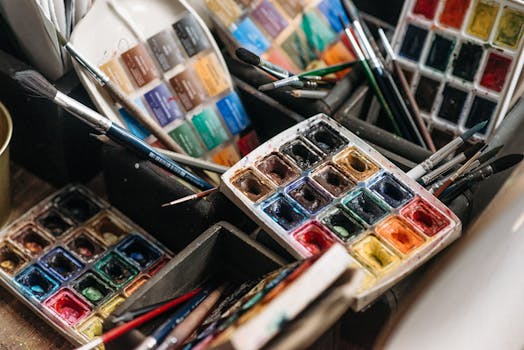 Photo: Pavel Danilyuk / Pexels
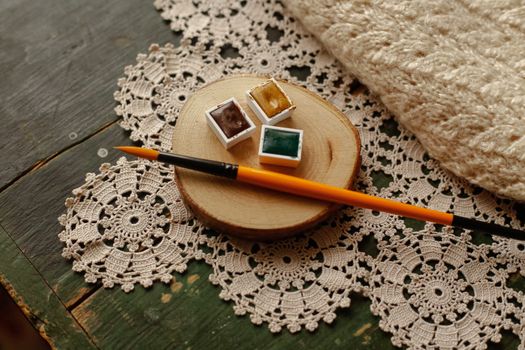 Photo: betül nur akyürek / Pexels
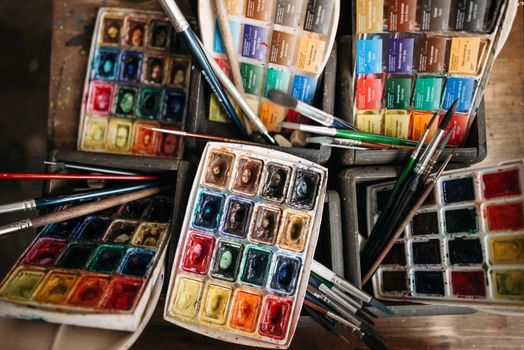 Photo: Pavel Danilyuk / Pexels
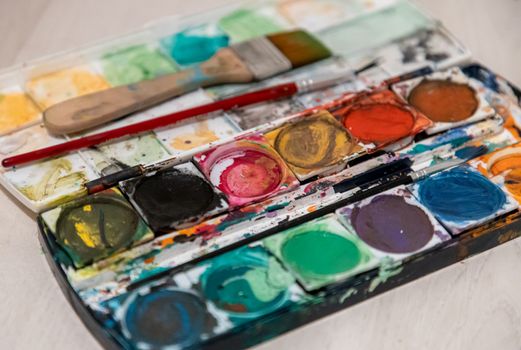 Photo: Boris Hamer / Pexels