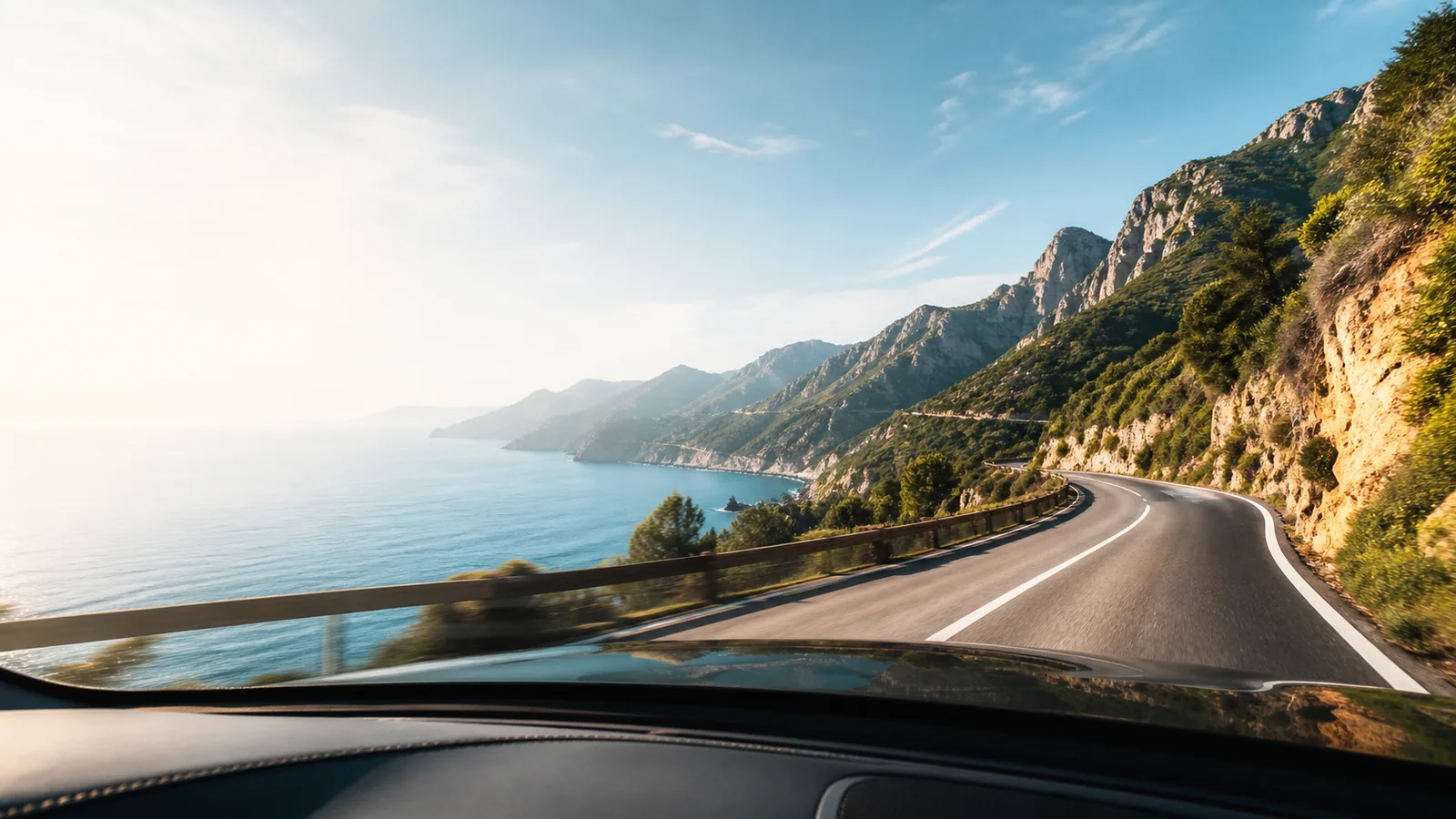
Exploring Different Types of Photography Art
different types of photography art

Exploring Different Types of Photography Art

Dive into the rich tapestry of photographic expression and discover the artistic realms awaiting your lens.

Start Your Artistic Journey

Key Takeaways

  • ✓ Photography encompasses a vast spectrum of artistic styles, each with unique techniques and philosophies.
  • ✓ Understanding different genres enhances appreciation and informs personal artistic development.
  • ✓ From documentary to abstract, photography serves as a powerful medium for storytelling and expression.
  • ✓ Technological advancements continue to expand the possibilities within photographic art forms.

How It Works

1
Identify Your Interest

Begin by exploring various photography art types to see which resonate most with your aesthetic and creative goals. Consider what stories you want to tell or emotions you wish to evoke.

2
Study Masterworks

Immerse yourself in the works of renowned photographers within your chosen genres. Analyze their compositions, lighting, and subject matter to gain inspiration and technical insight.

3
Experiment with Techniques

Actively practice and experiment with the specific techniques associated with different types of photography art. This hands-on approach is crucial for developing your unique style and mastery.

4
Seek Feedback and Refine

Share your work with peers or mentors to receive constructive criticism. Use this feedback to refine your vision and improve your artistic output, pushing the boundaries of your creative expression.

The Foundations of Artistic Photography Genres

Photography, often considered a relatively young art form compared to painting or sculpture, has rapidly evolved into a multifaceted medium for artistic expression. At its core, artistic photography transcends mere documentation; it seeks to evoke emotion, challenge perspectives, and create a visual narrative that resonates with the viewer. Understanding the different types of photography art begins with recognizing this fundamental shift from utility to artistry. Early pioneers like Alfred Stieglitz and Edward Steichen championed photography's place in the art world, pushing boundaries and establishing it as a legitimate form of creative endeavor. Today, the landscape is richer and more diverse than ever, with countless photographers exploring unique avenues to express their vision. One of the most foundational genres is Fine Art Photography. This category is broad, but generally refers to photographs created in accordance with the vision of the artist as a photographer. The intent is to express an idea, a message, or an emotion. This often contrasts with documentary photography, which aims to record reality objectively. Fine art photographers might manipulate light, composition, and even the subject matter to achieve their artistic goals. They often print their work on high-quality archival materials and exhibit it in galleries, much like traditional painters. The subject matter can range from landscapes and portraits to abstract compositions, but the defining characteristic is the artist's personal interpretation and expression. It’s about more than just capturing an image; it’s about crafting an experience. Another significant area is Conceptual Photography, where the idea or concept behind the image is paramount. The photograph serves as a visual representation of a thought, a philosophy, or a story. The final image is often meticulously planned and constructed to convey a specific message, rather than being a spontaneous capture. Artists working in this genre might use symbolism, surrealism, or metaphorical imagery to communicate complex ideas. This type of photography demands intellectual engagement from both the creator and the viewer, often inviting multiple interpretations. It pushes the boundaries of what a photograph can be, moving beyond aesthetics to provoke thought and discussion. Street Photography, while sometimes overlapping with documentary, often possesses a strong artistic element. It involves capturing candid moments of life in public places, often focusing on human interaction, urban landscapes, and unique juxtapositions. The art in street photography lies in the photographer's ability to observe, anticipate, and frame compelling narratives from the fleeting chaos of everyday life. It requires quick reflexes, keen observation, and a profound understanding of human nature. Iconic street photographers like Henri Cartier-Bresson emphasized the 'decisive moment,' that perfect instant when all elements converge to create a powerful image. This genre celebrates authenticity and the beauty found in the mundane. For more insights into artistic expression, explore various art forms.

Exploring Specialized and Avant-Garde Photographic Styles

Beyond the foundational genres, the world of photography art expands into numerous specialized and avant-garde styles, each offering unique creative opportunities. One such compelling category is Abstract Photography. This style focuses on form, color, texture, and line, divorcing subjects from their literal representation to create images that are open to interpretation. Abstract photographers often find beauty in patterns, reflections, or close-up details that might be overlooked in a broader context. The goal is to evoke feeling and visual interest through composition alone, challenging the viewer to see the world in a new, non-representational way. It’s a powerful testament to the idea that art doesn't always need a clear subject to be impactful. Surreal Photography takes inspiration from the Surrealist art movement, aiming to create dreamlike, illogical, or impossible scenes. These photographs often blend reality with fantasy, using techniques like photomontage, digital manipulation, or staged scenarios to construct bizarre and thought-provoking images. The intent is to tap into the subconscious mind, exploring themes of dreams, desires, and the uncanny. Artists like Man Ray were pioneers in this field, using experimental darkroom techniques to create otherworldly visuals. Modern surreal photographers often leverage digital tools to achieve even more complex and fantastical compositions, blurring the lines between what is real and what is imagined. Environmental Portraiture is another distinct and artistic form. Unlike traditional studio portraits, environmental portraits capture subjects in their natural surroundings, often places that are significant to their identity, profession, or passion. The environment itself becomes a crucial element of the portrait, telling a story about the individual and their relationship to their world. This style requires a keen eye for both character and context, ensuring that the setting enhances, rather than distracts from, the subject. It's a powerful way to convey personality and narrative through a single image. Documentary Photography and Photojournalism, while primarily focused on reporting reality, often cross into the realm of art through their compelling visual storytelling and profound emotional impact. While their primary purpose is to inform, the best documentary photographers imbue their work with artistic sensitivity, using composition, light, and timing to create images that are not only informative but also deeply moving and aesthetically powerful. The art lies in their ability to capture human experience with empathy and skill, creating enduring records that resonate across time. Think of iconic images that have shaped public perception and understanding – these are often the result of photojournalists operating at the pinnacle of their craft, turning reportage into art.

Innovative Techniques and Emerging Forms of Photographic Art

The evolution of technology and creative thinking continuously introduces innovative techniques and emerging forms within the different types of photography art. Long Exposure Photography, for instance, transforms dynamic elements like water, clouds, or light trails into ethereal, painterly streaks. By leaving the camera's shutter open for an extended period, photographers can capture motion in a way that the human eye cannot perceive, creating images that are both serene and surreal. This technique requires careful planning, stable equipment, and an understanding of light, often resulting in breathtaking landscapes or cityscapes that transcend ordinary vision. It's a perfect example of how technical mastery can unlock new artistic dimensions. Another increasingly popular and artistic approach is Astrophotography. This specialized genre focuses on capturing celestial objects and phenomena, from the Milky Way and distant galaxies to meteors and lunar eclipses. It combines technical precision with a profound appreciation for the cosmos, often requiring specialized equipment and advanced post-processing techniques. The resulting images are not only scientifically fascinating but also deeply awe-inspiring, connecting viewers to the vastness and beauty of the universe. Astrophotography pushes the boundaries of what cameras can see, revealing wonders hidden to the naked eye. Mixed Media Photography blurs the lines between photography and other art forms. Artists might print photographs on unconventional surfaces, embellish them with paint, textiles, or found objects, or integrate them into sculptural installations. This approach allows for greater tactile and conceptual depth, transforming a two-dimensional image into a multi-sensory experience. It challenges traditional notions of what a photograph should be, opening up endless possibilities for creative hybridizations. This genre encourages experimentation and a departure from conventional artistic boundaries. Furthermore, the rise of drone photography has introduced an entirely new perspective to artistic expression. Aerial views provide unique compositional opportunities, transforming familiar landscapes into abstract patterns or revealing grand scales previously inaccessible. From architectural studies to environmental art, drones allow photographers to capture breathtaking vistas and intricate geometries from above, offering a fresh visual language. This technology has democratized aerial imagery, enabling more artists to explore the world from a bird's-eye view. For those interested in the broader spectrum of creative endeavors, exploring diverse artistic practices can provide further inspiration.

Mastering Artistic Photography: Tips and Common Pitfalls

Embarking on a journey through the different types of photography art requires not only an understanding of genres but also a commitment to mastering the craft and avoiding common pitfalls. Here are some essential tips for aspiring and established artistic photographers: * **Develop Your Unique Vision:** Don't just replicate what others do. Spend time understanding what truly inspires you, what stories you want to tell, and what emotions you wish to convey. Your unique perspective is your most valuable artistic asset. Experiment with different subject matters, lighting conditions, and compositional approaches to find your voice. * **Master the Technical Fundamentals:** While art is about expression, a solid grasp of exposure, focus, composition, and lighting is crucial. Technical proficiency allows you to translate your artistic vision into a tangible image without being limited by camera settings or environmental challenges. Understand your equipment inside and out. * **Study Art History Beyond Photography:** Look at paintings, sculptures, and other visual arts for inspiration on composition, color theory, and storytelling. Many principles of classical art are directly applicable to photography and can elevate your work. * **Embrace Post-Processing as an Artistic Tool:** Modern photography art often involves digital darkroom techniques. Learn editing software not just for correction, but for enhancing mood, refining colors, and shaping the final artistic statement. View it as an extension of your creative process, not merely a fix-it tool. * **Seek and Embrace Constructive Criticism:** Share your work with trusted peers, mentors, or online communities. Be open to feedback, as it can highlight areas for improvement and offer new perspectives on your work. Differentiate between subjective preference and actionable advice. **Common Pitfalls to Avoid:** * **Over-reliance on Gear:** While good equipment helps, it doesn't make an artist. Focus on your eye and skill rather than constantly chasing the latest camera body or lens. Artistic vision precedes technical specifications. * **Lack of Patience:** Artistic photography often requires waiting for the right light, the perfect moment, or the ideal subject. Rushing can lead to missed opportunities and subpar results. * **Ignoring the Story/Emotion:** A technically perfect photo without a compelling narrative or emotional resonance often falls flat. Always ask yourself: what am I trying to communicate? * **Excessive Post-Processing:** While editing is key, over-processing can make an image look artificial or detract from its natural beauty. Strive for a balance that enhances, rather than overwhelms, the original capture. * **Fear of Experimentation:** Don't be afraid to try new techniques, break rules, or step outside your comfort zone. Growth in art comes from pushing boundaries and embracing the unknown.

Comparison

FeatureFine Art PhotographyDocumentary PhotographyAbstract Photography
Primary GoalArtist's expressionObjective realityForm, color, texture
Subject MatterVaried, conceptualReal-world eventsNon-representational
Emotional ImpactDeeply personalInformative, empatheticSensory, interpretive
Manipulation Allowed✓ Extensive✗ Minimal✓ Extensive

What Readers Say

"This guide truly opened my eyes to the incredible breadth of different types of photography art. I used to think it was all just portraits and landscapes, but now I'm inspired to explore conceptual and surreal styles myself!"

Sarah J. · Austin, TX

"As an aspiring photographer, understanding these artistic genres is invaluable. The detailed descriptions for each type of photography art have given me clear directions for my creative journey."

Mark D. · Seattle, WA

"The section on innovative techniques for different types of photography art was fantastic! I immediately tried long exposure with my camera and achieved results I never thought possible, thanks to the inspiration here."

Emily R. · Miami, FL

"A very comprehensive article on different types of photography art. While some sections felt a bit dense, the overall depth and actionable tips make it a must-read for anyone serious about photographic artistry."

David L. · Denver, CO

"I'm a painter, but this article on different types of photography art has given me so much appreciation for photography as a fine art. It's inspired me to incorporate photographic elements into my mixed media pieces."

Jessica M. · Chicago, IL

Frequently Asked Questions

What is the main difference between fine art photography and documentary photography?

The primary distinction lies in intent. Fine art photography prioritizes the artist's personal vision, emotion, and expression, often manipulating reality to convey a message. Documentary photography, conversely, aims to objectively capture and report on real-world events or subjects, with the goal of informing or raising awareness, though it can still possess artistic merit.

Do I need expensive equipment to create different types of photography art?

No, absolutely not. While professional gear can offer certain advantages, artistic photography is fundamentally about vision, creativity, and technique, not the cost of your camera. Many iconic images were created with simple equipment. Focus on understanding light, composition, and your chosen artistic style, and you can create powerful art with even a smartphone.

How can I develop my unique artistic style in photography?

Developing a unique style involves a combination of consistent practice, critical self-reflection, and continuous learning. Experiment with various genres and techniques, analyze works by artists you admire, and most importantly, shoot what genuinely interests and moves you. Over time, your personal preferences in subject, light, and composition will naturally coalesce into a distinct style.

Is digital manipulation acceptable in artistic photography?

Yes, in many types of photography art, digital manipulation is not only acceptable but often an integral part of the creative process. Genres like conceptual, surreal, and abstract photography frequently rely on post-processing to achieve their artistic vision. The key is that the manipulation serves the artistic intent and is not used to deceptively alter facts in contexts like photojournalism.

How does street photography differ from photojournalism?

While both capture candid moments in public, street photography typically focuses on artistic expression, capturing the human condition, interesting juxtapositions, or aesthetic beauty in everyday life without a specific news agenda. Photojournalism, on the other hand, is driven by reporting news and events, aiming to convey factual information and often accompanying a written story, though it can still be highly artistic.

Who should explore different types of photography art?

Anyone with a passion for visual storytelling, a desire for creative expression, or an interest in exploring the world through a unique lens should delve into different types of photography art. It's suitable for hobbyists, aspiring professionals, and even seasoned artists from other mediums looking for a new form of expression.

What are the risks of sticking to only one type of photography art?

The main risk is limiting your creative growth and potential. While specialization has its benefits, exclusively focusing on one genre can lead to artistic stagnation and a narrow perspective. Exploring different types of photography art can introduce you to new techniques, compositional ideas, and ways of seeing, ultimately enriching your primary photographic practice.

What future trends are emerging in artistic photography?

Future trends in artistic photography are likely to include further integration of AI-generated elements, advanced virtual and augmented reality experiences, and increased exploration of ethical considerations in AI-assisted imagery. Expect more immersive and interactive photographic installations, as well as continued innovation in drone and computational photography.

Embark on your own creative journey through the diverse world of different types of photography art. Let this guide inspire you to pick up your camera, explore new genres, and express your unique artistic vision. The possibilities are endless – start capturing your art today.

Topics: different types of photography artfine art photographyphotographic genresartistic photography stylesphotography as art
Leo List

DK Escorts LU Escorts AT Escorts SE Escorts FI Escorts CH Escorts DE Escorts HR Escorts IE Escorts GR Escorts CZ Escorts NO Escorts BE Escorts FR Escorts SI Escorts IL Escorts NL Escorts PL Escorts HU Escorts ES Escorts IT Escorts PT Escorts SK Escorts RO Escorts ZA Escorts UY Escorts US Escorts UK Escorts NZ Escorts AU Escorts
Brampton weed
Adultwork EstrelaBet Vai de Bet R7 Bet Betão Galera Bet Rainbet Bet9ja Shop SportyBet BetKing Sisal Loto Foot Hollywoodbets YesPlay Odibets RushBet Jugabet BetWarrior BetCity MSport betPawa Fortebet