
Essential Art Supplies for Oil Painting Beginners
Unlock your artistic potential with the right tools, making your first oil painting experience enjoyable and rewarding.
Start Painting NowKey Takeaways
- ✓ Quality over quantity is crucial for beginner oil paints.
- ✓ Acrylic gesso is a versatile primer for various surfaces.
- ✓ Natural hair brushes are ideal for oil painting due to their absorbency.
- ✓ Odorless mineral spirits are safer alternatives to turpentine for cleaning.
How It Works
Select a limited but versatile range of primary and secondary oil paint colors. This helps in understanding color mixing without being overwhelmed.
Invest in a few good quality brushes in different shapes and sizes. Prepare your canvas or painting surface with gesso for optimal paint adhesion.
Ensure good ventilation and protect your work area from spills. Have your palette, mediums, and cleaning supplies organized and within reach.
Experiment with color mixing, brushstrokes, and layering on scrap surfaces. This builds confidence before tackling your first masterpiece.
Demystifying Oil Paints: Your First Pigments
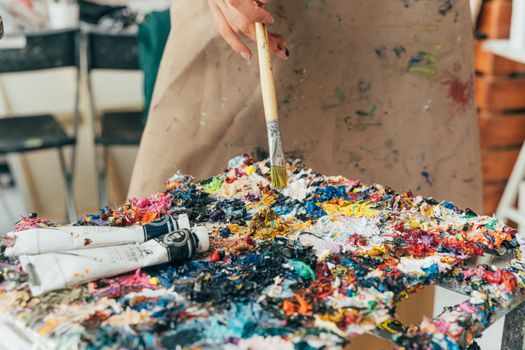 Photo: Adventure Studio / Pexels
Brushes, Palettes, and Solvents: Essential Tools
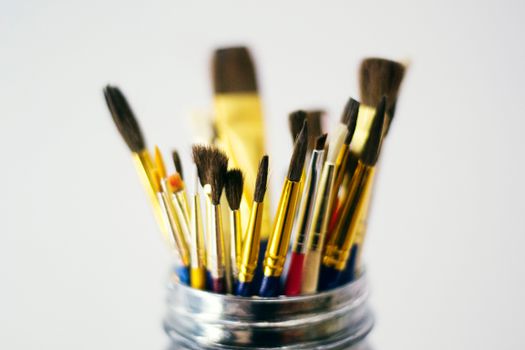 Photo: Em Hopper / Pexels
Surfaces and Studio Setup: Creating Your Canvas
 Photo: Ulrick Trappschuh / Pexels
Essential Accessories and Common Beginner Mistakes to Avoid
 Photo: Cup of Couple / Pexels
Comparison
| Feature | Best Beginner Option | Mid-Range Option | Professional Option |
|---|---|---|---|
| Paint Quality | Student Grade (Winsor & Newton Winton) | Artist Grade (Gamblin 1980) | Artist Grade (Michael Harding) |
| Brushes | Synthetic/Hog Bristle Starter Set | Individual Natural/Synthetic Blend | Kolinsky Sable/Premium Hog Bristle |
| Palette | Disposable Paper Palette Pad | Wood or Glass Palette | Large Glass or Custom Wood Palette |
| Solvent | Odorless Mineral Spirits | Eco-Friendly Solvents | Turpentine (with ventilation) |
| Surface | Canvas Boards/Pads | Pre-Stretched Cotton Canvas | Linen Canvas/Wood Panels |
| Medium | Linseed Oil / Alkyd Medium | Stand Oil / Venice Turpentine | Specialty Resin Mediums |
What Readers Say
"As a complete novice, finding the right art supplies for oil painting beginners felt overwhelming. This guide helped me pick a fantastic starter set of paints and brushes that made my first attempts enjoyable, not frustrating!"
Sarah J. · Austin, TX"I loved the advice on limited palettes. Focusing on mixing colors with just a few tubes really improved my understanding of color theory, which is something I struggled with before."
Mark D. · Chicago, IL"The recommendation for odorless mineral spirits was a game-changer! My small apartment studio now smells much better, allowing me to paint more frequently and with greater comfort."
Emily R. · Portland, OR"Great comprehensive overview. While I found some of the brush recommendations a bit generic, the overall guidance on setting up a safe workspace and avoiding common pitfalls was incredibly valuable."
David L. · Miami, FL"I used to think oil painting was too messy, but this article's tips on proper cleanup and organization for art supplies for oil painting beginners made it much more manageable than I expected. I'm actually finishing pieces now!"
Jessica M. · Denver, COFrequently Asked Questions
What is the absolute minimum I need to start oil painting?
To start oil painting, you minimally need a few tubes of oil paint (white, red, yellow, blue), a couple of brushes (one larger, one smaller), a small primed surface (like a canvas board), odorless mineral spirits for thinning and cleaning, and a palette for mixing. This basic kit allows you to explore the medium without significant upfront investment.
Is oil painting too difficult for a complete beginner?
Absolutely not! While oil painting has its unique characteristics, its slow drying time makes it very forgiving for beginners. You have ample time to blend, correct mistakes, and refine your work, which can be less stressful than faster-drying mediums like acrylics. With the right basic supplies and a willingness to experiment, anyone can learn.
How do I clean my oil painting brushes effectively?
To clean oil painting brushes, first wipe off excess paint with a rag or paper towel. Then, swirl the brush in a container of odorless mineral spirits to dissolve the remaining paint. Finally, wash the brush thoroughly with warm water and mild soap (like brush cleaner soap or even dish soap) until all paint residue is gone. Reshape the bristles and lay them flat to dry.
How much should I expect to spend on art supplies for oil painting beginners?
The cost can vary widely, but a decent starter set of art supplies for oil painting beginners can range from $50 to $150. This typically includes a student-grade paint set, a few brushes, a palette, some canvas boards, and solvents. Investing a bit more in quality supplies upfront can lead to a more enjoyable and less frustrating experience.
What's the difference between student-grade and artist-grade oil paints?
Student-grade oil paints contain less pigment and more filler, making them more affordable but with potentially less vibrant color and coverage. Artist-grade paints have a higher concentration of pure pigment, resulting in richer, more intense colors, better lightfastness, and a smoother consistency. For beginners, student-grade is fine to learn with, but artist-grade offers a superior experience once you're ready to upgrade.
Who should consider oil painting as a hobby?
Oil painting is ideal for anyone who enjoys a deliberate, contemplative artistic process and appreciates rich, vibrant colors and textures. It's particularly suited for individuals who don't mind a slower pace, enjoy blending, and are patient with drying times. If you're looking for a medium with depth and historical significance, oil painting is a fantastic choice.
Are there any safety concerns with oil painting supplies?
Yes, some oil painting supplies can pose safety concerns. Turpentine and certain mediums can emit strong fumes and are flammable, requiring good ventilation. Some pigments contain heavy metals (e.g., Cadmium, Cobalt) and should not be ingested; always wash your hands thoroughly. Using odorless mineral spirits and working in a well-ventilated area significantly reduces risks for beginners.
What's a common trend for beginner oil painters to try?
A popular trend for beginner oil painters is exploring alla prima (wet-on-wet) techniques, where a painting is completed in one sitting before the paint dries. This encourages spontaneity and bold brushstrokes. Another trend is focusing on limited color palettes to deeply understand color mixing, leading to more harmonious and sophisticated results.
Ready to bring your creative visions to life? Armed with the right art supplies for oil painting beginners, you have everything you need to embark on a fulfilling artistic journey. Don't wait – gather your tools, set up your space, and let your imagination flow onto the canvas today!