Your Guide on how to start painting for beginners Today!
August 25, 2026 15 min read 2,966 words
Embark on your creative journey and discover the joy of painting, even if you've never held a brush before.
Start Painting Now
Embarking on Your Artistic Journey: The Call of the Canvas
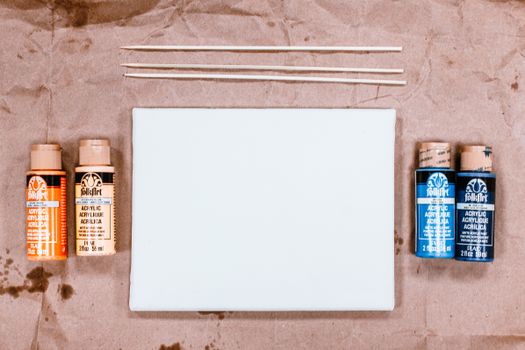 Photo: Luis Quintero / Pexels
For many, the thought of creating art with paint is both enticing and intimidating. You might gaze at masterpieces in galleries or admire vibrant street art, wondering, "Could I ever do that?" The resounding answer is yes! Learning how to start painting for beginners is not about innate talent, but about curiosity, patience, and a willingness to explore. It's a journey that begins with a single brushstroke, a splash of color, and the courage to make a mark. This comprehensive guide is designed to demystify the process, breaking down barriers and equipping you with the knowledge and confidence to pick up a brush and unleash your inner artist. We'll navigate the initial steps, from selecting your first set of supplies to understanding fundamental techniques, all while fostering a mindset that embraces experimentation and growth.
One of the biggest hurdles for aspiring painters is often the belief that they need to be 'naturally artistic' to even begin. This couldn't be further from the truth. Painting is a skill, much like playing a musical instrument or learning a new language, and skills are developed through practice, instruction, and perseverance. Every celebrated artist, no matter how renowned, started as a beginner. They experimented, made mistakes, learned from them, and refined their craft over countless hours. Your journey will be no different. The beauty of painting lies in its ability to be a highly personal and expressive medium. There's no single 'right' way to paint, and the joy often comes from the process of creation itself, rather than solely the finished product.
Before diving into the specifics of materials and techniques, it's crucial to cultivate the right mindset. Embrace the idea that mistakes are not failures, but valuable learning opportunities. Don't be afraid to create something that doesn't meet your initial expectations; every attempt brings you closer to understanding your medium and developing your unique style. Think of your initial paintings as experiments, explorations of color, form, and texture. This approach reduces pressure and allows for genuine creativity to flourish. Moreover, remember that painting can be a deeply meditative and therapeutic activity, offering a wonderful escape from the stresses of daily life. It provides an outlet for self-expression, allowing you to translate emotions, ideas, and observations onto a canvas. So, take a deep breath, shed any preconceived notions of perfection, and get ready to discover the fulfilling world of painting. The canvas awaits your unique vision, and this guide will show you exactly
how to start painting with confidence and joy.
Your First Palette: Essential Supplies for the Novice Painter
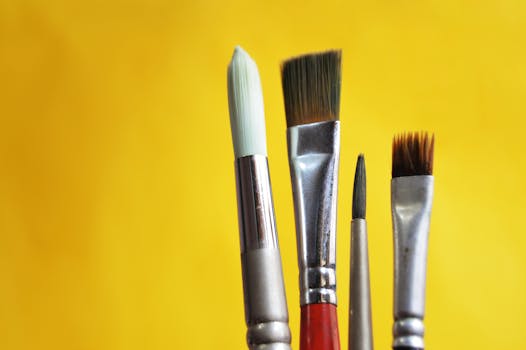 Photo: Miguel Á. Padriñán / Pexels
When you're first learning how to start painting for beginners, the sheer volume of available art supplies can be overwhelming. Don't let endless aisles of paints, brushes, and canvases deter you. The good news is that you don't need to break the bank or acquire every single item to begin. A carefully curated, basic set of supplies will suffice, allowing you to experiment without significant financial commitment. The key is to choose versatile items that offer a good balance of quality and affordability.
Let's start with paints. For beginners, acrylic paints are almost universally recommended. Why acrylics? They are water-soluble, meaning they clean up easily with soap and water, eliminating the need for harsh solvents. They dry relatively quickly, which allows for layering without long waiting periods, and they are incredibly versatile, adhering to a wide range of surfaces like canvas, paper, wood, and even fabric. Furthermore, acrylics are non-toxic, making them a safe choice for home use. While oil paints offer a rich, buttery texture and longer drying times for blending, and watercolors provide a delicate, translucent effect, their specific characteristics can present additional challenges for someone just starting out. Opt for a basic set of acrylics, perhaps a primary color set (red, blue, yellow) plus black and white. From these five colors, you can mix an astonishing array of hues.
Next, brushes. Again, resist the urge to buy a dozen different shapes and sizes. A beginner can get by with a small selection of versatile brushes. Look for a set that includes a few flat brushes (sizes like 1/2 inch, 1 inch) for broader strokes and covering larger areas, and a few round brushes (sizes like #4, #8) for details and finer lines. Synthetic brushes are generally excellent for acrylics, durable, and more affordable than natural hair brushes. Remember to clean your brushes thoroughly after each painting session to prolong their life and maintain their shape. A simple routine of rinsing with water and gentle soap will keep them in good condition.
For your painting surface, canvases are the classic choice, but you don't need expensive stretched canvases initially. Canvas panels or even thick, acid-free paper (like watercolor paper) are excellent, affordable alternatives for practice. A small sketchbook or pad of mixed-media paper can also be invaluable for quick studies and color mixing experiments. Other essential, yet often overlooked, tools include a palette (a simple plastic plate or an old ceramic tile works perfectly), a water container for rinsing brushes (an old yogurt cup or jar), and paper towels or a rag for wiping excess paint. With these fundamental items in hand, you are well-equipped to dive into the exciting world of color and form, ready to explore the endless possibilities that painting offers to the curious beginner.
Mastering the Basics: Fundamental Techniques for New Painters
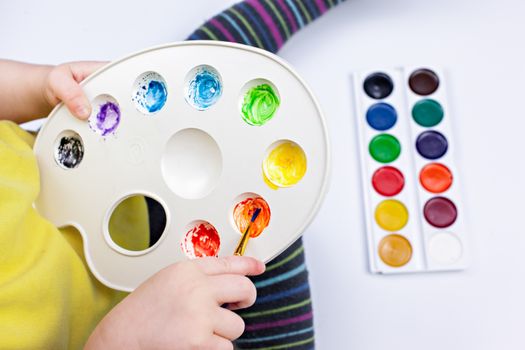 Photo: Julia Filirovska / Pexels
Once you've gathered your essential supplies, the next step in learning how to start painting for beginners is to familiarize yourself with some fundamental techniques. Don't worry about creating a masterpiece on your first try; the goal here is to understand how your materials behave and to build muscle memory. Think of these exercises as foundational building blocks that will support all your future artistic endeavors. Experimentation is key, so don't be afraid to get messy and try different approaches.
One of the first concepts to grasp is color mixing. Even with a limited palette of primary colors (red, blue, yellow) plus black and white, you can create a vast spectrum of hues. On your palette, try mixing small amounts of two primary colors to create secondary colors (red + yellow = orange, blue + yellow = green, red + blue = purple). Then, add a touch of white to lighten a color and create tints, or a touch of black to darken it and create shades. Observe how these changes affect the mood and vibrancy of the color. Understanding color theory is crucial for creating harmonious and impactful paintings. Practice mixing specific colors you see in photos or objects around you; this trains your eye to identify subtle color variations.
Next, focus on brush control and different brushstrokes. Pick up your flat brush and practice making long, even strokes across your practice surface. Vary the pressure to see how it affects the thickness and intensity of the line. Then, try dabbing and scrubbing motions. Switch to a round brush and practice finer lines, dots, and curves. The way you hold the brush, the amount of paint on it, and the angle at which it meets the surface all contribute to the marks you make. Don't aim for perfection, but rather for understanding the capabilities of each brush and how your hand movements translate into painted marks.
Layering is another critical technique, especially with acrylics. Because acrylics dry quickly, you can apply multiple layers of paint to build up depth, texture, and opacity. Start by painting a thin, even wash of color as a base layer. Once it's dry, apply another layer on top, perhaps with a slightly different shade or hue. Experiment with opaque layers (where the new color completely covers the old) and translucent layers (where the underlying color still shows through). This technique allows for complex color interactions and creates a sense of depth in your work. Finally, don't forget about texture. You can create texture by applying paint thickly (impasto), using a palette knife instead of a brush, or even by mixing mediums into your paint. Understanding these basic techniques will give you a solid foundation and empower you to tackle more complex subjects with confidence, opening up endless possibilities for your creative expression. Remember, every stroke is a step forward in your artistic journey, and the more you practice, the more intuitive and satisfying the process will become.
Learning these painting basics is essential.
Common Pitfalls and Pro Tips for Your First Paintings
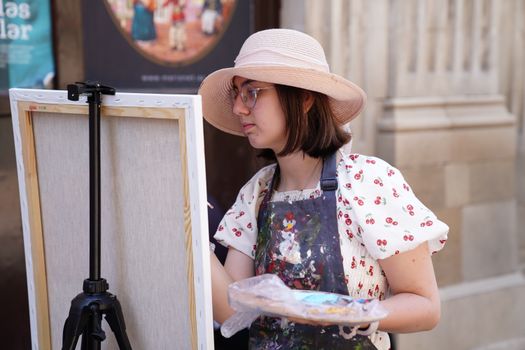 Photo: Tahir Xəlfəquliyev / Pexels
As you embark on your journey of how to start painting for beginners, it’s natural to encounter challenges and make mistakes. Recognizing common pitfalls and learning some pro tips early on can significantly smooth your learning curve and prevent frustration. Remember, every artist, regardless of their skill level, continues to learn and refine their approach, so view these points as guidance rather than strict rules.
**Common Pitfalls:**
* **Over-blending:** Beginners often try to blend colors too much, especially with acrylics, which can result in muddy, dull tones. Acrylics dry quickly, so swift, confident blending is key. Sometimes, it's better to let a layer dry and then glaze over it rather than trying to mix on the canvas endlessly.
* **Impatience:** Painting requires patience. Rushing through a piece, especially when waiting for layers to dry, can lead to smeared colors or an unfinished look. Embrace the process and allow yourself the time needed for each stage.
* **Over-reliance on tiny brushes for everything:** While detail brushes are important, many beginners use them for large areas, which is inefficient and can lead to a 'fussy' look. Use larger brushes for blocking in big shapes and backgrounds, and reserve smaller brushes for details.
* **Starting too complex:** Attempting a highly detailed portrait or a sprawling landscape as your very first painting can be demoralizing. Begin with simple subjects – a single fruit, a geometric shape, or a basic landscape with few elements. This allows you to focus on fundamental techniques without being overwhelmed by complexity.
* **Ignoring light and shadow:** Paintings often lack depth when light and shadow are not considered. Even in simple subjects, observing where light hits and creates shadows adds dimension and realism.
**Pro Tips for Beginners:**
* **Start with a limited palette:** As discussed, working with fewer colors forces you to learn color mixing thoroughly and creates more harmonious results. Expand your palette gradually as you gain confidence.
* **Work from dark to light (mostly):** While not a strict rule, applying darker tones first and then building up to lighter highlights is a common and effective strategy, especially with opaque paints like acrylics. This helps define forms.
* **Use reference photos:** Don't feel obligated to paint purely from imagination at first. Using a reference photo, whether your own or one found online, can provide structure and guidance, especially for composition and color. Try to paint what you *see*, not what you *think* you see.
* **Clean your brushes frequently:** This prevents paint from drying in the bristles, which can ruin brushes. Keep two water containers – one for initial rinsing and one for cleaner water.
* **Step back often:** It's easy to get lost in the details when you're close to your canvas. Step a few feet away regularly to view your painting from a distance. This helps you see the overall composition, identify areas that need adjustment, and assess the balance of your piece.
* **Don't be afraid to paint over:** Acrylics are forgiving! If you don't like something, let it dry and paint right over it. This allows for fearless experimentation and reduces the pressure to get it 'perfect' on the first try.
* **Join an online community or local class:** Connecting with other aspiring artists can provide encouragement, feedback, and new ideas. Learning from an instructor can also accelerate your progress.
Explore art communities for support.
* **Most importantly, have fun!** Painting should be an enjoyable and rewarding experience. Focus on the process, celebrate small victories, and allow your creativity to flow without judgment.
By keeping these tips in mind and avoiding common beginner traps, you'll find your initial painting experiences to be much more rewarding and productive. Remember that every stroke is a learning opportunity, and consistency in practice will yield the most significant improvements over time. Embrace the journey!
