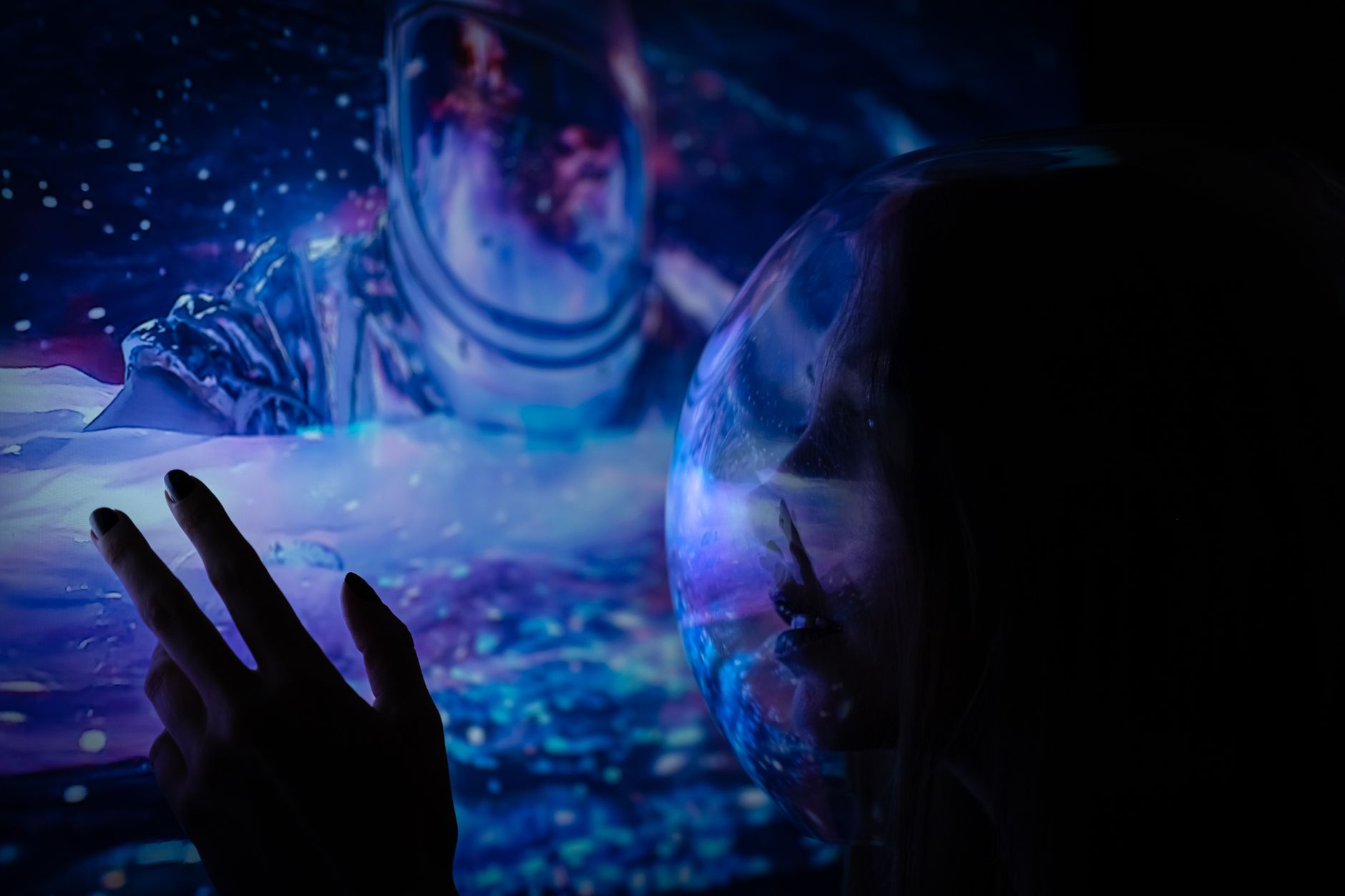
Unlocking the Meaning of Surrealism in Art
Explore the subconscious, dreams, and reality-bending visions that define this profoundly influential artistic movement.
Discover SurrealismKey Takeaways
- ✓ Surrealism emerged in Paris in the 1920s, rooted in Dadaism.
- ✓ André Breton's 'Manifesto of Surrealism' (1924) defined its core principles.
- ✓ It sought to liberate the subconscious mind from rational control.
- ✓ Key techniques included automatism, dream analysis, and juxtaposition of incongruous elements.
How It Works
Surrealists believed true reality lay beyond the rational. They aimed to tap into the subconscious mind, the realm of dreams and repressed desires.
Techniques like automatic drawing or writing were used to bypass conscious thought. This allowed unfiltered imagery and ideas to emerge directly from the unconscious.
A hallmark of surrealism is placing unrelated objects or concepts together. This creates startling, often unsettling, but thought-provoking new realities.
Surrealist art often blurs the lines between reality and illusion. It invites viewers to question their understanding of the world and the nature of existence.
Defining the Surrealist Art Movement: Origins and Ideals
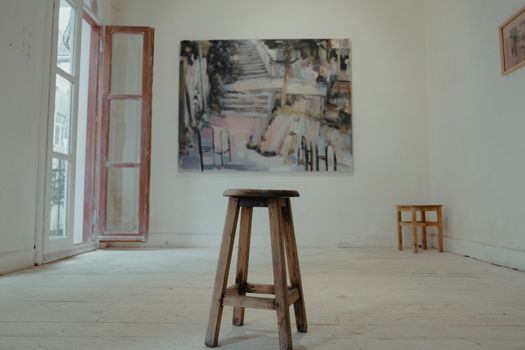 Photo: Faruk Tokluoğlu / Pexels
Key Characteristics and Techniques in Surrealist Painting
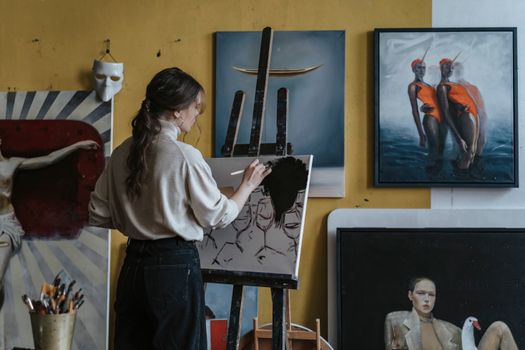 Photo: olia danilevich / Pexels
Iconic Figures and Lasting Impact on Modern Art
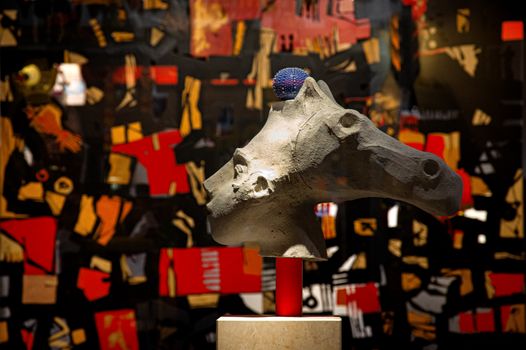 Photo: Paolo Motti / Pexels
Common Misconceptions and Tips for Appreciating Surrealism
 Photo: Ernest Ghazaryan / Pexels
Comparison
| Feature | Surrealism | Dadaism | Cubism |
|---|---|---|---|
| Primary Goal | Liberate subconscious, unify dream & reality | Reject logic, anti-art | Analyze objects, multiple perspectives |
| Key Influence | Freudian psychoanalysis | WWI disillusionment, nihilism | African art, Cézanne |
| Aesthetic Focus | Dreamlike, juxtaposed elements | Randomness, absurd, collage | Geometric forms, fragmented reality |
| Emotional Tone | Mysterious, uncanny, liberating | Ironic, provocative, chaotic | Intellectual, analytical |
| Notable Artists | Dalí, Magritte, Miró | Duchamp, Tzara, Arp | Picasso, Braque, Gris |
What Readers Say
"This article completely opened my eyes to the true meaning of surrealism in art. I always thought it was just weird paintings, but now I understand the deep psychological and philosophical roots."
Eleanor Vance · Brooklyn, NY"As an art student, this breakdown of Surrealism's origins and techniques is incredibly helpful. It clarified so many concepts I was struggling with, especially the difference between Dada and Surrealism."
Marcus Chen · Los Angeles, CA"After reading this, I visited a Surrealism exhibit and saw the art in a completely new light. The tips for appreciation made the experience so much richer, truly understanding the meaning of surrealism in art."
Sophia Rodriguez · Miami, FL"A very thorough explanation of surrealism. While I wish there were more examples of lesser-known artists, the coverage of Dalí, Magritte, and Miró was excellent and well-contextualized."
David Kim · Chicago, IL"I'm a writer, not an artist, but the discussion of automatism and subconscious liberation resonated deeply with my creative process. This article illuminates the meaning of surrealism in art beyond just painting."
Lena Petrova · Seattle, WAFrequently Asked Questions
What is the core meaning of surrealism in art?
The core meaning of surrealism in art is to liberate the subconscious mind from rational control, synthesizing the states of dream and reality into a new, absolute reality called 'surreality.' It aims to explore the hidden truths of the human psyche and challenge conventional perceptions through unexpected juxtapositions and dreamlike imagery.
Is Surrealism just about painting strange things?
No, Surrealism is not just about painting strange things. While it employs unusual and dreamlike imagery, this is a means to an end – to access and express the subconscious, provoke new ways of thinking, and reveal deeper truths about the human condition, rather than merely shocking the viewer.
How can I start to understand a Surrealist painting?
To understand a Surrealist painting, start by looking beyond the surface and asking what the strange objects or scenes might symbolize. Embrace the ambiguity, allow yourself to be surprised, and consider the historical and psychological context of the work. Don't seek a single, definitive meaning, but rather engage with its emotional and intellectual provocations.
Is Surrealism still relevant in contemporary art?
Absolutely. While the historical movement largely peaked in the mid-20th century, the core principles and aesthetics of Surrealism continue to influence contemporary artists, filmmakers, writers, and designers. Its emphasis on the subconscious, dreams, and challenging reality remains a powerful tool for creative expression and social commentary.
How does Surrealism differ from Dadaism?
Surrealism emerged from Dadaism but moved beyond its nihilistic rejection of logic. While Dada aimed to dismantle all forms of reason and order through absurdity, Surrealism sought to build a new reality by synthesizing dream and reality, actively exploring the subconscious rather than merely negating conscious thought. Dada was destructive, Surrealism was constructive in its exploration of the irrational.
Who should explore the meaning of surrealism in art?
Anyone interested in understanding the depths of human creativity, the power of the subconscious, or the intersection of art and psychology should explore the meaning of surrealism in art. It's particularly enriching for artists, writers, philosophers, and those who enjoy challenging their perceptions of reality.
Are there any risks in misinterpreting Surrealist art?
The 'risk' of misinterpreting Surrealist art is minimal, as much of its power lies in its openness to individual interpretation and subjective experience. The primary challenge is to avoid reducing it to superficial strangeness and instead engage with its deeper psychological and philosophical intentions. There's no single 'correct' interpretation for many works.
What future trends might Surrealism influence?
Surrealism's influence is likely to continue in areas like digital art, virtual reality, and AI-generated imagery, where the boundaries of reality are constantly being redefined. Its exploration of dreams and the subconscious also resonates with ongoing interests in mental health, altered states of consciousness, and the increasingly blurred lines between our online and offline identities.
Embark on your own journey into the subconscious and deepen your appreciation for one of art history's most compelling movements. Understanding the meaning of surrealism in art is not just about art; it's about understanding the boundless depths of the human mind. Start exploring today!