Unleash Creativity: Online Art Classes for Adults
online art classes for adults

Unleash Creativity: Online Art Classes for Adults

Transform your artistic journey with flexible, expert-led virtual art education designed for every skill level.

Find Your Class Today

Key Takeaways

  • ✓ Online art classes offer unparalleled flexibility for busy adults.
  • ✓ A wide range of mediums, from drawing to digital art, are available.
  • ✓ Many platforms provide both live interactive sessions and self-paced courses.
  • ✓ You can learn from renowned artists and connect with a global community.

How It Works

1
Choose Your Medium & Skill Level

Decide what art form you're interested in, whether it's painting, drawing, sculpture, or digital art. Then, select a course suitable for beginners, intermediates, or advanced artists.

2
Select a Platform & Course

Explore various online learning platforms like Skillshare, Domestika, or dedicated art academies. Compare course structures, instructors, and pricing to find your ideal fit.

3
Gather Your Supplies

Most courses provide a supply list. Acquire the necessary materials, which can range from basic pencils and paper to specialized paints, canvases, or digital tablets.

4
Engage & Create

Participate in lessons, complete assignments, and engage with your instructor and fellow students. Share your work, receive feedback, and watch your artistic skills flourish.

Why Online Art Instruction Resonates with Adults
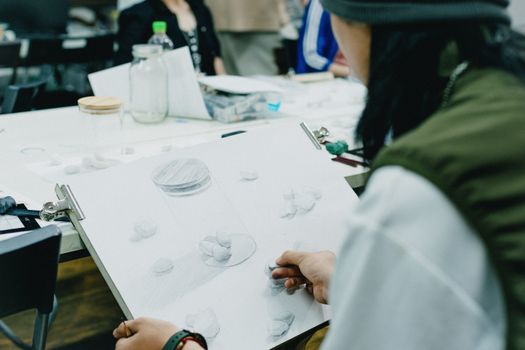
Students sketching a still life arrangement in a Tokyo art class, capturing creative still life moments. Photo: Gu Ko / Pexels
In today's fast-paced world, finding time for personal growth and creative outlets can feel like an insurmountable challenge. Yet, the desire to explore artistic expression doesn't diminish with age; if anything, it often strengthens. This is precisely where online art classes for adults step in as a transformative solution. They dismantle traditional barriers to entry, offering a level of accessibility and flexibility that conventional brick-and-mortar institutions simply cannot match. Imagine being able to learn a new painting technique from a master artist in Italy, all from the comfort of your living room in Ohio, after your kids are asleep. This is the new reality. Online platforms cater to diverse schedules, allowing you to learn at your own pace, whether that means dedicating an hour each morning before work, or immersing yourself in a weekend workshop. The beauty lies in the autonomy it provides. You're not bound by rigid class times, geographical limitations, or the pressure of immediate public performance. Instead, you can experiment, make mistakes, and develop your unique artistic voice in a supportive, private environment. Furthermore, the sheer breadth of courses available online is staggering. From classical drawing and oil painting to digital illustration, abstract sculpture, and even art history, there's a niche for every interest. Many platforms also foster vibrant online communities where students can share their work, receive constructive criticism, and connect with like-minded individuals globally. This communal aspect, often overlooked, is crucial for motivation and sustained engagement. It turns a solitary pursuit into a shared journey of discovery and growth. For adults who may have put their artistic aspirations on hold due to career or family commitments, online art classes offer a guilt-free pathway back to a passion. They are an investment in self-care, a mental escape, and a powerful tool for fostering creativity and problem-solving skills that extend far beyond the canvas. The digital revolution has democratized art education, making it more inclusive and attainable than ever before for adults of all backgrounds and skill levels. It's not just about learning to paint; it's about rediscovering a part of yourself that yearns for expression. Explore the diverse world of online arts education and see how it fits into your life. This flexible approach ensures that regardless of your daily demands, your creative spirit can still thrive.

Choosing the Right Online Art Platform and Course
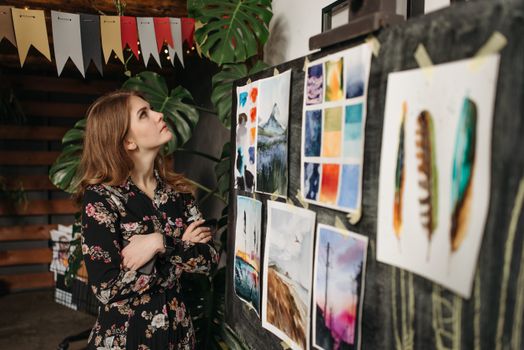
A woman in a floral dress observes art pieces on a board in her creative workshop. Photo: Pavel Danilyuk / Pexels
Navigating the vast landscape of online art education can feel overwhelming, but with a strategic approach, you can find the perfect fit for your artistic ambitions. The first step is to clearly define your goals. Are you looking to master a specific technique, explore a new medium, build a portfolio, or simply engage in art for relaxation and fun? Your objective will significantly narrow down your options. Next, consider the type of learning experience you prefer. Some platforms offer self-paced, pre-recorded video lessons that you can access anytime, anywhere. These are ideal for those with unpredictable schedules or who prefer to absorb information at their own speed. Others specialize in live, interactive workshops conducted via video conferencing, providing real-time feedback and a more structured classroom feel. Hybrid models, combining both, also exist. Evaluating the instructor's background and teaching style is paramount. Many platforms provide instructor bios, portfolios, and even introductory videos. Look for artists whose work resonates with you and whose teaching approach seems clear, encouraging, and supportive. Reviews from past students can offer invaluable insights into the quality of instruction and course content. Cost is another practical consideration. Online art classes range from free tutorials on YouTube to subscription-based platforms and premium, intensive workshops that can cost several hundred dollars. Determine your budget and look for options that offer good value. Some platforms offer free trials or individual course purchases, allowing you to test the waters before committing to a subscription. Don't forget about the community aspect. Many top-tier platforms integrate forums, private social groups, or virtual critiques where students can share their progress, ask questions, and receive feedback from both instructors and peers. This sense of belonging can be a powerful motivator and a source of inspiration. Finally, always check the technical requirements and materials list before enrolling. Ensure you have the necessary equipment, whether it's a stable internet connection, specific software for digital art, or a particular set of paints and brushes. A little research upfront can save you time and frustration later, ensuring a smooth and rewarding online art learning experience tailored to your needs and preferences. The right platform can transform your artistic journey, making it accessible and enjoyable.

Popular Art Mediums and Techniques Taught Online
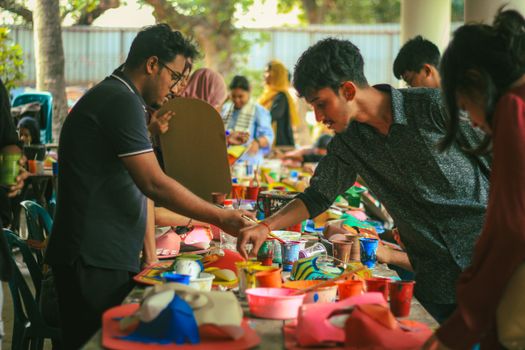
Students engaging in a vibrant art workshop at Dhaka University, showcasing creativity and collaboration. Photo: Tanha Tamanna Syed / Pexels
The digital realm has opened up an unprecedented array of artistic mediums and techniques for adults to explore, making it easier than ever to dive into new forms of expression or refine existing skills. One of the most popular starting points is **drawing**. Online courses cover everything from foundational sketching, perspective, and proportion to advanced figure drawing and portraiture. You can learn to work with charcoal, graphite, ink, or pastels, developing a keen eye for observation and a steady hand. Many courses emphasize building a strong artistic base, which is crucial regardless of the medium you eventually specialize in. **Painting** is another vast category, with online instruction available for virtually every type of paint. Watercolor classes teach delicate washes and vibrant layering, while acrylic painting courses focus on versatility, bold colors, and various textures. Oil painting, often considered a more challenging medium, is also widely taught online, with instructors guiding students through color mixing, glazing, and impasto techniques. Beyond traditional methods, many platforms offer courses on abstract painting, mixed media, and even street art styles. The rise of digital tools has also propelled **digital art** into the mainstream. Online classes can teach you how to use software like Adobe Photoshop, Illustrator, Procreate (for iPad users), or Clip Studio Paint to create stunning illustrations, concept art, comics, and graphic designs. These courses often cover digital painting, vector art, photo manipulation, and animation fundamentals, opening up new career paths and creative possibilities. For those interested in three-dimensional art, there are virtual workshops on **sculpture** (using clay, polymer clay, or even digital sculpting software), **paper crafts** like origami and kirigami, and **fiber arts** such as weaving, knitting, and embroidery. The beauty of online learning is that you can sample different mediums without a significant initial investment in specialized equipment or travel. Many introductory courses are designed to be accessible, requiring only basic supplies. This allows adults to experiment, discover hidden talents, and find the medium that truly resonates with their creative spirit. Discover unique artistic expressions through these diverse online offerings, allowing you to broaden your horizons and find your true artistic calling. The sheer variety ensures that there's always something new to learn and create.

Tips for Maximizing Your Online Art Learning Experience
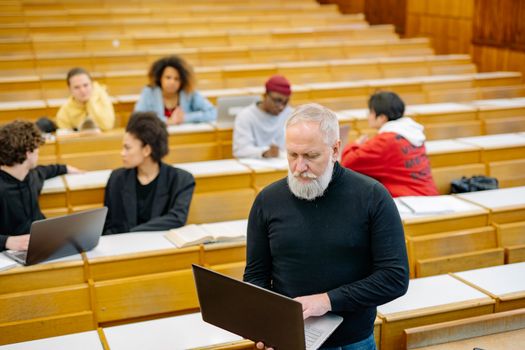
Mature teacher interacting with diverse students using laptops in a spacious lecture hall setting. Photo: Yan Krukau / Pexels
Embarking on online art classes for adults is an exciting journey, but like any educational endeavor, it requires a thoughtful approach to yield the best results. Here are some essential tips to help you maximize your learning and truly thrive in the virtual art studio: * **Set Up a Dedicated Workspace:** Even if it's a small corner of your home, having a designated area free from distractions will help you focus. Organize your supplies, ensure good lighting, and create an environment that inspires creativity. This signals to your brain that it's time to create. * **Be Consistent and Schedule Time:** Treat your online art class like a regular appointment. Block out specific times in your calendar each week for lessons and practice. Consistency, even short bursts, is more effective than sporadic long sessions. * **Engage with the Community:** Don't just passively consume content. Participate in forums, ask questions, share your work, and provide constructive feedback to peers. This interaction is invaluable for learning, motivation, and building connections. * **Embrace Imperfection and Experimentation:** Art is a journey, not a destination. Don't be afraid to make mistakes; they are crucial learning opportunities. Experiment with techniques, colors, and compositions. Your unique style emerges from this process, not from flawless execution. * **Review and Reflect:** After each lesson or project, take time to review your work and the instructor's feedback. What went well? What could be improved? Self-reflection helps solidify learning and guides your next steps. * **Pace Yourself:** Avoid the temptation to rush through courses. Absorb the material, practice the techniques, and allow yourself time to integrate new knowledge. Quality over quantity is key in artistic development. * **Document Your Progress:** Keep a sketchbook or digital folder of your work, from initial sketches to finished pieces. Seeing your progress over time is incredibly motivating and provides a tangible record of your growth. This visual diary can also highlight areas where you've improved most dramatically.

Comparison

FeatureSkillshareDomestikaArt & Found
Pricing ModelSubscriptionPer-courseSubscription/Per-course
Course VarietyBroad, creativeNiche, professionalCurated, fine art
Live SessionsLimitedRareOften included
Community FeaturesStrongModerateModerate
Feedback TypePeer-drivenInstructor Q&AInstructor-led
Beginner Friendliness✗ (some advanced)
Certificate of Completion

What Readers Say

"I've always wanted to learn watercolor, but my schedule was impossible. These online art classes for adults fit perfectly, and the instructor's feedback truly helped me improve my brush control. I'm creating pieces I never thought possible!"

Sarah J. · Austin, TX

"As an engineer, I needed a creative outlet. The digital painting course I took online was incredibly detailed and engaging. I now spend my evenings illustrating, and it's a fantastic stress reliever. Highly recommend for any adult looking to learn."

Mark D. · Chicago, IL

"After completing an online course in abstract art, I've started selling small pieces at local markets! The clear instructions and supportive community were instrumental in building my confidence and developing my unique style."

Emily R. · Seattle, WA

"The online figure drawing class was excellent for technique, though I sometimes missed the immediate, in-person adjustments a live model allows. Still, for convenience and expert instruction, these online options are hard to beat for an adult learner."

David L. · Miami, FL

"I signed up for an online art history course alongside a painting class. Learning the context behind the art I'm creating has deepened my appreciation and improved my understanding of composition and color theory. A truly enriching experience for any adult."

Maria P. · Denver, CO

Frequently Asked Questions

Are online art classes for adults suitable for complete beginners?

Absolutely! Many online platforms offer dedicated beginner courses that start with the very basics of art, from understanding materials to fundamental techniques like drawing lines, shapes, and understanding perspective. Instructors often break down complex concepts into manageable steps, making art accessible to everyone, regardless of prior experience. Look for courses explicitly labeled 'beginner' or 'introductory'.

Will I get personalized feedback on my artwork in an online class?

The level of personalized feedback varies by platform and course structure. Some live interactive classes offer real-time critiques from instructors. Many self-paced platforms provide dedicated forums or assignment submission areas where instructors or teaching assistants review your work and offer written or video feedback. Peer feedback from the online community is also a common and valuable resource.

How do I choose the right art medium to start with if I'm unsure?

If you're unsure, consider starting with drawing as it's foundational to many other art forms and requires minimal, inexpensive supplies. Alternatively, explore introductory courses that offer a 'sampler' of different mediums like watercolor, acrylics, and pastels. Many platforms have free trial lessons or course previews that can help you gauge your interest before committing.

What is the typical cost of online art classes for adults?

The cost varies widely. Free resources are abundant on platforms like YouTube. Subscription services like Skillshare or Domestika can range from $15-$30 per month or offer annual plans. Individual premium courses from independent artists or specialized academies can range from $50 to several hundred dollars for intensive workshops. Many offer flexible payment plans or discounts.

How do online art classes compare to in-person art workshops?

Online art classes offer unparalleled flexibility, convenience, and a wider selection of instructors from around the globe. They are often more affordable and allow self-paced learning. In-person workshops provide immediate, hands-on instructor guidance and direct social interaction. Both have merits; online classes are ideal for busy adults or those in remote areas, while in-person offers a unique tactile and social experience.

Who should consider taking online art classes for adults?

Anyone looking to explore their creativity, learn a new skill, rekindle an old passion, or simply find a relaxing and enriching hobby should consider online art classes. They are perfect for busy professionals, parents, retirees, or individuals in areas with limited local art education options. Essentially, if you have a desire to create and learn, these classes are for you.

Is special equipment or software required for online art classes?

For traditional art mediums like drawing or painting, you'll need basic art supplies (pencils, paper, paints, brushes, canvases) and a device to view lessons (computer, tablet, smartphone) with internet access. For digital art, you'll need a computer or tablet, a drawing tablet (like a Wacom or iPad Pro with Apple Pencil), and specific software (e.g., Photoshop, Procreate). Course descriptions usually list required materials.

What are the future trends in online art education for adults?

Future trends include more immersive experiences using virtual reality (VR) and augmented reality (AR) for virtual studio environments. We'll likely see increased personalization through AI-powered feedback and curriculum adaptation, more specialized niche courses, and greater integration of live, interactive sessions with smaller class sizes. The blend of technology and traditional art forms will continue to evolve, offering richer learning experiences.

Ready to unlock your artistic potential and embark on a fulfilling creative journey? Explore the diverse world of online art classes for adults today. Whether you're a complete beginner or looking to refine your skills, there's a perfect course waiting to inspire you.

Topics: online art classes for adultsadult art workshops onlinevirtual art lessonslearn art at homecreative hobbies for adults
Leo List

DK Escorts LU Escorts AT Escorts SE Escorts FI Escorts CH Escorts DE Escorts HR Escorts IE Escorts GR Escorts CZ Escorts NO Escorts BE Escorts FR Escorts SI Escorts IL Escorts NL Escorts PL Escorts HU Escorts ES Escorts IT Escorts PT Escorts SK Escorts RO Escorts ZA Escorts UY Escorts US Escorts UK Escorts NZ Escorts AU Escorts
Brampton weed
Adultwork EstrelaBet Vai de Bet R7 Bet Betão Galera Bet Rainbet Bet9ja Shop SportyBet BetKing Sisal Loto Foot Hollywoodbets YesPlay Odibets RushBet Jugabet BetWarrior BetCity MSport betPawa Fortebet