
Unlocking Healing: The Profound Art Therapy Benefits
Engage in creative expression to transform stress, foster self-discovery, and enhance overall well-being.
Explore Your CreativityKey Takeaways
- ✓ Art therapy is a recognized mental health profession utilizing creative processes for healing and well-being.
- ✓ It's effective for all ages, from children to seniors, regardless of artistic skill.
- ✓ Art therapy can address a wide range of issues, including trauma, anxiety, depression, and chronic illness.
- ✓ It provides a non-verbal outlet for emotions and experiences that are difficult to articulate.
How It Works
A qualified art therapist will meet with you to understand your needs and discuss what you hope to achieve. Together, you'll establish therapeutic goals tailored to your unique situation.
You'll be guided through various art-making activities using diverse materials like paint, clay, collage, or drawing. The focus is on the process of creation and self-expression, not artistic skill.
Following the art-making, the therapist will facilitate a discussion about your artwork, your feelings during the process, and any thoughts or insights that emerged. This step connects the art to your therapeutic goals.
Through consistent engagement, you'll begin to integrate new understandings and coping mechanisms into your daily life. Art therapy fosters personal growth, self-awareness, and lasting positive change.
Understanding the Foundation of Creative Expression Therapy
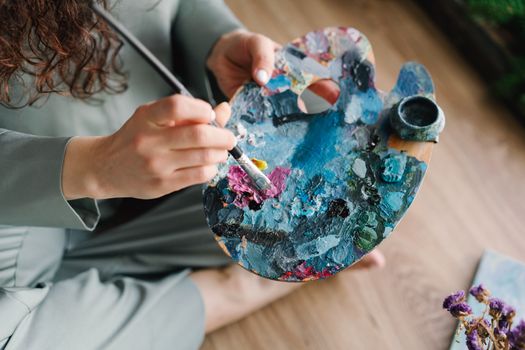 Photo: Mikhail Nilov / Pexels
Mental Health Art: Fostering Emotional and Psychological Well-being
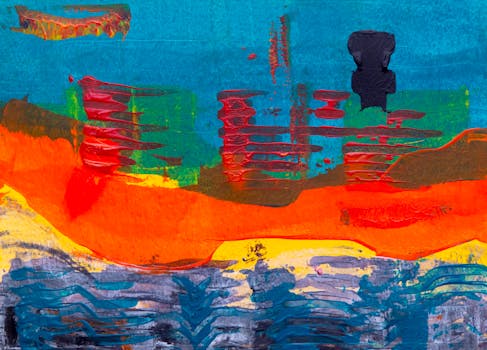 Photo: Steve A Johnson / Pexels
Therapeutic Art for Physical Health and Rehabilitation
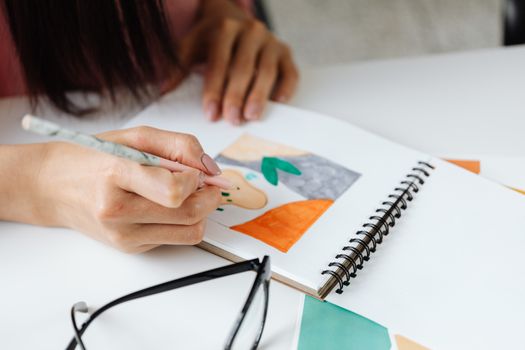 Photo: https://kaboompics.com/ / Pexels
Maximizing Your Experience: Tips for Engaging with Art Therapy
 Photo: Rahib Hamidov / Pexels
Comparison
| Feature | Art Therapy | Talk Therapy | Art as Hobby | Meditation |
|---|---|---|---|---|
| Professional Guidance | ✓ (Licensed Therapist) | ✓ (Licensed Therapist) | ✗ (Instructor/Self-guided) | ✗ (Self-guided/Instructor) |
| Non-verbal Expression | ✓ (Primary focus) | ✗ (Secondary/Optional) | ✓ (Primary focus) | ✗ |
| Focus on Process | ✓ (Key therapeutic element) | ✗ (Focus on verbal narrative) | ✓ (Often enjoyable) | ✓ (Focus on present moment) |
| Addressing Trauma | ✓ (Highly effective) | ✓ (Effective, can be re-traumatizing) | ✗ (Not designed for this) | ✗ (Can aid, but not a direct therapy) |
| Requires Artistic Skill | ✗ (No skill needed) | ✗ | ✓ (Often implied/desired) | ✗ |
| Self-discovery & Insight | ✓ (Core outcome) | ✓ (Core outcome) | ✗ (Often incidental) | ✓ (Core outcome) |
| Emotional Regulation | ✓ (Directly targeted) | ✓ (Directly targeted) | ✓ (Can be a byproduct) | ✓ (Core outcome) |
| Physical/Motor Skills | ✓ (Can improve) | ✗ | ✓ (Can improve) | ✗ |
What Readers Say
"Art therapy helped me immensely after a difficult breakup. I couldn't verbalize my feelings, but painting allowed me to express my grief and anger in a healthy way. It was incredibly cathartic and truly kickstarted my healing process."
Sarah J. · Austin, TX"As someone who struggles with chronic anxiety, I found traditional therapy helpful but often overwhelming. Art therapy provided a gentle, non-threatening space to explore my worries. I learned to ground myself through creativity, and my panic attacks have significantly reduced."
Mark D. · Seattle, WA"After my accident, I felt disconnected from my body and purpose. Art therapy helped me reconnect with my inner strength and find new ways to express myself, even with limited mobility. It gave me a sense of accomplishment I desperately needed."
Emily R. · Denver, CO"I was skeptical at first, thinking I had no artistic talent. But my therapist quickly put me at ease. While it wasn't a magic cure, it offered a different perspective on my stress and helped me relax. It's a great complement to other therapies."
Chris P. · Miami, FL"Our family started art therapy after a major loss, and it was transformative. It provided a safe way for my children to express their sadness and for us to communicate as a family. We learned to support each other through art, which was incredibly powerful."
Jessica L. · Chicago, ILFrequently Asked Questions
What are the primary art therapy benefits?
The primary art therapy benefits include improved emotional regulation, reduced stress and anxiety, enhanced self-esteem, better communication skills, and a safe outlet for processing trauma and difficult emotions. It fosters self-discovery and personal growth through creative expression, making it a holistic approach to mental and emotional well-being.
Do I need artistic talent to benefit from art therapy?
Absolutely not. One of the most reassuring aspects of art therapy is that artistic talent is completely irrelevant. The focus is on the process of creation and self-expression, not on producing a aesthetically pleasing work of art. The therapist guides you to explore your feelings through materials, regardless of your skill level.
How do I find a qualified art therapist?
To find a qualified art therapist, look for professionals credentialed by the Art Therapy Credentials Board (ATCB), often designated as ATR (Registered Art Therapist) or ATR-BC (Board-Certified Art Therapist). You can search their directory or consult with mental health organizations in your area for referrals. Your primary care physician may also offer recommendations.
How much does art therapy cost?
The cost of art therapy sessions can vary widely based on location, the therapist's experience, and whether it's individual or group therapy. Sessions can range from $75 to $200 per hour. Some therapists offer sliding scale fees, and many insurance plans now cover art therapy, so it's advisable to check with your provider.
How does art therapy compare to traditional talk therapy?
Art therapy complements traditional talk therapy by offering a non-verbal avenue for expression, which can be particularly helpful for those who struggle to articulate feelings verbally or who have experienced trauma. While talk therapy relies on language, art therapy uses visual and tactile methods to access emotions and insights, often reaching deeper levels of processing that words alone cannot achieve.
Who can benefit most from art therapy benefits?
Art therapy benefits a wide range of individuals, including children, adolescents, adults, and seniors. It's particularly effective for those dealing with trauma, anxiety, depression, grief, chronic illness, developmental disabilities, and those seeking to improve self-esteem, communication, and emotional regulation. Anyone open to self-exploration through creativity can benefit.
Are there any risks associated with art therapy?
When conducted by a qualified and ethical art therapist, art therapy is generally very safe. The primary 'risk' might be uncovering uncomfortable emotions or memories, which is part of the therapeutic process. A trained therapist is equipped to help you navigate these feelings in a safe and supportive environment, ensuring your well-being throughout the journey.
What are the future trends in art therapy?
Future trends in art therapy include increased integration with digital technologies, such as virtual reality and digital art tools, to expand accessibility and engagement. There's also a growing emphasis on trauma-informed practices, neuroaesthetics, and community-based art therapy programs to address broader societal mental health needs and promote collective healing.
Embrace the transformative power of creativity. Explore the profound art therapy benefits and embark on a journey of self-discovery, emotional healing, and enhanced well-being. Your path to a more balanced and expressive life awaits.