Understanding Modern Art Movements: A Comprehensive Guide
Demystify the complex world of modern art, from Impressionism to Abstract Expressionism, and enrich your artistic perspective.
Start Exploring ArtKey Takeaways
- ✓ Modern art movements emerged from the late 19th to mid-20th centuries, challenging traditional artistic conventions.
- ✓ Each movement was a reaction to its predecessors, reflecting societal changes and technological advancements.
- ✓ Key movements include Impressionism, Cubism, Surrealism, and Abstract Expressionism.
- ✓ Understanding the historical context is crucial to appreciating the innovations and motivations behind modern art.
How It Works
Begin by identifying which era or specific movement within modern art piques your interest most. This focused approach helps manage the vastness of the subject.
For each movement, delve into its defining visual elements, philosophical underpinnings, and the techniques artists employed. Look for what sets it apart.
Familiarize yourself with the pioneers and iconic pieces of each movement. Seeing specific examples brings the theoretical concepts to life and aids comprehension.
Understand the societal shifts, scientific discoveries, and political events that influenced artists. Art often reflects and comments on its contemporary world.
The Dawn of Modernity: Impressionism and Post-Impressionism
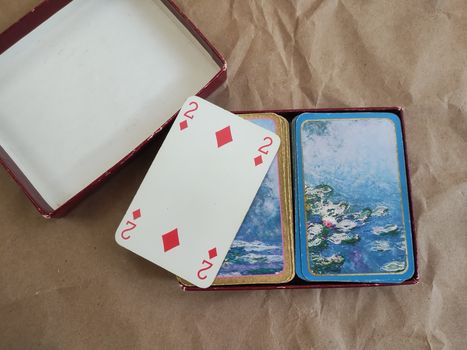 Photo: Juan Koffee / Pexels
Following Impressionism, Post-Impressionism emerged, with artists building upon its innovations while developing more personal and symbolic styles. Figures such as Vincent van Gogh, Paul Cézanne, and Paul Gauguin explored emotional expression, structural integrity, and symbolic meaning in their work. Van Gogh's vibrant impasto and emotional intensity, Cézanne's analytical approach to form, and Gauguin's use of color for symbolic rather than descriptive purposes all represent distinct trajectories from the Impressionist foundation. Cézanne, for instance, is often seen as a bridge to Cubism due to his geometric simplification of forms, demonstrating how one movement often germinates the seeds of the next. These movements collectively dismantled centuries-old artistic traditions, opening up new possibilities for artistic expression and laying the groundwork for the more radical transformations that would define 20th-century art. To truly grasp the evolution, it's essential to recognize how these early pioneers broke free from the constraints of traditional art, paving the way for abstract and conceptual art forms. Exploring these foundational periods is key to a deeper understanding of art history.
Cubism, Futurism, and the Avant-Garde Revolution
 Photo: suresh vaja / Pexels
Parallel to Cubism, Futurism emerged in Italy, championed by artists like Filippo Tommaso Marinetti, Umberto Boccioni, and Giacomo Balla. Futurists were fascinated by speed, technology, youth, and violence, celebrating the dynamism of modern life. They sought to capture movement and energy, often depicting cars, trains, and bustling cities with vibrant, fragmented lines and intersecting planes, borrowing heavily from Cubist techniques but imbuing them with a distinct sense of motion and aggression. Their manifestos called for the destruction of museums and libraries, symbolizing a complete break from the past. While short-lived as a cohesive movement, Futurism’s emphasis on dynamism and its embrace of modernity left a lasting mark. These avant-garde movements, including other notable ones like Fauvism with its wild use of color and Expressionism with its focus on emotional intensity, collectively pushed the boundaries of artistic expression. They challenged viewers to see the world not as it appeared, but as it could be interpreted, felt, or constructed, laying the groundwork for even greater abstraction and conceptual depth in art.
Surrealism, Abstract Expressionism, and Post-War Innovation
 Photo: Hamid Mohammad Hossein Zadeh Ha / Pexels
Following World War II, America emerged as a new center for art, giving rise to Abstract Expressionism. This movement, prominent in the 1940s and 50s, represented a radical break from European traditions and a powerful expression of individual emotion and freedom. Artists like Jackson Pollock, Willem de Kooning, and Mark Rothko rejected representational forms entirely, focusing instead on the act of painting itself (Action Painting) or on large fields of color to evoke profound emotional responses (Color Field Painting). Pollock's drip paintings, for example, were a direct engagement with the canvas, a physical and spontaneous act of creation. Rothko's monumental color fields aimed to transcend the visual and invite spiritual contemplation. Abstract Expressionism was characterized by its scale, its emotional intensity, and its emphasis on the artist's subjective experience. It marked a significant shift in the art world, establishing New York as a global artistic hub and profoundly influencing subsequent generations of artists. These post-war innovations reflect a world grappling with new realities, expressing profound human experiences through unprecedented artistic forms. For deeper insights into this pivotal era, explore resources on mid-century art movements.
Navigating Contemporary Art Trends: Tips for Appreciation
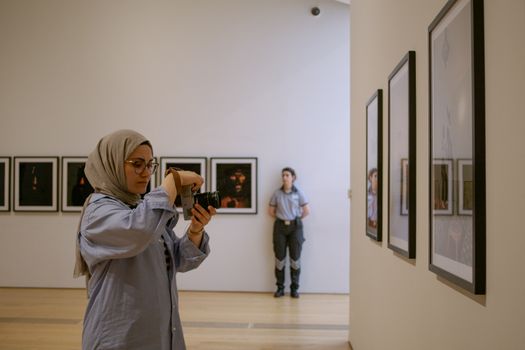 Photo: Beyzanur K. / Pexels
- Embrace the Conceptual: Many contemporary artworks prioritize ideas and concepts over traditional aesthetics. Try to understand the artist's intention and the message they are conveying.
- Question Your Assumptions: Contemporary art often challenges societal norms and artistic conventions. Be open to new perspectives and don't be afraid to ask 'why?' or 'what does this mean?'
- Consider the Context: Research the artist's background, the social and political climate, and the art historical references. Context is often crucial for unlocking the meaning of a piece.
- Engage with Different Mediums: Contemporary art embraces a vast array of mediums, from video installations and performance art to digital art and mixed media. Be open to experiencing art in new forms.
- Visit Galleries and Museums: Direct engagement with artwork is invaluable. Attend exhibitions, artist talks, and guided tours to deepen your understanding and connect with the art community.
- Read and Research: Art criticism, artist interviews, and academic texts can provide valuable insights into contemporary art practices and theories.
- Form Your Own Opinion: While understanding critical perspectives is helpful, ultimately, your personal response and interpretation of art are valid.
Comparison
| Movement | Key Focus | Representative Artists | Defining Characteristic |
|---|---|---|---|
| Impressionism | Light & Atmosphere | Monet, Renoir | Visible brushstrokes, fleeting moments |
| Cubism | Multiple Perspectives | Picasso, Braque | Geometric fragmentation of form |
| Surrealism | Subconscious, Dreams | Dalí, Magritte | Dreamlike, irrational juxtapositions |
| Abstract Expressionism | Emotion, Individual Act | Pollock, Rothko | Non-representational, large scale, intense emotion |
What Readers Say
"This article completely demystified understanding modern art movements for me. I used to find modern art intimidating, but now I feel I have a solid foundation to appreciate it."
Sarah J. · Brooklyn, NY"As an aspiring artist, this guide provided invaluable insights into the historical context and artistic intentions behind each movement. Highly recommend for anyone serious about art."
David P. · Los Angeles, CA"I followed the 'how it works' steps, and it truly enhanced my recent museum visit. I could identify styles and artists I learned about, making the experience much richer."
Maria G. · Chicago, IL"A very thorough overview, though I wish there were even more examples of specific artworks for each movement. Still, it's an excellent starting point for understanding modern art."
Ethan L. · Austin, TX"My book club was discussing modern art, and this article became our go-to resource. It's written clearly and makes complex topics accessible, perfect for group learning."
Jessica R. · Seattle, WAFrequently Asked Questions
What is the most significant challenge in understanding modern art movements?
The most significant challenge is often overcoming preconceived notions of what art 'should be.' Modern art intentionally broke from traditional representation, requiring viewers to engage with new forms, concepts, and emotional expressions. Embracing this shift in perspective is key to appreciation.
Is modern art just 'splatters and weird shapes'?
While some modern art, particularly Abstract Expressionism, might appear to be 'splatters,' it's rarely arbitrary. These works often involve profound emotional expression, philosophical inquiry, or a deliberate challenge to conventional aesthetics. Understanding the artist's intent and context reveals the depth behind the forms.
How can I start understanding modern art movements if I'm a complete beginner?
Start by focusing on one or two movements that pique your curiosity. Visit a museum or gallery (even virtually) and look at the art. Read the wall texts, and then do a quick online search for key artists and concepts from those movements. Don't try to understand everything at once; allow your appreciation to grow organically.
Is modern art still relevant today, or is it just historical?
Modern art is incredibly relevant. It laid the groundwork for contemporary art and continues to influence artists, designers, and cultural thought. The questions it raised about perception, reality, emotion, and the role of the artist are still actively debated and explored in current artistic practices.
How does modern art differ from contemporary art?
Modern art generally refers to art from the late 19th century through the mid-20th century (roughly 1860s to 1970s), characterized by a break from tradition and the emergence of distinct movements. Contemporary art, in contrast, refers to art created from the 1970s to the present day, often characterized by its diversity, conceptual focus, and use of new technologies, without a singular dominant style.
Who should engage with understanding modern art movements?
Anyone with a curiosity about culture, history, human expression, or visual aesthetics should engage with understanding modern art movements. It's for art students, casual museum-goers, history buffs, and anyone seeking to broaden their perspective and enrich their cultural literacy.
Are there any 'wrong' interpretations of modern art?
While artists often have specific intentions, the beauty of art, especially modern art, is its capacity for multiple interpretations. There are well-informed and poorly informed interpretations, but a 'wrong' one is subjective. Engaging thoughtfully and supporting your interpretation with observations is more important than finding a single 'correct' meaning.
What is the future trend in understanding modern art movements?
The future trend involves increasingly interdisciplinary approaches, leveraging digital tools for analysis and immersive experiences. There's also a growing focus on decolonizing art history, re-evaluating narratives, and integrating global perspectives beyond the traditional Western canon to offer a more comprehensive understanding.
Embark on your journey to a deeper understanding of modern art movements today. This guide is just the beginning; the world of modern art awaits your exploration and interpretation. Start seeing art not just as an object, but as a conversation across time and culture.