Unlocking Wellness: The Benefits of Art Therapy
July 15, 2026 19 min read 3,778 words
Engage your creativity to foster healing, reduce stress, and gain profound self-understanding through art.
Explore Your Creative Path
Understanding the Core Benefits of Art Therapy for Mental Health
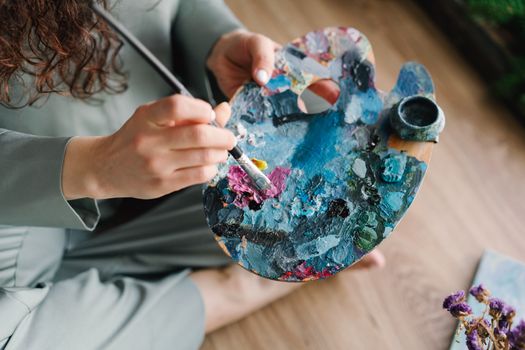 Photo: Mikhail Nilov / Pexels
Art therapy is far more than just making pretty pictures; it's a powerful and recognized mental health profession that harnesses the creative process to improve physical, mental, and emotional well-being. At its core, art therapy provides a unique avenue for self-expression, particularly for individuals who find it challenging to articulate their thoughts and feelings verbally. This non-verbal communication can be incredibly liberating, allowing access to deeper emotional states and unconscious material that traditional talk therapy might not reach as readily. The act of creating itself can be profoundly therapeutic, serving as a distraction from distressing thoughts, a means of processing trauma, or a way to simply engage in mindful activity. When we engage in art, our brains enter a different mode, often leading to a state of flow that reduces anxiety and promotes relaxation. This shift in cognitive function is one of the primary reasons why art therapy is so effective in managing stress and anxiety disorders.
One of the most significant benefits of art therapy lies in its ability to facilitate emotional release and regulation. Many people carry unresolved emotions – grief, anger, fear, sadness – which, if left unaddressed, can manifest as physical ailments or psychological distress. Art provides a safe container for these emotions, allowing them to be externalized and observed. For instance, someone struggling with anger might find catharsis in aggressively sketching with charcoal or molding clay, literally shaping their raw emotions into a tangible form. This externalization makes emotions less overwhelming and more manageable. Once externalized, the therapist can guide the individual in exploring these feelings from a safe distance, helping them understand their triggers, develop coping mechanisms, and ultimately integrate these experiences in a healthier way. This process doesn't just involve expressing negative emotions; it also encourages the exploration and cultivation of positive feelings, fostering resilience and a sense of hope. The therapeutic relationship with a qualified art therapist is crucial here, as they provide the expert guidance and interpretation needed to navigate these deep emotional landscapes. They are trained to observe not just the artwork, but also the client's process, choices of materials, and non-verbal cues, all of which offer valuable insights into their inner world. Through this collaborative exploration, individuals can gain profound self-awareness and develop a stronger sense of self, leading to improved overall mental health. For more insights into how different forms of creative expression can support well-being, explore our article on
the healing power of creative arts.
Beyond emotional regulation, art therapy significantly enhances self-esteem and self-discovery. For many, the idea of creating art can be intimidating, especially if they believe they lack artistic talent. However, art therapy explicitly emphasizes process over product. The focus is not on creating a masterpiece but on the journey of creation and the insights gained from it. This non-judgmental approach allows individuals to experiment, take risks, and express themselves without fear of failure. Successfully completing an art project, regardless of its aesthetic appeal, can instill a sense of accomplishment and competence. This renewed sense of self-efficacy often translates into other areas of life, empowering individuals to face challenges with greater confidence. Furthermore, the act of making art often uncovers hidden strengths, preferences, and aspects of one's personality that were previously unacknowledged. Through symbols, metaphors, and narratives embedded in their artwork, individuals can piece together a clearer picture of their identity, their values, and their place in the world. This journey of self-discovery is ongoing and deeply personal, with art acting as a mirror reflecting the evolving self. The tangible nature of art also provides a record of progress, allowing individuals to look back at their creations and see how far they've come, reinforcing positive changes and motivating continued growth. This aspect is particularly powerful for those undergoing long-term therapy or recovering from significant life challenges.
Art Therapy for Trauma, Stress Reduction, and Cognitive Enhancement
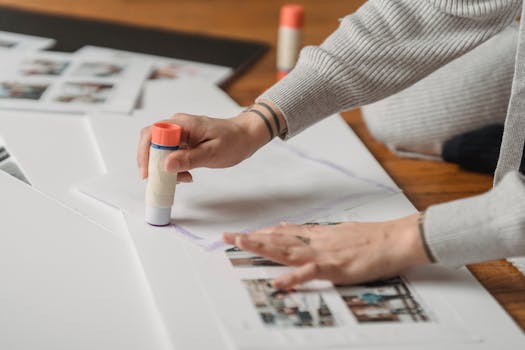 Photo: George Milton / Pexels
One of the most compelling applications of art therapy is in the processing and healing of trauma. Traumatic experiences often leave individuals with fragmented memories, intense emotional flashbacks, and a sense of being overwhelmed or unable to cope. Traditional talk therapy can sometimes re-traumatize individuals by forcing them to recount difficult events verbally before they are ready or equipped to do so. Art therapy offers a gentler, indirect approach. By engaging in creative activities, individuals can externalize their traumatic experiences in a symbolic or metaphorical way, allowing them to process difficult emotions and memories at their own pace and without the need for explicit verbalization. For example, a survivor of trauma might draw images that represent their feelings of fear or helplessness, or create a sculpture that embodies their resilience. This symbolic representation provides a safe distance from the raw intensity of the trauma, enabling a more manageable emotional engagement. The art object then becomes a tangible representation of their experience, which can be held, observed, and eventually integrated into a coherent narrative. This process helps to organize chaotic internal experiences, reduce hyperarousal, and restore a sense of control and safety. The therapist's role in this context is to provide a consistent, supportive presence, helping the client to feel grounded and secure as they navigate these challenging inner landscapes, ensuring that the process remains therapeutic and not re-traumatizing.
Beyond trauma, art therapy is an incredibly effective tool for general stress reduction and anxiety management. In our fast-paced, digitally-driven world, chronic stress has become a pervasive issue, impacting both mental and physical health. Engaging in art-making provides a much-needed break from cognitive rumination and the constant demands of daily life. The act of focusing on colors, textures, and forms, and the repetitive motions involved in many art activities (like drawing, knitting, or sculpting), can induce a meditative state. This state of mindfulness reduces the production of stress hormones like cortisol and promotes the release of endorphins, leading to a profound sense of calm and relaxation. It shifts attention from internal worries to external creation, offering a healthy outlet for pent-up energy and tension. Many individuals report feeling a significant decrease in anxiety levels after an art therapy session, often describing it as a feeling of lightness or clarity. This isn't just a temporary fix; regular engagement in creative activities, facilitated by art therapy, can build long-term resilience against stress and equip individuals with practical strategies for managing anxious thoughts and feelings in their daily lives. The therapeutic environment further enhances this effect, providing a sanctuary where individuals can let go of pressures and simply be present with their creative process, fostering a deeper connection to their inner resources for peace and tranquility.
Furthermore, art therapy has shown promising benefits for cognitive enhancement and problem-solving skills. The creative process inherently involves decision-making, planning, and abstract thinking. When an individual chooses specific colors, decides on a composition, or figures out how to construct a three-dimensional form, they are actively engaging their cognitive functions. This mental exercise can improve problem-solving abilities, enhance critical thinking, and stimulate divergent thinking – the ability to generate multiple solutions to a problem. For individuals struggling with cognitive decline, such as those with dementia, art therapy can help maintain existing cognitive functions and even improve aspects like memory recall and attention span. The sensory engagement involved in art-making also stimulates various parts of the brain, leading to increased neural connectivity. For children and adolescents, art therapy can play a crucial role in developing fine motor skills, hand-eye coordination, and spatial reasoning. It also encourages innovative thinking and the ability to view challenges from different perspectives, skills that are invaluable in both academic and personal contexts. The process of translating an internal thought or feeling into a tangible external form requires a unique blend of imagination, logic, and motor control, making art therapy a holistic exercise for the brain. Moreover, the reflective component of art therapy, where individuals discuss their artwork and the process, further hones their verbal and analytical skills, bridging the gap between non-verbal expression and cognitive understanding.
Fostering Communication, Social Skills, and Physical Well-being through Art
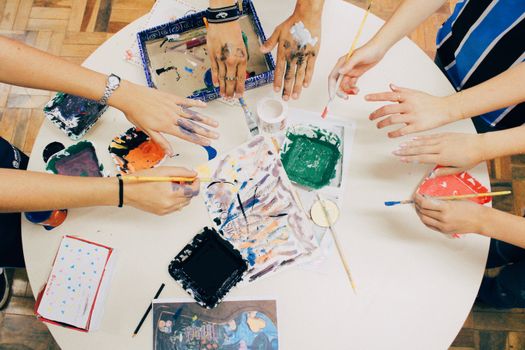 Photo: Schena Maria Karlec / Pexels
The benefits of art therapy extend significantly into improving communication and social skills, particularly for individuals who struggle with verbal expression or social interaction. For those with conditions like autism spectrum disorder, selective mutism, or severe social anxiety, traditional conversation can be daunting or impossible. Art provides a bridge, a shared language that transcends words. In group art therapy settings, individuals can connect with others through the shared experience of creation, observing each other's processes, and discussing their artwork. This non-threatening environment allows for natural social interaction to unfold, fostering empathy, understanding, and a sense of belonging. Someone might use their artwork to communicate a boundary, express a preference, or share a personal story without having to say a single word. The therapist facilitates these interactions, guiding discussions and helping individuals interpret each other's artistic expressions, thereby building communication skills in a safe and supportive context. Children, especially, benefit from this approach as they often communicate more naturally through play and creative activities than through direct questioning. Art therapy can help them learn to share materials, negotiate ideas, and understand different perspectives, all crucial components of healthy social development. It also provides a platform for individuals to express their unique identities and be seen and understood by others, which is foundational for forming meaningful relationships. For those recovering from trauma or dealing with mental health challenges, re-engaging with social contexts can be terrifying; art therapy offers a gentle re-entry point, building confidence in self-expression before demanding verbal engagement. For further exploration of how creative outlets can enhance communication, consider our resources on
expressive arts for connection.
Surprisingly, art therapy also contributes to physical well-being, both directly and indirectly. The direct benefits often relate to the sensory and motor engagement involved in art-making. Activities such as sculpting, painting, drawing, or even manipulating collage materials can improve fine motor skills, hand-eye coordination, and dexterity. This is particularly beneficial for individuals recovering from injuries, strokes, or those with chronic conditions affecting motor control. The physical act of creating can also serve as a form of gentle exercise, promoting movement and reducing stiffness. Beyond these direct physical benefits, the indirect impact of art therapy on physical health is profound. Chronic stress, anxiety, and depression are known contributors to a wide range of physical ailments, including heart disease, digestive issues, and weakened immune function. By effectively managing these psychological stressors, art therapy can lead to a reduction in stress-related physical symptoms. For instance, individuals who regularly engage in art therapy may experience lower blood pressure, improved sleep quality, and a general reduction in physical tension. The emotional release facilitated by art can also prevent the somatic manifestation of unexpressed feelings, thereby mitigating the risk of stress-induced physical conditions. Moreover, for individuals dealing with chronic pain or illness, art therapy can provide a powerful coping mechanism. It offers a distraction from pain, a means of expressing the frustration and grief associated with illness, and a way to regain a sense of agency and control over their bodies and lives. Creating art allows them to focus on what they can create and accomplish, rather than what they cannot, fostering a more positive body image and a greater sense of overall well-being. This holistic approach recognizes the interconnectedness of mind and body, leveraging creative expression to foster healing across all dimensions of an individual's health.
Finally, art therapy empowers individuals to develop stronger coping mechanisms and greater resilience. Life is full of challenges, and the ability to navigate adversity effectively is crucial for mental and emotional health. Art therapy provides a safe space to experiment with different approaches to problem-solving and to visualize potential solutions. By engaging with art materials, individuals can metaphorically confront their challenges, explore different perspectives, and practice adapting to unexpected outcomes. For example, if a piece of art isn't turning out as planned, the artist must decide whether to abandon it, adapt their vision, or find a creative way to incorporate the 'mistake.' This process mirrors real-life decision-making and fosters flexibility and perseverance. The tangible nature of the artwork also provides a record of these coping strategies, allowing individuals to literally see their journey of overcoming obstacles. Furthermore, the self-discovery aspect of art therapy helps individuals identify their personal strengths and resources, bolstering their self-efficacy and belief in their ability to cope with future stressors. This builds a robust internal framework for resilience, enabling them to bounce back from setbacks more effectively. The process of creating something new and meaningful, even from difficult experiences, instills a sense of hope and purpose, reinforcing the idea that beauty and growth can emerge from struggle. Ultimately, art therapy equips individuals with a creative toolkit for life, enabling them to navigate its complexities with greater ease, self-awareness, and an enduring sense of inner strength.
Practical Tips for Exploring the Benefits of Art Therapy
 Photo: Bülent Özgöç / Pexels
Embarking on an art therapy journey can be a transformative experience, but knowing where to start and what to expect can make the process smoother. Here are some practical tips to help you maximize the benefits of art therapy:
* **Finding a Qualified Art Therapist:** This is perhaps the most crucial first step. Ensure the therapist is board-certified (ATR-BC in the US) and licensed in your state, if applicable. You can search directories provided by organizations like the American Art Therapy Association (AATA). Look for someone whose specialization aligns with your needs, whether it's trauma, anxiety, or relationship issues. Don't hesitate to schedule initial consultations with a few therapists to find someone with whom you feel a strong therapeutic connection. A good rapport is essential for effective therapy.
* **Embracing the Process, Not the Product:** One of the biggest misconceptions about art therapy is that you need to be 'good' at art. This couldn't be further from the truth. The value lies entirely in the creative process and the insights gained, not in producing aesthetically pleasing artwork. Let go of judgment and perfectionism; allow yourself to experiment freely with materials and express whatever comes to mind, no matter how messy or unconventional it seems. Your therapist will guide you in understanding the meaning behind your choices, colors, and forms.
* **Being Open to Exploration:** Art therapy often involves exploring uncomfortable emotions or past experiences. Approach each session with an open mind and a willingness to delve into your inner world. Be honest with your therapist about what you're feeling and experiencing during the art-making process and when reflecting on your creations. The more open you are, the deeper and more impactful your therapeutic journey will be. Sometimes, insights don't come immediately; trust the process and allow them to unfold over time.
* **Integrating Art Therapy into Daily Life:** The benefits of art therapy aren't confined to the session. Consider incorporating creative activities into your daily routine. This could be anything from doodling in a journal, taking photos, writing poetry, or engaging in simple crafts. These practices can reinforce the coping mechanisms and self-awareness gained in therapy, helping you manage stress and maintain emotional balance between sessions. Even short bursts of creativity can have a significant positive impact on your mood and well-being.
* **Understanding the Different Modalities:** Art therapy is not just about drawing or painting. Therapists use a wide array of materials and techniques, including sculpture, collage, digital art, textiles, and even sandplay. Don't be afraid to try different modalities to see what resonates most with you. Each material offers a unique way of expressing and processing emotions. For instance, clay can be very grounding and allow for tactile expression of anger or frustration, while watercolors might encourage fluidity and emotional release. Your therapist can help you explore these options.
