
Unveiling the Legacy of Famous American Artists
Discover the pivotal figures and movements that defined American art, leaving an indelible mark on culture and history.
Explore Their MasterpiecesKey Takeaways
- ✓ American art developed distinct characteristics reflecting the nation's unique cultural and historical journey.
- ✓ Early American art often focused on portraiture and landscape, reflecting a desire for national identity.
- ✓ The 20th century saw a surge in diverse American art movements, including Abstract Expressionism and Pop Art.
- ✓ Many famous American artists achieved global recognition, influencing international art trends.
How It Works
To truly appreciate American artists, grasp the socio-political and cultural backdrop of their eras. This enriches your understanding of their motivations and themes.
Familiarize yourself with major American art movements like the Hudson River School, Ashcan School, Abstract Expressionism, and Pop Art. Each movement offers a distinct artistic philosophy.
Dive into the lives and works of individual famous American artists, recognizing their unique contributions and signature styles. Look for their evolution and impact.
Experience American art firsthand by visiting museums and galleries. Seeing original works provides a deeper connection and appreciation that reproductions cannot fully capture.
Pioneers of American Art: Forging a National Identity
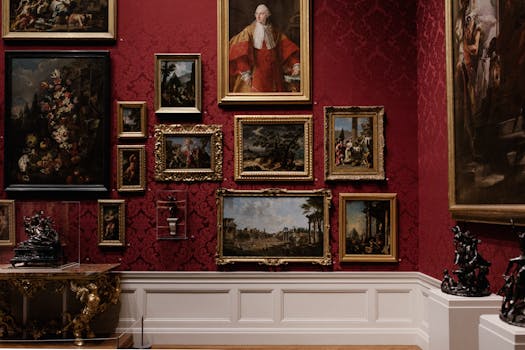 Photo: Andrew Neel / Pexels
Modernism and the American Experience: Breaking New Ground
 Photo: Jeffry Surianto / Pexels
Post-War American Art: Global Impact and Revolutionary Movements
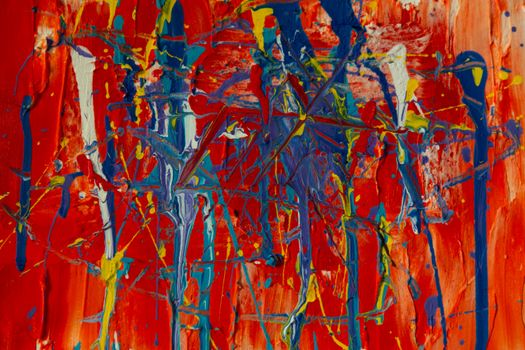 Photo: Steve A Johnson / Pexels
Beyond the Canvas: Diverse Media and Contemporary Voices
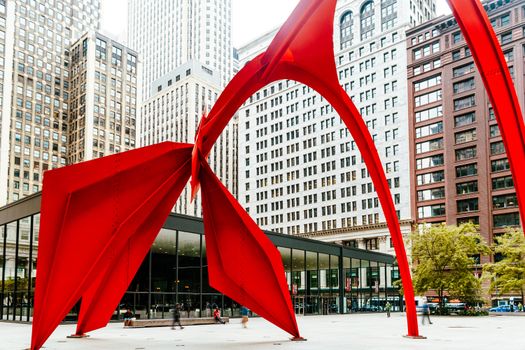 Photo: Thomas Parker / Pexels
Comparison
| Era/Movement | Key Artists | Defining Characteristics | Primary Mediums |
|---|---|---|---|
| Colonial/Early Republic | John S. Copley, Gilbert Stuart | Portraiture, realism, national identity | Oil Painting |
| Hudson River School | Thomas Cole, F.E. Church | Sublime landscapes, romanticism, manifest destiny | Oil Painting |
| Ashcan School | Robert Henri, George Bellows | Urban realism, everyday life, social commentary | Oil Painting, Printmaking |
| Abstract Expressionism | Jackson Pollock, Mark Rothko | Emotional expression, abstraction, gestural painting | Oil, Acrylic Painting |
| Pop Art | Andy Warhol, Roy Lichtenstein | Consumer culture, mass media, irony | Screenprinting, Painting, Sculpture |
What Readers Say
"This article brilliantly dissects the evolution of famous American artists. I particularly appreciated the depth on the Hudson River School, which really brought their landscapes to life for me."
Sarah J. · Boston, MA"As an art enthusiast, I found this incredibly comprehensive. The insights into Abstract Expressionism and Pop Art were superb, providing a fresh perspective on these influential movements."
Michael T. · Los Angeles, CA"The narrative flow of this piece on famous American artists is exceptional. It helped me connect the dots between different periods and truly understand the progression of American artistic identity."
Dr. Eleanor Vance · New York, NY"A very informative read, though I would have loved to see a bit more on contemporary Native American artists. Still, the coverage of the major movements and figures was excellent and highly engaging."
David R. · Chicago, IL"This article was perfect for my art history project! The detailed explanations of each artist's contribution made understanding their impact on famous American artists much clearer."
Emily K. · Austin, TXFrequently Asked Questions
Who are some of the most famous American artists?
Some of the most famous American artists include John Singleton Copley, Gilbert Stuart, Thomas Cole, Frederic Edwin Church, Georgia O'Keeffe, Edward Hopper, Jackson Pollock, Mark Rothko, Andy Warhol, and Roy Lichtenstein, among many others who have shaped various art movements and cultural landscapes. Their contributions span from early American portraiture and landscape to modern abstraction and pop art, achieving global recognition.
What distinguishes American art from European art?
While initially influenced by European traditions, American art developed its unique characteristics by reflecting the nation's distinct history, diverse cultures, and vast landscapes. It often emphasizes themes of national identity, individualism, urban realism, and a pioneering spirit, eventually leading to groundbreaking movements like Abstract Expressionism and Pop Art that originated in the US and influenced the world.
How can I learn more about specific famous American artists?
To learn more about specific famous American artists, start by visiting major art museums and galleries that house their works, such as the Metropolitan Museum of Art, the Museum of Modern Art, or the National Gallery of Art. Additionally, delve into biographies, art history books, academic journals, and reputable online resources that offer in-depth analyses of their lives, techniques, and impact.
Is American art primarily painting, or does it include other mediums?
While painting has been a dominant medium for many famous American artists, American art is incredibly diverse and encompasses a wide array of mediums. This includes sculpture (e.g., Alexander Calder), photography (e.g., Ansel Adams), printmaking, conceptual art, performance art, and various new media, reflecting the dynamic and experimental nature of American artistic expression throughout history.
How did American art achieve international recognition?
American art gained significant international recognition primarily after World War II, when movements like Abstract Expressionism (e.g., Jackson Pollock) and later Pop Art (e.g., Andy Warhol) emerged from the United States. These movements were revolutionary and challenged existing artistic norms, establishing New York City as a new global art capital and influencing artists worldwide with their innovative approaches and bold expressions.
Who should explore the works of famous American artists?
Anyone with an interest in art history, cultural studies, or the development of national identity will find immense value in exploring the works of famous American artists. Students, art enthusiasts, historians, and even casual observers looking to understand America's past and present through a creative lens will benefit from delving into their diverse contributions and profound legacies.
Are there any risks in misinterpreting famous American artists' works?
Misinterpreting artists' works is a common challenge, as art is subjective. However, understanding the historical, cultural, and personal context of famous American artists' creations can minimize misinterpretation. It's important to approach art with an open mind, research the artist's intentions, and consider diverse perspectives to gain a richer and more informed appreciation of their meaning.
What are the future trends in American art, building on the legacy of famous artists?
Building on the legacy of famous American artists, future trends are likely to continue embracing diversity in medium, subject matter, and artist background. Expect further exploration of digital art, augmented reality, and AI-generated art, alongside continued engagement with social justice, environmental themes, and identity politics. The boundaries between art and technology, and art and activism, will continue to blur, fostering innovative expressions.
Embark on a journey through the compelling history of famous American artists. Their groundbreaking works and enduring legacies continue to inspire and challenge, inviting us to see the world through a uniquely American lens. Explore their masterpieces and deepen your appreciation for the rich tapestry of American art.