What is Contemporary Art? A Deep Dive for Modern Enthusiasts
what is contemporary art

What is Contemporary Art? A Deep Dive for Modern Enthusiasts

Explore the vibrant, diverse, and often challenging world of art created in our lifetime and its profound impact.

Discover Contemporary Art

Key Takeaways

  • ✓ Contemporary art generally refers to art produced from the 1960s or 1970s up to the present day.
  • ✓ It is characterized by its diversity, often incorporating new media, technology, and interdisciplinary approaches.
  • ✓ Contemporary art frequently challenges traditional notions of art, beauty, and authorship, engaging with social, political, and cultural issues.
  • ✓ There is no single dominant style; instead, it embraces a multitude of movements, practices, and conceptual frameworks.

How It Works

1
Embrace Open-Mindedness

Approach contemporary art without preconceived notions of what art 'should' be. Be willing to engage with new ideas and forms.

2
Look Beyond the Surface

Many contemporary works are conceptual, meaning the idea behind the art is as important, if not more so, than the aesthetic object itself. Ask 'why' it was made.

3
Contextualize the Work

Understanding the social, political, and historical context in which an artwork was created can unlock deeper meaning. Research the artist and their influences.

4
Engage and Discuss

Share your thoughts and questions with others, whether friends, docents, or fellow gallery-goers. Dialogue often enriches the experience and understanding of complex pieces.

Defining 'What Is Contemporary Art?' – More Than Just a Timeline
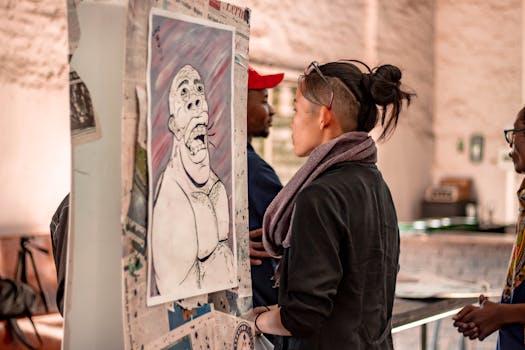
Back view contemplative ethnic female with creative haircut in casual wear looking at caricature painting in modern art exhibition Photo: INSYNCT MEDIA / Pexels
When we ask 'what is contemporary art,' we're not just looking for a simple date range. While generally understood to encompass art from the 1960s or 1970s to the present, contemporary art is more accurately defined by its spirit, its methodologies, and its engagement with the present moment. Unlike historical art periods, which are often neatly categorized by distinct styles or philosophical underpinnings (think Renaissance humanism or Romanticism's emphasis on emotion), contemporary art is characterized by its radical diversity and its often-deliberate resistance to singular categorization. It’s a vast, ever-evolving landscape that mirrors the complexities of our own time. It blurs boundaries, challenges conventions, and frequently questions the very definition of art itself. This period marks a significant departure from the modern art era that preceded it, which, while revolutionary in its own right, often sought to establish new aesthetic principles. Contemporary art, by contrast, is less concerned with establishing new 'isms' and more with exploring ideas, processes, and the interaction between art and audience. It thrives on experimentation, often employing unconventional materials, new technologies, and interdisciplinary approaches that draw from performance, science, philosophy, and everyday life. Artists working today often delve into themes of identity, globalization, environmentalism, technology's impact, social justice, and the nature of reality. They use their work to reflect on, critique, and even shape the world around them, making it a powerful mirror of contemporary society. Understanding this fundamental shift from aesthetic-driven art to concept-driven art is crucial for anyone seeking to grasp the essence of this vibrant field. It requires a willingness to look beyond traditional notions of beauty and craftsmanship and to engage with the intellectual and emotional propositions an artwork presents. The experience of engaging with contemporary art is often less about passive admiration and more about active participation and critical reflection, inviting viewers to become co-conspirators in meaning-making. For further exploration of historical contexts, consider reading about the evolution of modern art, which laid much of the groundwork for contemporary practices.

Key Characteristics and Enduring Themes of Contemporary Artistic Expression

A captivating view of a geometric blue dome ceiling with hanging installations in Antalya. Photo: Engin Akyurt / Pexels
Beyond its chronological placement, contemporary art distinguishes itself through several defining characteristics and recurring thematic concerns. Firstly, its embrace of conceptualism is paramount. Many works prioritize the idea or message over traditional aesthetic appeal or technical mastery. The 'what' and 'how' are often less important than the 'why.' This can manifest in minimalist installations, performance art, or works that require significant viewer interaction to complete their meaning. Secondly, contemporary art is inherently pluralistic. There is no single dominant style or movement; instead, it is a kaleidoscope of approaches, from hyperrealism to abstraction, from digital art to traditional painting and sculpture. This pluralism reflects a globalized world where artists draw inspiration from diverse cultures, histories, and personal experiences, breaking free from the Eurocentric dominance that once characterized much of art history. Thirdly, it frequently challenges traditional media and incorporates new technologies. Video art, digital installations, virtual reality, augmented reality, and bio-art are just a few examples of how artists are pushing the boundaries of what constitutes an artistic medium. Found objects, everyday materials, and ephemeral forms are also common, questioning the permanence and preciousness often associated with art. Fourthly, engagement with social, political, and cultural issues is a hallmark. Contemporary artists often act as commentators, critics, and provocateurs, using their work to address pressing concerns such as climate change, human rights, gender identity, racial injustice, consumerism, and the complexities of globalization. Their art can be a powerful tool for advocacy, awareness, and social change, often sparking dialogue and debate. Finally, the role of the viewer is often redefined. Rather than being passive observers, audiences are frequently invited to participate, interact, or even complete the artwork through their presence and interpretation. This interactive dynamic underscores the idea that meaning is not fixed but is co-created in the encounter between the artwork and its audience. These characteristics underscore contemporary art's dynamic, interrogative, and often boundary-pushing nature, inviting us to rethink our relationship with art and the world.

Influential Movements and Groundbreaking Artists Shaping the Present

While contemporary art resists easy categorization into rigid 'movements' in the way modern art did, several influential tendencies and individual artists have significantly shaped its trajectory since the mid-20th century. Pop Art, emerging in the 1950s and 60s with figures like Andy Warhol and Roy Lichtenstein, challenged traditional fine art by incorporating imagery from popular culture and advertising, blurring the lines between high and low art. This paved the way for later artists to engage directly with consumerism and mass media. Minimalism, exemplified by artists such as Donald Judd and Dan Flavin, focused on geometric forms, industrial materials, and the viewer's experience of space, stripping away decorative elements to emphasize the object's pure form and presence. Conceptual Art, championed by artists like Sol LeWitt and Joseph Kosuth, pushed the idea that the concept or idea behind the artwork is paramount, often resulting in works that were text-based, ephemeral, or even invisible. Performance Art, with pioneers like Marina Abramović and Allan Kaprow, made the artist's body and live action the primary medium, exploring themes of identity, ritual, and endurance. Land Art, or Earth Art, saw artists like Robert Smithson and Walter De Maria creating monumental works directly in the landscape, often using natural materials and drawing attention to environmental concerns and the passage of time. More recently, artists engaging with themes of identity and representation have gained significant prominence. Kara Walker, for example, uses silhouette cutouts to explore race, gender, sexuality, and violence in American history. Ai Weiwei, a prominent Chinese artist and activist, uses sculpture, installation, and photography to critique political power and advocate for human rights. Yayoi Kusama's immersive installations, characterized by polka dots and infinite reflections, explore themes of mental health, infinity, and obsession, drawing massive global audiences. The rise of digital art and new media has also introduced a wave of artists exploring virtual realities, AI-generated art, and interactive digital experiences. Olafur Eliasson's large-scale installations often engage with natural phenomena like light and water, inviting viewers to experience art through their senses and challenging their perception of reality. These artists and movements, among countless others, demonstrate the boundless creativity and critical engagement that define contemporary art, continually pushing the boundaries of what art can be and do. For a broader historical context, you can explore the history of art movements leading up to the contemporary period.

Navigating and Appreciating Contemporary Art: Tips for the Curious Viewer

Approaching contemporary art can sometimes feel daunting, especially if you're accustomed to more traditional forms. However, with a few key strategies, you can unlock a rich and rewarding experience. First and foremost, let go of the need to 'like' everything. Contemporary art isn't always about pleasant aesthetics; it's often about challenging perceptions, provoking thought, or even making you uncomfortable. Allow yourself to experience the work without immediate judgment. Instead of asking 'Is this good art?', try asking 'What is this art trying to say?' or 'What questions does this artwork raise for me?' Read the accompanying wall text or exhibition catalog whenever possible. These often provide crucial context about the artist's intentions, the materials used, and the broader themes being explored. This information can transform a confusing object into a profound statement. Don't be afraid to ask questions. Museum docents and gallery staff are usually eager to share insights and engage in discussion. Your questions can also help you articulate your own understanding of the work. Engage your senses beyond just sight. Contemporary art often incorporates sound, touch, smell, or requires physical interaction. Be open to these multi-sensory experiences. Consider the environment. How does the artwork interact with the space it occupies? Is it site-specific? The context of presentation can be as important as the artwork itself. Finally, understand that there's no single 'right' interpretation. Your personal response and understanding are valid parts of the art experience. Contemporary art invites dialogue and individual reflection, making every encounter unique. **Tips for Deeper Engagement:** * **Start Small:** Visit local galleries and smaller exhibitions before tackling major museums. This can be less overwhelming. * **Attend Artist Talks:** Hearing artists discuss their own work provides invaluable insight into their creative process and intentions. * **Follow Art Critics:** Reading diverse perspectives from art critics can broaden your understanding and introduce you to new ways of thinking about art. * **Explore Online Resources:** Many museums offer virtual tours, artist interviews, and educational materials online. * **Revisit Works:** Sometimes an artwork makes more sense or reveals new layers upon a second or third viewing. Your understanding evolves as you do. * **Connect with Others:** Discussing art with friends or joining an art appreciation group can offer new perspectives and deepen your engagement.

Comparison

FeatureContemporary ArtModern ArtTraditional/Classical Art
Time Period1960s/70s - Present1860s - 1960s/70sPre-1860s (e.g., Renaissance, Baroque)
Primary FocusConcept, Idea, ExperienceInnovation, New AestheticsBeauty, Narrative, Skill
Media & MaterialsDiverse (new media, found objects, performance)Painting, Sculpture (traditional with new approaches)Painting, Sculpture (traditional mediums)
Audience RoleActive Participant, InterpreterObserver, Appreciator of formObserver, Viewer of narrative

What Readers Say

"This article completely demystified what is contemporary art for me. I used to feel intimidated, but now I feel equipped to actually engage with it and appreciate its depth. Truly helpful perspectives."

Sarah J. · Brooklyn, NY

"As an aspiring artist, understanding the nuances of contemporary art is crucial. This piece offers an excellent framework for how to approach and interpret these often challenging works. The historical context was particularly strong."

Mark T. · Los Angeles, CA

"I always struggled with 'what is contemporary art' and why it matters. After reading this, I visited a local gallery and felt a profound connection to a piece I previously would have dismissed. It really changed my perspective!"

Elena R. · Chicago, IL

"While comprehensive, some of the conceptual ideas still require a bit of mental gymnastics. However, the tips for appreciation were spot-on, and I've already started applying them during my museum visits."

David L. · Austin, TX

"This guide is a must-read for anyone feeling lost in the contemporary art world. It broke down complex ideas into understandable segments and made me excited to explore more. My understanding of art has definitely expanded."

Chloe K. · Seattle, WA

Frequently Asked Questions

What is the main difference between modern art and contemporary art?

Modern art generally refers to art from the 1860s to the 1960s/70s, focusing on breaking from tradition and exploring new aesthetic forms. Contemporary art, from the 1960s/70s to the present, is more diverse, conceptual, and often directly engages with social, political, and cultural issues of our time, frequently blurring disciplinary boundaries.

Why does contemporary art often seem so confusing or inaccessible?

Contemporary art can be challenging because it often prioritizes concept over traditional aesthetics, uses unconventional materials, or requires viewer participation to complete its meaning. It asks viewers to engage intellectually and emotionally, rather than just visually, and to question preconceived notions of what art 'should' be. This challenge is part of its power.

How can I start appreciating contemporary art if I'm a beginner?

Start by visiting local galleries or smaller museum exhibitions. Read the wall texts and artist statements to understand the context and ideas behind the work. Don't be afraid to ask questions, and focus on what the art makes you feel or think, rather than whether you 'like' it aesthetically. Embrace an open mind and a willingness to learn.

Is contemporary art worth investing in, and how do I determine its value?

Like any art market, the value of contemporary art can be subjective and fluctuate. Investment potential depends on factors like the artist's reputation, critical acclaim, exhibition history, and market demand. For serious investment, consulting with art advisors, attending reputable auctions, and researching market trends are crucial. Its cultural value, however, is often immeasurable.

How does contemporary art compare to street art or urban art?

Street art and urban art are significant sub-genres within contemporary art. While not all contemporary art is street art, and not all street art seeks gallery representation, many street artists (like Banksy or Shepard Fairey) are recognized for their profound impact on contemporary art, bringing political commentary and diverse aesthetics to public spaces and challenging institutional norms.

Who should engage with contemporary art?

Anyone with an open mind and a curiosity about the world should engage with contemporary art. It offers unique perspectives on current events, human experience, and philosophical questions. It's for those who enjoy intellectual challenges, appreciate diverse forms of expression, and are interested in the ongoing dialogue between art and society.

Are there any 'rules' or 'standards' for what constitutes good contemporary art?

Unlike classical art with its established canons, contemporary art largely rejects rigid rules or universal standards of 'goodness.' Its value often lies in its ability to provoke thought, challenge norms, innovate conceptually, or engage effectively with relevant societal issues. Authenticity, relevance, and impact are often more valued than adherence to traditional techniques or beauty standards.

What trends are currently shaping the future of contemporary art?

Current trends include a growing emphasis on digital art (NFTs, AI art, VR/AR), increased focus on environmental art and sustainability, greater representation of diverse voices and identities, and continued exploration of interdisciplinary practices. The impact of global events and technology will continue to drive new forms and themes in the art world.

Embark on your journey into the fascinating world of contemporary art. Visit a local gallery, explore online exhibitions, and allow yourself to be challenged and inspired by the art of our time. The conversation starts now.

Topics: what is contemporary artmodern art definitioncontemporary art characteristicsart movements post-1960show to understand contemporary art
Leo List
Brampton weed
Adultwork