What is Contemporary Art? A Deep Dive for Beginners

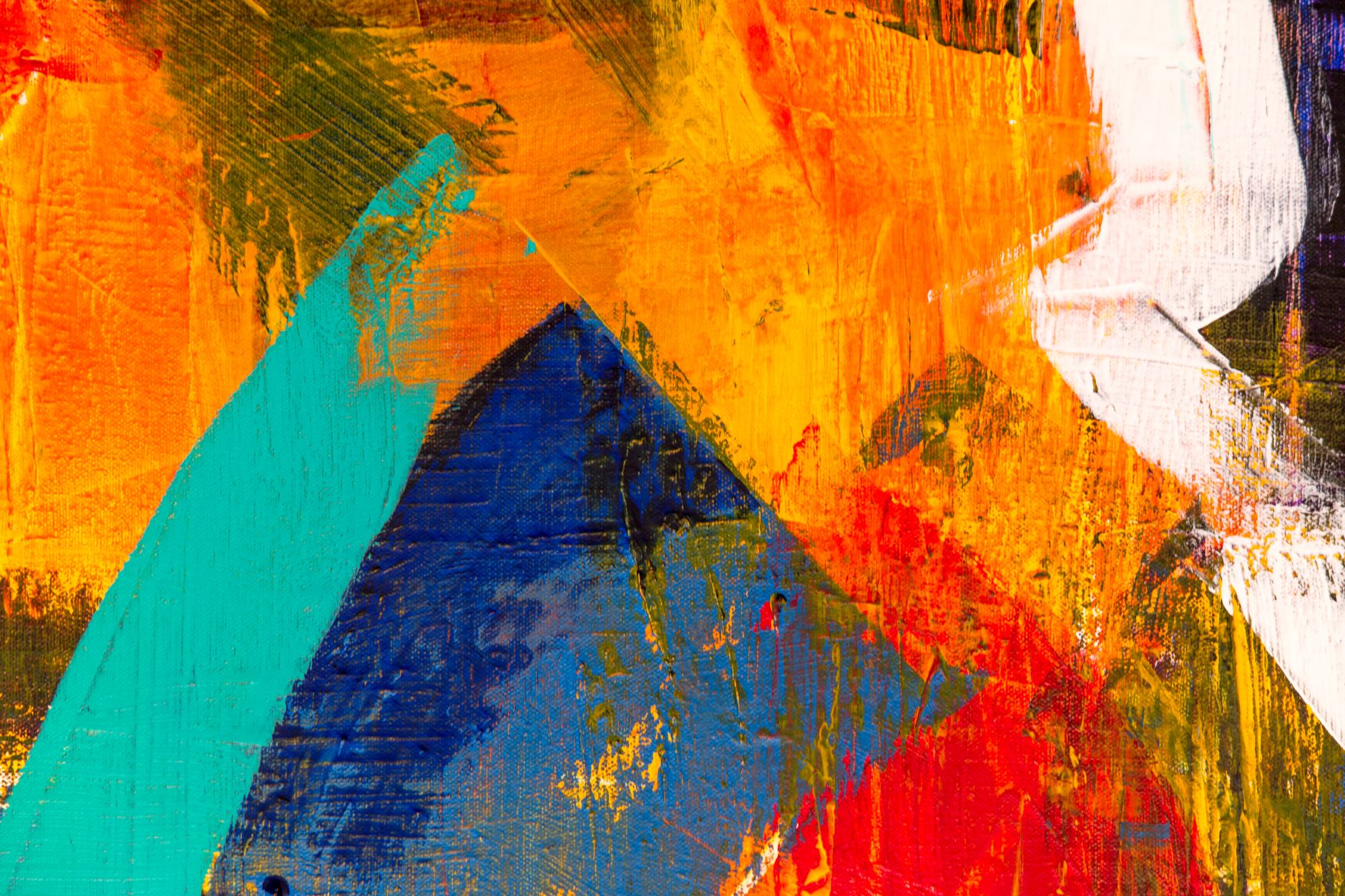
Vibrant abstract painting featuring textured white and red acrylic brushstrokes.Photo: Steve A Johnson / Pexels

What is Contemporary Art? A Deep Dive for Beginners

Explore the vibrant, diverse, and often challenging world of contemporary art, from its origins to its impact today.

Start Your Art Journey

Key Takeaways

  • ✓ Contemporary art generally refers to art made from the 1960s/70s to the present day.
  • ✓ It is characterized by diverse media, concepts, and a rejection of traditional aesthetic norms.
  • ✓ Social, political, and cultural commentary are central themes in much contemporary art.
  • ✓ Audience participation and the artist's intent often play a crucial role in its interpretation.

How It Works

1
Understand the Timeline

Contemporary art follows modern art, beginning roughly post-World War II or with the rise of Pop Art. It's an ongoing, evolving period.

2
Embrace Diversity

There's no single style or medium. Contemporary art encompasses everything from painting and sculpture to performance, video, and installation art.

3
Look Beyond Aesthetics

Often, the concept or message behind a piece is more important than its traditional beauty. Engage with the artist's ideas.

4
Question and Engage

Don't be afraid to ask 'why?' or 'what does this mean?'. Contemporary art often invites dialogue and personal interpretation.

Defining Contemporary Art: Beyond the Canvas
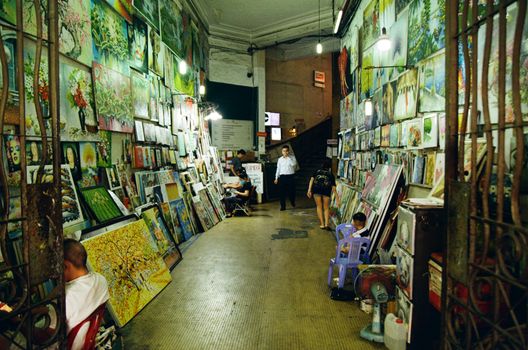
An artist in a creative studio surrounded by colorful paintings in New York City.Photo: Sandro Lopes Art / Pexels
The phrase "what is contemporary art" often sparks immediate confusion or even apprehension. Unlike historical art periods with clear stylistic boundaries and established masters, contemporary art is a moving target, a vibrant, sometimes chaotic, and endlessly evolving landscape. Broadly speaking, contemporary art refers to art produced from the latter half of the 20th century, specifically from the 1960s or 1970s, right up to the present day. This temporal definition is crucial because it distinguishes contemporary art from "modern art," which typically spans from the 1860s to the 1960s. While modern art broke away from academic traditions, contemporary art takes that rebellion even further, questioning the very definition of art itself, its purpose, and its place in society. One of the defining characteristics of contemporary art is its radical pluralism. There isn't one dominant style or movement; instead, we see a kaleidoscope of approaches, materials, and concepts. Artists are free to explore any medium imaginable – traditional painting and sculpture still exist, but they stand alongside video art, performance art, installation art, digital art, sound art, bio-art, and even socially engaged practices that defy easy categorization. This freedom allows artists to respond directly to the complex, globalized, and technologically advanced world they inhabit. They often grapple with pressing social, political, and cultural issues such as identity, globalization, environmentalism, technology's impact, consumerism, and human rights. The art becomes a mirror, reflecting our anxieties, hopes, and contradictions. Understanding contemporary art also requires a shift in perspective from purely aesthetic appreciation to intellectual engagement. While some pieces may be visually stunning, others might challenge our preconceived notions of beauty, skill, or even what constitutes an artwork. The artist's intention, the conceptual framework, and the dialogue the work provokes often hold as much, if not more, significance than its surface appearance. This can be disorienting for those accustomed to art that is overtly beautiful or narrative. However, it opens up a world of deeper meaning and critical thinking. Exploring different art forms within this period can reveal how diverse and innovative contemporary artists truly are. The viewer's role, too, is often transformed from passive observer to active participant, invited to interpret, question, and even contribute to the artwork's meaning. This engagement is a hallmark of the contemporary experience, making art a dynamic and interactive encounter rather than a static one. The sheer breadth and depth of contemporary art can be overwhelming, but it's precisely this boundless creativity that makes it so compelling and relevant to our current human experience. It demands our attention, our thoughts, and often, our courage to look beyond the familiar.

Key Movements and Influences Shaping Contemporary Art

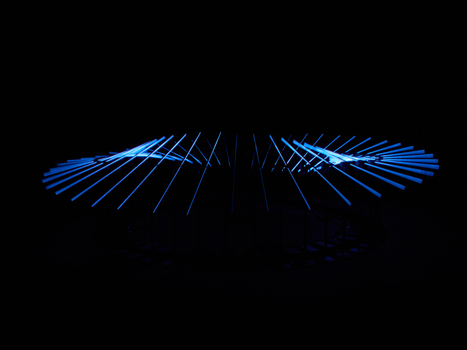
Contemporary art installation with hanging white raindrop shapes indoors.Photo: cottonbro studio / Pexels
To truly grasp what is contemporary art, it's helpful to trace some of the pivotal movements and intellectual currents that have shaped its trajectory. While contemporary art eschews singular movements in the way modernism did, certain periods and schools of thought have left indelible marks. Pop Art, emerging in the 1950s and 60s, serves as a crucial bridge from modernism, directly challenging the elitism of abstract expressionism by incorporating imagery from popular culture, advertising, and everyday objects. Artists like Andy Warhol and Roy Lichtenstein elevated consumer products and celebrity culture to fine art, blurring the lines between high and low culture and setting a precedent for art to reflect and critique mass media. Following Pop Art, Minimalism and Conceptual Art in the 1960s and 70s further stripped art down to its most fundamental elements. Minimalism focused on geometric forms, industrial materials, and the viewer's experience of the artwork in space, often rejecting overt emotional content or narrative. Conceptual Art, on the other hand, prioritized the idea or concept behind the artwork over its physical form. For conceptual artists, the planning and intellectual process were the art itself, sometimes manifesting in ephemeral or text-based works. This emphasis on ideas over objects profoundly influenced subsequent generations, encouraging artists to think critically about the nature of art and its presentation. The 1980s saw a return to painting and figurative art, often with a raw, expressive energy, dubbed Neo-Expressionism. This period also witnessed the rise of identity politics in art, with artists exploring themes of race, gender, sexuality, and post-colonialism. This focus on individual and collective identities became a persistent and powerful force in contemporary art, giving voice to previously marginalized perspectives. The proliferation of new technologies has also been a constant influence. Video art, pioneered by artists like Nam June Paik, opened up new temporal and narrative possibilities. More recently, digital art, internet art, and virtual reality art have pushed the boundaries of creation and dissemination, reflecting our increasingly digital lives. These technological advancements not only offer new tools but also inspire artists to question our relationship with the digital realm, surveillance, and information overload. The interdisciplinary nature of much contemporary art means that artists often draw from philosophy, science, sociology, and even activism, creating works that are intellectually rich and socially resonant. This ongoing dialogue with the world around us is what keeps contemporary art perpetually fresh and relevant, constantly pushing the boundaries of what art can be and do.

How to Approach and Appreciate Contemporary Art

Visitors in an art gallery engaging with blue abstract artworks. Captured indoors with contemporary art, diverse visitors enhancing the scene.Photo: This And No Internet 25 / Pexels
For many, the world of contemporary art can feel intimidating or inaccessible. You might find yourself staring at a pile of bricks, a video loop, or a stark white canvas, wondering, "Is this really art?" The key to appreciating what is contemporary art lies not in immediate understanding or universal agreement, but in a willingness to engage, question, and open your mind to new perspectives. Forget the notion that art must be beautiful in a traditional sense or that it must tell a clear story. Contemporary art often aims to provoke thought, challenge norms, or elicit a visceral reaction, rather than simply please the eye. Start by acknowledging that contemporary art is a reflection of our complex times. Just as our society is diverse and multifaceted, so too is its art. Instead of asking "What is it?" try asking "What is it about?" or "What is the artist trying to communicate?" Look for clues in the title, accompanying wall texts, or artist statements, which often provide invaluable context and insight into the artist's intentions. These materials are not meant to dictate your interpretation, but rather to offer a starting point for your own engagement. Consider the materials used and why. Is the artist using found objects, industrial materials, or ephemeral substances? The choice of material can be as significant as the form itself, carrying symbolic weight or commenting on consumerism, waste, or technological progress. Another helpful approach is to consider the context in which the art is presented. Where is it displayed? How does the space influence your experience? Is it in a gallery, a public space, or online? The setting can be an integral part of the artwork's meaning. Don't be afraid to voice your initial reactions, whether confusion, delight, or even anger. These reactions are valid and can be a springboard for deeper inquiry. Discuss the art with others; different perspectives can illuminate aspects you might have missed. Many museums and galleries offer guided tours, talks, or educational programs specifically designed to demystify contemporary art and provide tools for interpretation. Engaging with these resources can significantly enhance your appreciation. Remember, there's no single 'right' answer or interpretation. The beauty of contemporary art often lies in its openness, its ability to spark personal reflection, and its capacity to broaden our understanding of the world and ourselves. Embrace the journey of discovery, and you'll find that contemporary art can be one of the most rewarding and thought-provoking experiences. Explore local art exhibitions to immerse yourself in these experiences firsthand.

Common Misconceptions and Tips for Engaging with Contemporary Art

A young boy ponders his next creative stroke with a paintbrush in an art studio.Photo: Pavel Danilyuk / Pexels
Many people harbor misconceptions about contemporary art that hinder their ability to engage with it. Dispelling these myths is the first step towards a more rewarding experience. One prevalent misconception is that contemporary art requires specialized knowledge or an art history degree to be understood. While background knowledge can enhance appreciation, it's not a prerequisite. The most important tool is an open mind and a willingness to think critically. Another common belief is that if you don't immediately 'get it' or find it aesthetically pleasing, then it's 'bad art' or 'not art at all.' Contemporary art often challenges our preconceived notions of what art should be, and its value frequently lies in its intellectual provocation rather than its visual appeal. **Tips for Engaging with Contemporary Art:** * **Read the Wall Text:** This is your primary guide. It often provides context about the artist, their intentions, the materials, and the themes explored. Don't skip it! * **Observe Actively:** Take your time. Look at the details, the materials, the scale, and how the piece interacts with its environment. What do you see, hear, or even feel? * **Ask Open-Ended Questions:** Instead of demanding an immediate answer, ask yourself: "What questions does this art raise for me?" "How does it make me feel?" "What larger ideas might it be addressing?" * **Research the Artist:** A quick search about the artist's background, previous works, and philosophy can provide immense insight into their current piece. * **Visit Multiple Galleries/Museums:** Exposure to a wide range of contemporary art helps build a personal vocabulary and understanding of different styles and concepts. * **Attend Artist Talks or Discussions:** Hearing artists speak about their work directly, or listening to curators discuss exhibitions, can be incredibly illuminating. * **Trust Your Own Experience:** While external information is valuable, your personal reaction and interpretation are equally valid. Art is a dialogue, and your voice matters. By shedding these misconceptions and adopting a more inquisitive and open approach, anyone can find meaning and enjoyment in the diverse and challenging world of contemporary art. It's an invitation to think, feel, and connect with the pressing issues and creative expressions of our time.

Comparison

FeatureContemporary ArtModern ArtTraditional Art
Time Period1960s/70s - Present1860s - 1960sPre-1860s
Defining CharacteristicConceptual, Pluralistic, Diverse MediaBreak from Tradition, New StylesRepresentational, Technical Mastery
FocusIdeas, Social Commentary, ExperienceForm, Color, Emotion, SubjectivityNarrative, Religious/Mythological, Beauty
MediaAnything imaginable (video, performance, digital)Painting, Sculpture (often new techniques)Painting, Sculpture (classical)

What Our Readers Say

5 ★★★★★

"This article completely demystified what is contemporary art for me. I used to feel so lost in galleries, but now I have a framework to approach the pieces and actually enjoy them. It's incredibly helpful."

5 ★★★★★

"As an aspiring artist, understanding the context of contemporary art is crucial. This guide provided an excellent overview of the movements and ideas that shape today's art world, without oversimplifying."

5 ★★★★★

"I always thought contemporary art was just 'weird,' but this article helped me see the thought process behind it. I visited a museum last weekend and actually felt connected to a few pieces, a huge step for me!"

4 ★★★★☆

"A very thorough explanation, though I still find some aspects challenging to grasp. The tips for engagement were particularly useful, making me feel less intimidated about my next gallery visit."

5 ★★★★★

"From a collector's perspective, this piece offers valuable insights into the conceptual underpinnings of contemporary works. It reiterates the importance of understanding the 'why' behind the art."

Frequently Asked Questions

What is the main difference between modern and contemporary art?
Modern art generally refers to art from the 1860s to the 1960s, characterized by a break from traditional forms and an emphasis on individual expression and new styles. Contemporary art, dating from the 1960s/70s to the present, is marked by extreme diversity, conceptual focus, and a willingness to use any medium or engage with current social, political, and cultural issues. While modern art sought to redefine art, contemporary art often questions its very definition and purpose.
Why does some contemporary art seem 'easy' or 'unskilled'?
This is a common concern. Often, the value in contemporary art lies not in traditional technical skill or aesthetic beauty, but in the concept, the artist's message, or the dialogue it provokes. Artists might intentionally use everyday objects or simple forms to challenge notions of value, comment on consumerism, or focus attention on an idea rather than a craft. It requires a shift from looking for 'skill' to looking for 'meaning' or 'intent'.
How can I start appreciating contemporary art if I'm a beginner?
Start by visiting local galleries or museums and reading the wall texts and artist statements carefully. Don't feel pressured to 'like' everything; instead, focus on understanding the artist's intent and the questions the work raises. Attend guided tours or artist talks, and don't be afraid to discuss the art with others. The key is an open mind and a willingness to engage with new ideas, rather than seeking traditional beauty or narrative.
Is contemporary art expensive to collect?
The cost of contemporary art varies wildly. While pieces by established, world-renowned artists can fetch millions, there's also a vibrant market for emerging artists whose work is significantly more affordable. Many galleries specialize in new talent, and art fairs offer opportunities to discover and purchase works at various price points. It's possible to start a contemporary art collection on a modest budget by focusing on prints, smaller works, or artists early in their careers.
How does contemporary art compare to street art or graffiti?
While often distinct in their origins and legal status, there's significant overlap. Street art and graffiti, once seen as purely vandalism, have increasingly been recognized and integrated into the contemporary art world, especially as artists like Banksy gain global recognition. Many contemporary artists draw inspiration from or directly engage with urban art forms, blurring the boundaries and contributing to the pluralistic nature of contemporary art. Both often share a desire to provoke, comment on society, and engage directly with public spaces.
Who should engage with contemporary art?
Anyone interested in understanding the world we live in should engage with contemporary art. It's for curious minds, critical thinkers, and those who enjoy being challenged. It's particularly relevant for individuals who want to explore current social issues, philosophical questions, and innovative forms of expression. You don't need to be an 'art person' to find contemporary art engaging and thought-provoking; you just need an open mind.
Are there any 'rules' or ethical considerations in contemporary art?
While contemporary art often challenges traditional rules, ethical considerations are increasingly prominent. Artists frequently grapple with issues of cultural appropriation, representation, environmental impact of materials, and the ethics of performance art involving audiences. The art world itself is also addressing issues of diversity, inclusion, and fair labor practices. These discussions reflect broader societal ethical debates and influence both the creation and reception of contemporary works.
What are the future trends in contemporary art?
Future trends in contemporary art are likely to continue exploring the impact of technology, particularly AI, virtual reality, and augmented reality, on human experience and creativity. Expect more interdisciplinary collaborations, a deeper focus on climate change and environmental art, and continued exploration of identity politics and global narratives. The decentralization of art through NFTs and blockchain technology also points to new models of ownership and interaction within the art market.

Embark on your own journey into the captivating world of contemporary art. By embracing curiosity and an open mind, you'll discover a rich tapestry of ideas, emotions, and critical perspectives that illuminate our complex present and future.

Topics: what is contemporary artcontemporary art definitionmodern art vs contemporary artcontemporary art movementsappreciating contemporary art