
What is Street Art Definition? Unveiling Its True Essence
Dive deep into the dynamic world of street art, understanding its core identity, evolution, and societal resonance.
Explore the ArtKey Takeaways
- ✓ Street art is art created in public spaces, typically unsanctioned.
- ✓ Its origins are deeply intertwined with graffiti, but it encompasses a broader range of styles and messages.
- ✓ Common forms include murals, stencils, stickers, wheatpasting, and installations.
- ✓ It often serves as a powerful medium for social commentary and political expression.
How It Works
Street art initially grew out of counter-cultural movements, using public walls as canvases for expression. It was a rebellion against traditional art institutions and galleries.
Unlike gallery art, street art is accessible to everyone, fostering direct engagement with the public. It often sparks dialogue and challenges perceptions in daily urban life.
Artists employ a vast array of techniques, from spray paint and stencils to mosaics and projections. This versatility allows for unique expressions and adaptations to various urban environments.
While often considered illicit, many cities now embrace and commission street art, recognizing its cultural value. This shift blurs lines between vandalism and public beautification.
The Evolving Landscape: What is Street Art Definition Beyond the Surface?
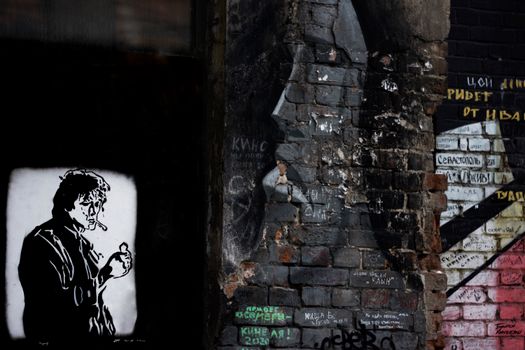 Photo: Vitali Adutskevich / Pexels
From Graffiti Roots to Global Phenomenon: The Evolution of Street Art
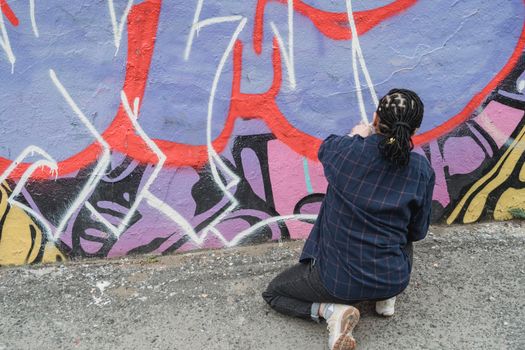 Photo: Felicity Tai / Pexels
Techniques and Messages: The Diverse Forms of Street Art
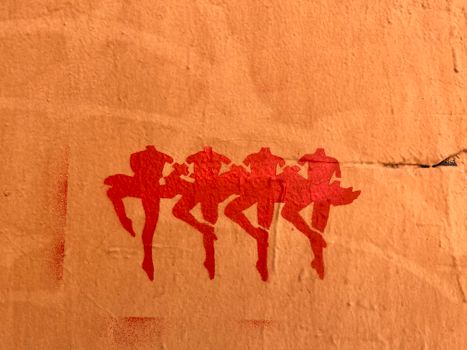 Photo: Lena Suvorova / Pexels
The Cultural Impact and Debates: Street Art's Place in Society
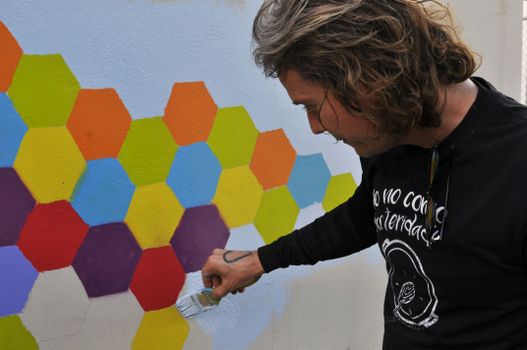 Photo: Erika Huertas / Pexels
Comparison
| Feature | Street Art (General) | Traditional Graffiti | Public Murals (Commissioned) |
|---|---|---|---|
| Legality | Often unsanctioned, sometimes commissioned | Typically unsanctioned, illegal | Fully sanctioned, legal |
| Primary Goal | Communicate message, beautify, provoke | Tagging, territorial marking, personal style | Beautification, community pride, storytelling |
| Audience | General public, art enthusiasts | Other writers, subculture members | General public, tourists |
| Mediums | Spray paint, stencils, wheatpaste, stickers, installations | Spray paint, markers | Paint (various types), sometimes mosaic |
| Ephemeral Nature | Often temporary, but some preserved | Highly temporary, easily removed/covered | Intended for long-term display |
| Artist Anonymity | Commonly anonymous (e.g., Banksy) | Often anonymous or using pseudonyms | Usually credited artists |
What Readers Say
"This article truly deepened my understanding of what street art definition entails. It's not just spray paint on a wall; it's a living, breathing commentary on our world. The history section was particularly enlightening."
Sarah L. · Brooklyn, NY"As an aspiring artist, I always wondered about the nuances. This piece expertly articulates what is street art definition, differentiating it from graffiti and highlighting its diverse forms. Very inspiring!"
Mark T. · Los Angeles, CA"I used to see street art as just 'graffiti,' but this article completely changed my perspective. Now I appreciate the social commentary and artistic skill behind it, making my walks through the city much richer."
Elena R. · Chicago, IL"The article is comprehensive and well-written, offering a solid 'what is street art definition.' While it touches on commercialization, I'd love even more exploration into how artists navigate that tension."
David M. · Portland, OR"Fantastic read! It breaks down complex ideas into understandable concepts, helping me explain 'what is street art definition' to my friends. The comparison table was a brilliant addition."
Jessica H. · Miami, FLFrequently Asked Questions
What is the primary difference between street art and graffiti?
While street art evolved from graffiti, the main difference lies in intent and form. Graffiti traditionally focuses on stylized lettering, tags, and personal branding, often within a subculture. Street art, conversely, encompasses a broader range of artistic styles, imagery, and messages, often aiming for wider public engagement and social commentary, though both can be unsanctioned.
Is all street art illegal?
No, not all street art is illegal. Historically, much of it was unsanctioned and thus illegal. However, many cities and property owners now commission street artists to create murals and installations, recognizing their cultural and beautifying value. The legality often depends on permission from the property owner.
How can I identify different types of street art?
You can identify different types by their techniques: murals are large-scale paintings; stencil art uses cut-out templates; wheatpasting involves paper posters glued to surfaces; sticker art uses pre-made stickers; and installations are 3D objects placed in public. Each has distinct visual characteristics.
Does street art increase property value?
In many cases, yes. High-quality, recognized street art can contribute to the cultural vibrancy and aesthetic appeal of a neighborhood, which in turn can attract residents and businesses, potentially leading to an increase in property values. This phenomenon is sometimes associated with gentrification.
How does street art compare to traditional gallery art?
Street art differs from traditional gallery art primarily in its context, accessibility, and often its impermanence. Gallery art is typically displayed in controlled, indoor environments, often for sale, and requires an intentional visit. Street art is in public spaces, free for all, and frequently created without explicit permission, engaging directly with the urban landscape and its inhabitants.
Who are some famous street artists?
Some of the most famous street artists include Banksy (known for his political stencils), Shepard Fairey (famous for his 'Obey Giant' campaign and Obama 'Hope' poster), Invader (pixelated mosaic art), JR (large-scale photographic installations), and Keith Haring and Jean-Michel Basquiat, who transitioned from street to gallery fame.
What are the risks involved in creating street art?
For unsanctioned street art, risks include legal consequences such as fines, arrests, and criminal charges for vandalism or property damage. Artists also face the risk of their work being removed or painted over, and in some areas, personal safety can be a concern depending on the location and time of creation.
What is the future trend for street art?
The future of street art likely involves continued integration with technology, such as augmented reality (AR) experiences and digital projections, further blurring lines between physical and virtual art. We may also see an increased focus on sustainability in materials and a greater push for sanctioned projects that blend artistic expression with urban planning and community development.
By now, you should have a comprehensive understanding of what is street art definition and its profound impact. This dynamic art form continues to shape our urban landscapes and challenge our perceptions. Embrace the art around you, and consider how these public expressions contribute to our collective cultural tapestry.