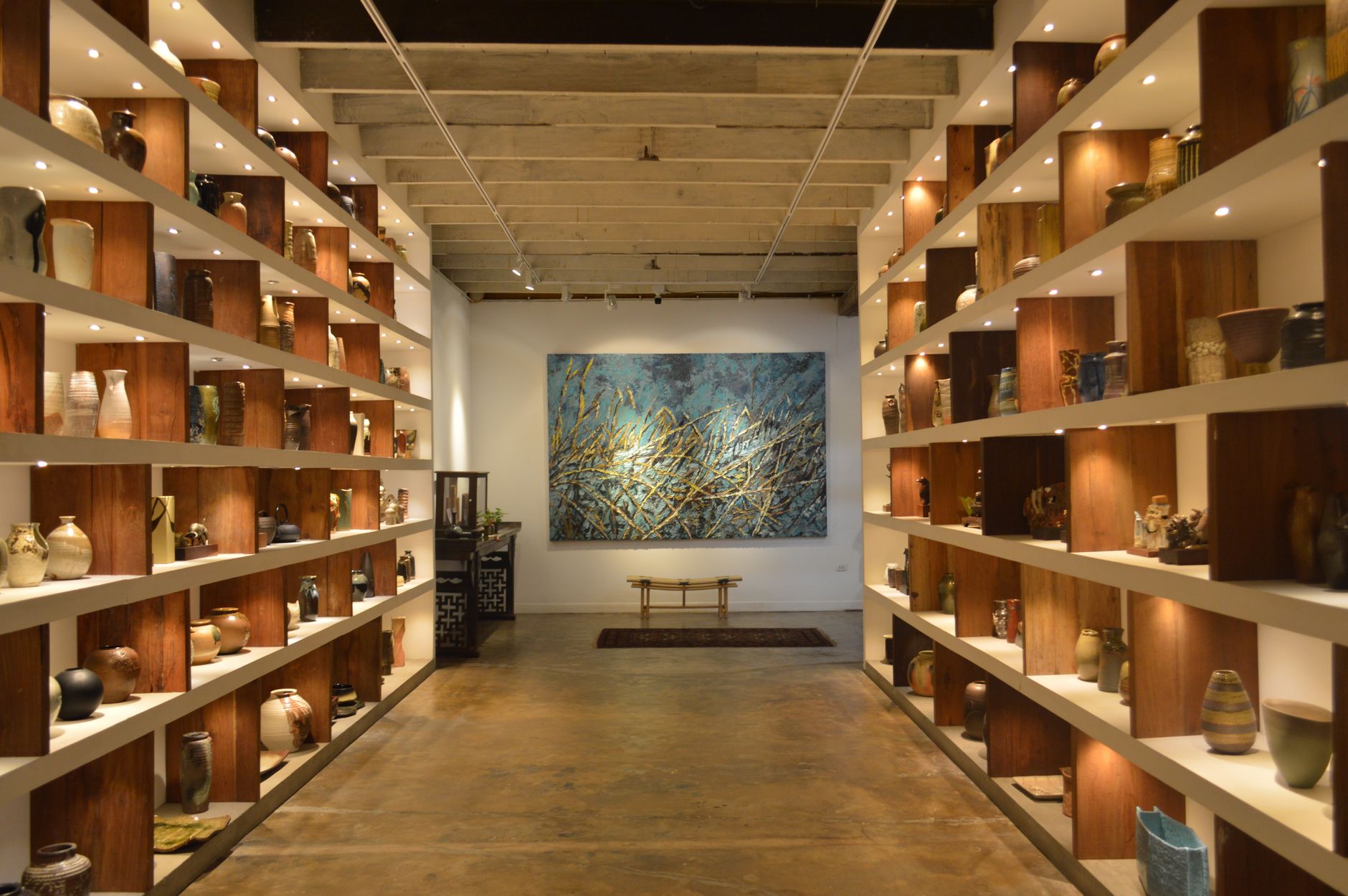
What is the Difference Between Fine Art and Craft?
fine art vs craft

What is the Difference Between Fine Art and Craft?

Explore the historical, philosophical, and practical distinctions that define these two powerful creative expressions.

Discover the Nuances

Key Takeaways

  • ✓ Fine art primarily focuses on aesthetic expression and conceptual ideas.
  • ✓ Craft traditionally emphasizes utility, skill, and mastery of a specific material.
  • ✓ The distinction has evolved significantly over centuries, particularly since the Renaissance.
  • ✓ Modern perspectives often blur the lines, recognizing artistic merit in both categories.

How It Works

1
Understand Historical Context

Delve into how societal views and academic institutions shaped the early separation of 'art' from 'craft.' Recognize the historical biases that influenced these categorizations.

2
Examine Core Intent

Consider the primary purpose behind the creation. Is it primarily for contemplation and emotional evocation (fine art) or for practical use and skilled production (craft)?

3
Analyze Material and Technique

Observe the materials used and the techniques employed. While both require skill, craft often highlights the mastery over a specific medium and its traditional application.

4
Evaluate Contemporary Blurring

Recognize how contemporary artists and craftspeople often transcend traditional boundaries, creating works that embody both aesthetic depth and functional excellence. Appreciate the fluidity of modern artistic expression.

The Historical Divide: From Renaissance to Modernism
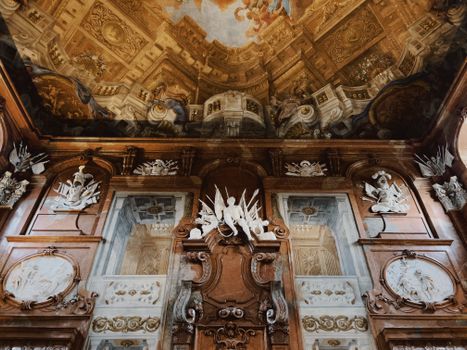
A detailed view of a Baroque interior with intricate ceiling art and sculptures. Photo: Mehmet Turgut Kirkgoz / Pexels
The question, "what is the difference between fine art and craft?" is not a new one; its roots stretch deep into the annals of art history, particularly gaining prominence during the European Renaissance. Before this period, particularly in medieval times, the distinction was less pronounced. Master artisans who created stained glass windows for cathedrals or intricate tapestries for royalty were often seen as highly skilled creators, with their work valued for both its beauty and its utility. The guilds, powerful associations of craftsmen, ensured high standards of production and often fostered innovation within their respective trades. However, the Renaissance brought about a significant shift in thinking. A new emphasis on humanism, individual genius, and intellectual pursuits began to elevate painting, sculpture, and architecture to a higher intellectual plane. Artists like Leonardo da Vinci and Michelangelo were celebrated not just for their manual dexterity but for their intellectual prowess, their understanding of anatomy, perspective, and philosophy. This era saw the emergence of the concept of the 'fine artist' – an individual whose work was born from intellectual conception and aesthetic purpose, rather than mere utility. The academies of art, which began to flourish in the 17th century, solidified this hierarchy, teaching painting, sculpture, and architecture as the 'fine arts' and relegating pottery, weaving, metalwork, and other functional objects to the realm of 'craft.' These academies emphasized drawing from classical models, historical narratives, and mythological themes, all intended to elevate the mind and spirit. Craft, by contrast, was often associated with manual labor, traditional techniques passed down through generations, and the production of utilitarian objects. It was seen as less intellectual, less original, and therefore, of a lower status. This historical categorization has profoundly influenced how we perceive and value different forms of creative expression even today. Understanding this historical context is crucial to grasping the foundational arguments surrounding the distinction between various art forms and craft. The industrial revolution further exacerbated this divide, as mass production made handcrafted items seem less efficient and sometimes less 'perfect' than their machine-made counterparts, pushing craft further into the realm of the niche or the nostalgic, while fine art continued to assert its intellectual and aesthetic dominance.

Core Intent and Purpose: Utility vs. Aesthetic Contemplation
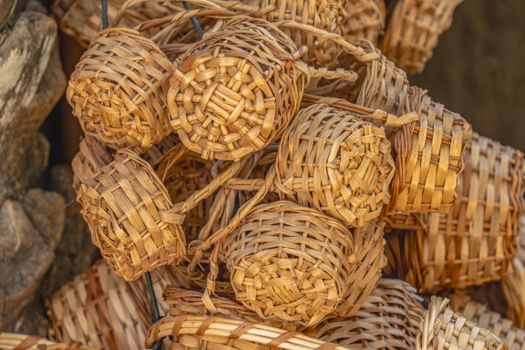
Detailed shot of handcrafted woven baskets showcasing intricate craftsmanship in Elche, Spain. Photo: Emilio Sánchez Hernández / Pexels
At the heart of what distinguishes fine art from craft lies a fundamental difference in their primary intent and purpose. While both require skill, creativity, and often a deep understanding of materials, their raison d'être often diverges. Fine art, in its purest form, is typically created for aesthetic contemplation, emotional expression, or conceptual exploration. Its main purpose is to evoke thought, feeling, or a unique sensory experience in the viewer. A painting, a sculpture, or a performance piece might challenge societal norms, explore the human condition, or simply exist as an object of profound beauty. The artist's intention is often singular: to communicate an idea, an emotion, or a vision, without the constraint of practical application. The value of fine art is frequently tied to its originality, its conceptual depth, and its ability to push boundaries or offer new perspectives. Craft, on the other hand, traditionally serves a functional purpose. A beautifully woven basket, a meticulously carved wooden bowl, an intricately designed ceramic vase, or a hand-stitched quilt are all examples of craft where utility is paramount. While these objects can be incredibly beautiful and display extraordinary skill, their primary reason for existing is to be used, to hold something, to adorn a body, or to provide comfort. The craftsperson's intent is often to create an object that is both functional and aesthetically pleasing, where form follows function, or at least exists in harmony with it. The skill involved in craft is often about mastery over a particular material – clay, wood, fiber, metal – and the techniques required to transform it into a useful object. This doesn't mean craft lacks artistic merit; indeed, the highest forms of craft elevate everyday objects into works of art. However, the initial impetus for creation often stems from a practical need or a desire to enhance daily life. This distinction in intent is a crucial lens through which to understand the historical and ongoing debate surrounding the two categories. While a fine artist might sculpt a vase purely for its form, a craftsperson would sculpt a vase knowing it needs to hold flowers or stand stably on a surface. This inherent practicality anchors craft in a different realm of human experience.

Materials, Techniques, and the Blurred Lines of Modernity
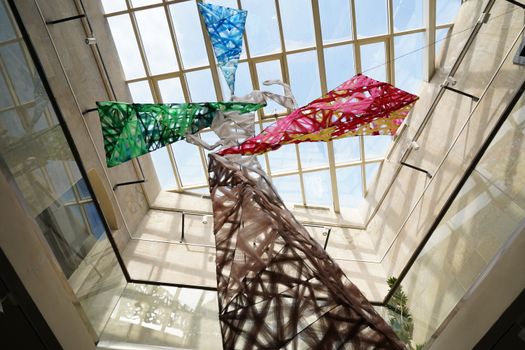
Vibrant modern art installation in an indoor atrium with glass ceiling. Photo: Tahir Xəlfəquliyev / Pexels
Historically, the materials and techniques employed also played a significant role in defining what is the difference between fine art and craft. Fine art traditionally favored 'noble' materials like oil paint on canvas, marble, bronze, or fresco, often requiring specialized training in academic settings. The techniques were often seen as intellectual and requiring a deep understanding of theory, perspective, and human anatomy. Craft, conversely, was associated with 'humble' materials – clay, wood, fiber, glass, metal – and techniques passed down through apprenticeships or family traditions. The emphasis was on meticulous execution, durability, and a deep, intuitive understanding of the material's properties. However, the 20th and 21st centuries have witnessed a profound blurring of these lines, challenging the traditional hierarchy. Modern and contemporary artists frequently incorporate materials and techniques historically associated with craft into their fine art practices. Artists use textiles, ceramics, glass, and even digital fabrication to create works that are undeniably considered fine art. Conversely, many contemporary craftspeople create objects that prioritize aesthetic expression and conceptual depth over strict utility. For instance, a ceramic sculpture might be created by a potter using traditional techniques, but its purpose is purely sculptural and contemplative, not functional. Similarly, textile artists create large-scale installations that are gallery-bound, using weaving or embroidery as a medium for social commentary or abstract expression. This convergence is partly due to the re-evaluation of craft traditions, recognizing the inherent skill, artistic vision, and cultural significance embedded within them. Movements like the Arts and Crafts movement in the late 19th and early 20th centuries, and later the studio craft movement, championed the artistic integrity of handcrafted objects, pushing back against industrialization and the devaluation of manual skill. Today, institutions and galleries often feature works that comfortably straddle both worlds, challenging viewers to reconsider rigid definitions. The rise of digital art forms also complicates the traditional material-based distinctions, as digital creations can be both highly conceptual and incredibly intricate. This fluidity suggests that the distinction is less about the material itself or the technique, and more about the artist's intention and the cultural context in which the work is presented and received. The ongoing dialogue enriches the entire spectrum of creative expression, encouraging a broader appreciation for all forms of human ingenuity and artistry.

Navigating the Nuances: Tips for Appreciating Both Art Forms
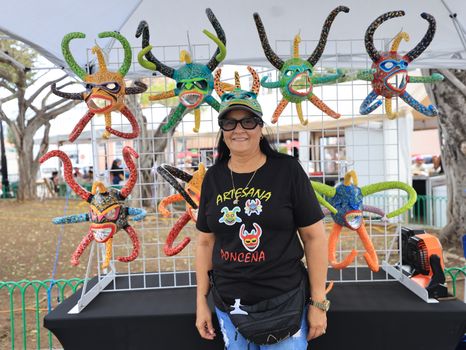
A woman showcases vibrant, colorful artisan masks at an outdoor market booth. Photo: Heriberto Jahir Medina / Pexels
Understanding the historical and conceptual differences between fine art and craft doesn't mean one is inherently superior to the other. Instead, it offers a richer framework for appreciating the vast spectrum of human creativity. Here are some tips for navigating these nuances and developing a deeper appreciation for both fine art and craft: * **Look Beyond the Label:** Don't let the terms 'art' or 'craft' limit your perception. Approach each piece with an open mind, considering its aesthetic qualities, the skill involved, and the message or feeling it conveys, regardless of its traditional classification. * **Consider the Creator's Intent:** Try to understand why the artist or craftsperson made the object. Was it primarily to communicate an idea, evoke an emotion, or to serve a practical purpose? Often, the intent can reveal much about its categorization. * **Appreciate Skill and Mastery:** Both fine art and craft demand incredible skill and dedication. Marvel at the precision of a master potter, the intricate brushwork of a painter, or the delicate details of a weaver. Recognize that mastery of materials and techniques is a hallmark of excellence in both fields. * **Explore Context:** Research the historical and cultural context in which a piece was created. Understanding the prevailing artistic movements, societal values, and technological capabilities of the time can illuminate the significance of the work and its original classification. * **Visit Diverse Venues:** Explore not just fine art museums, but also craft fairs, artisan markets, specialized craft galleries, and historical societies. This exposure will showcase the incredible breadth and depth of both disciplines and help you see the connections and divergences firsthand. * **Engage with Contemporary Work:** Many contemporary artists intentionally blur the lines, using craft techniques in fine art or elevating functional objects to conceptual statements. Engaging with these works is key to understanding the evolving definitions and appreciating the dynamism of the art world. For example, some artists might use traditional quilting techniques to create large-scale narrative pieces, while others might create functional furniture that is also a sculptural masterpiece. This fusion challenges rigid definitions and invites a more holistic appreciation of creativity. By adopting these approaches, you can move beyond simple categorization and cultivate a more profound and inclusive appreciation for the rich tapestry of human artistic and artisanal expression.

Comparison

FeatureFine ArtTraditional CraftContemporary Craft
Primary IntentAesthetic expression, conceptual exploration, emotional evocationUtility, function, practical applicationBlurs lines; aesthetic, conceptual, and/or functional
Historical StatusHigh status, intellectual pursuit, academicLower status, manual labor, guild-basedRising status, recognized artistic merit
Key ValueOriginality, uniqueness, conceptual depthMastery of skill, durability, usabilityInnovation, skill, aesthetic impact, conceptual depth
Exhibition VenueArt museums, galleries, auctionsFairs, markets, homes, specialized shopsArt galleries, museums, specialized craft shows

What Readers Say

"This article beautifully articulates what is the difference between fine art and craft. I always felt a distinction but couldn't quite put my finger on it. Now I understand the historical context and the shift over time."

Sarah J. · Brooklyn, NY

"As a ceramist, I often grapple with how my work is perceived. This piece offers a really insightful perspective on the intent behind creation, which is a key differentiator. Highly recommended for anyone in the arts!"

Mark D. · Austin, TX

"Finally, a comprehensive explanation! The historical timeline really helped me grasp why these categories exist. My appreciation for both painting and pottery has deepened significantly after reading this."

Elena R. · Chicago, IL

"While the article is excellent, I do think the 'blurred lines' section could have even more examples of contemporary artists breaking boundaries. Still, a fantastic overview that clarifies many misconceptions."

David L. · Seattle, WA

"I used to think 'craft' was just for kids, but this article completely changed my perspective. The discussion on mastery and utility versus pure aesthetics was eye-opening. I now see the artistry in everyday objects."

Chloe M. · Miami, FL

Frequently Asked Questions

What is the primary distinguishing factor between fine art and craft?

The primary distinguishing factor often lies in their core intent and purpose. Fine art is typically created for aesthetic contemplation, emotional expression, or conceptual exploration, prioritizing intellectual and visual impact. Craft, while often beautiful, traditionally emphasizes utility, functionality, and the skilled production of objects for practical use.

Does fine art always have a higher value than craft?

Historically, fine art was often accorded higher cultural and monetary value due to its intellectual associations and academic prestige. However, this is not universally true today. High-quality, unique, or historically significant craft pieces can command significant value, and contemporary perspectives increasingly recognize artistic merit across both categories, blurring traditional hierarchies.

Can craft be considered art?

Absolutely. While traditionally separated, many contemporary craftspeople create works that are undeniably artistic. When a craft object transcends mere utility to prioritize aesthetic expression, conceptual depth, or emotional impact, it often blurs the line into fine art. The 'studio craft' movement, for example, championed craft as a fine art form.

What materials are typically associated with fine art versus craft?

Historically, fine art favored 'noble' materials like oil paint, marble, and bronze. Craft was associated with 'humbler' materials such as clay, wood, fiber, glass, and metal. However, this distinction is largely obsolete today, with artists and craftspeople freely using a wide range of materials across both disciplines.

How did the Renaissance influence the distinction between art and craft?

The Renaissance played a crucial role by elevating painting, sculpture, and architecture to 'fine arts,' emphasizing individual genius, intellectual conception, and aesthetic purpose. This era saw the emergence of art academies that solidified this hierarchy, effectively distinguishing these intellectual pursuits from the more manual and utilitarian practices of craft.

Who should appreciate what is the difference between fine art and craft?

Anyone with an interest in human creativity, cultural history, and aesthetic expression should appreciate the differences and commonalities between fine art and craft. Artists, art historians, collectors, designers, and general enthusiasts can all benefit from understanding these nuanced distinctions to broaden their perspective and deepen their appreciation for various forms of creative work.

Are there any risks in rigidly defining art and craft?

Yes, rigidly defining art and craft risks limiting appreciation, stifling innovation, and perpetuating historical biases. It can devalue skilled craftsmanship, overlook the artistic merit in functional objects, and constrain artists who wish to explore materials and techniques across traditional boundaries. A more fluid perspective allows for richer engagement with all creative forms.

What future trends might further blur the lines between art and craft?

Future trends like advanced digital fabrication, AI-assisted design, and the increasing focus on sustainability and handmade ethics will likely continue to blur the lines. As technology makes complex creations more accessible and as society re-emphasizes the value of unique, handcrafted items, the distinction may become even more fluid, fostering a holistic view of creative production.

By understanding what is the difference between fine art and craft, you unlock a richer appreciation for the vast landscape of human creativity. Explore, question, and celebrate the unique beauty and profound purpose found in every stroke, stitch, and sculpture. Dive deeper into the world of arts and crafts today.

Topics: fine art vs craftart vs craftdefining artcraftsmanshipart history
Leo List
Brampton weed
Adultwork EstrelaBet Vai de Bet R7 Bet Betão Galera Bet Rainbet Bet9ja Shop SportyBet BetKing Sisal Loto Foot Hollywoodbets YesPlay Odibets RushBet Jugabet BetWarrior BetCity MSport betPawa Fortebet