
Unveiling: What is the Purpose of Art?
Delve into the myriad reasons art exists, from personal expression to global transformation, and how it enriches our lives.
Discover Art's PowerKey Takeaways
- ✓ Art serves as a fundamental form of human expression, transcending language barriers.
- ✓ Its purpose is often subjective, varying greatly across cultures, individuals, and historical periods.
- ✓ Art fosters empathy and understanding by allowing us to experience different perspectives.
- ✓ It acts as a catalyst for social change, challenging norms and provoking critical thought.
How It Works
Art evokes feelings, memories, and sensations within us. This emotional connection is often the first and most powerful impact.
Beyond emotion, art prompts contemplation, interpretation, and intellectual inquiry. It encourages us to question, analyze, and seek deeper meanings.
Art mirrors the human condition, reflecting societal values, struggles, and aspirations. It provides a historical record and a contemporary commentary.
Through exposure and engagement, art can alter our perceptions, broaden our horizons, and even inspire personal growth and change.
The Multifaceted Meaning of Art: Beyond Aesthetics
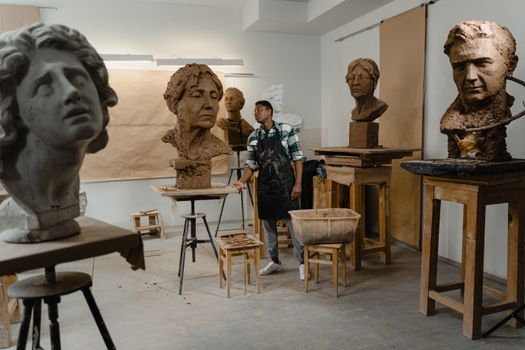 Photo: Tima Miroshnichenko / Pexels
Art as a Catalyst for Expression and Communication
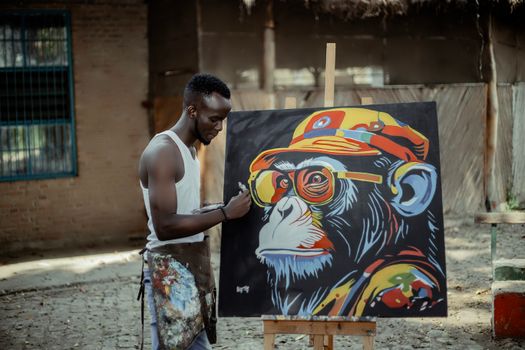 Photo: Chris wade NTEZICIMPA / Pexels
Art's Role in Society: Challenging, Healing, and Unifying
 Photo: Steve A Johnson / Pexels
Embracing the Subjectivity: Personal Purposes of Art
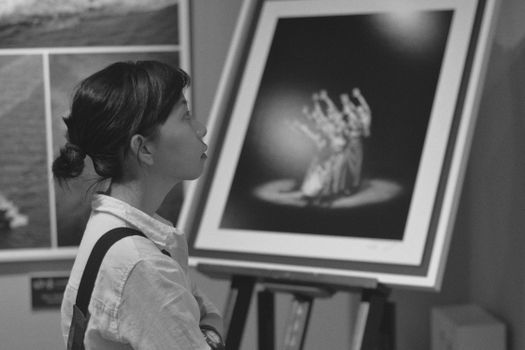 Photo: Như Vân ( Wind’s Buddha ) / Pexels
Comparison
| Feature | Art as Expression | Art as Social Commentary | Art as Aesthetic Pleasure | Art as Healing/Therapy |
|---|---|---|---|---|
| Primary Goal | Convey inner thoughts/feelings | Challenge norms, provoke thought | Evoke beauty, sensory delight | Promote emotional well-being |
| Audience Impact | Empathy, understanding | Critical thinking, action | Enjoyment, relaxation | Coping, self-discovery |
| Key Characteristics | Personal, subjective, raw | Provocative, political, collective | Harmonious, balanced, visually appealing | Introspective, cathartic, supportive |
| Historical Presence | ✓ | ✓ | ✓ | Recent formal recognition |
What Readers Say
"This article beautifully articulates what is the purpose of art. It helped me understand that art isn't just about what's pretty, but about deep human connection and expression. Truly insightful!"
Sarah J. · Austin, TX"I've always struggled to define art's purpose, but this piece laid it out so clearly. It reinforced my belief that art is essential for both individual reflection and societal progress."
Mark D. · Brooklyn, NY"As an aspiring artist, understanding what is the purpose of art is crucial. This article gave me a profound new perspective, helping me connect more deeply with my own creative process and its potential impact."
Elena R. · Los Angeles, CA"While comprehensive, I feel the article could have delved even deeper into the commercial aspects of art. Nonetheless, it offers a fantastic foundation for understanding the core reasons why art exists."
James K. · Chicago, IL"From a cultural studies perspective, this article brilliantly covers the diverse roles art plays. It's a must-read for anyone seeking to grasp the multifaceted answer to what is the purpose of art."
Priya S. · Seattle, WAFrequently Asked Questions
What is the primary function of art in modern society?
In modern society, art serves multiple primary functions: it acts as a powerful medium for personal and collective expression, a catalyst for social commentary and change, a source of aesthetic pleasure and cultural preservation, and a tool for emotional healing and intellectual exploration. Its role is highly dynamic and adapts to contemporary challenges and values.
Is there a single universal purpose for all art?
No, there is no single universal purpose for all art. The purpose of art is highly subjective and varies greatly depending on the artist's intention, the cultural context, the historical period, and the individual viewer's interpretation. Art can be created for spiritual, political, aesthetic, educational, or purely expressive reasons, among many others.
How can I better appreciate and understand the purpose of art?
To better appreciate and understand art's purpose, engage actively with it. Take time to observe, research the artist and context, reflect on your emotional and intellectual responses, and discuss your interpretations with others. Visiting galleries, reading art criticism, and even trying your hand at creating art can deepen your connection and understanding.
Does the commercial value of art affect its purpose?
The commercial value of art can certainly influence its production, distribution, and perception, but it doesn't fundamentally change its inherent purpose. While some art is created with commercial intent, much of it is not. Its core purposes of expression, communication, and societal reflection often exist independently of, or even in opposition to, its market price.
How does art differ from craft, and does this distinction impact its purpose?
Historically, craft focused on utility and mastery of technique for functional objects, while art emphasized aesthetic expression and conceptual depth. However, this distinction is increasingly blurred, with many contemporary artists blending both. While craft might prioritize function, both art and craft share purposes of expression, cultural preservation, and human ingenuity, though art often leans more towards challenging perceptions and provoking thought.
Who benefits most from understanding what is the purpose of art?
Everyone benefits from understanding the purpose of art. Artists gain clarity and direction for their work, audiences find deeper meaning and connection, educators can better teach cultural literacy, and society as a whole can leverage art's power for empathy, critical thinking, and social progress. It enriches the human experience for all.
Can art be harmful or have a negative purpose?
While art often aims for positive outcomes, it can indeed be used for harmful purposes, such as propaganda that promotes hatred, reinforces stereotypes, or manipulates public opinion. The impact of art, like any powerful tool, depends on the intentions of its creator and the context of its reception. Critical engagement is crucial to discerning its true message and intent.
What future trends might redefine what is the purpose of art?
Future trends like artificial intelligence in creation, virtual and augmented reality experiences, and increased global interconnectedness are likely to redefine art's purpose. We may see new forms of interactive and immersive art, a greater emphasis on collaborative and decentralized creation, and art's role expanding further into personalized therapeutic or educational applications, continuously pushing the boundaries of human expression and interaction.
Understanding what is the purpose of art is a lifelong journey of discovery and engagement. We invite you to explore, question, and connect with the vast world of artistic expression, allowing it to enrich your life and broaden your perspective. Dive deeper into the endless possibilities that art offers.