✓ Local art enriches community culture and identity.
✓ Directly supporting local artists keeps more money in the local economy.
✓ Many avenues exist, from online platforms to physical events, to discover local talent.
✓ Commissioning a local artist allows for personalized, unique pieces.
How It Works
1
Define Your Art Needs
Before searching, consider what type of art you're looking for (painting, sculpture, photography) and your budget. This helps narrow down your search and focus on relevant artists.
2
Explore Local Hubs
Visit local galleries, art fairs, and community centers. These physical locations are often curated spaces showcasing a diverse range of local talent and provide opportunities for direct interaction.
3
Leverage Digital Resources
Utilize online platforms like social media, artist directories, and local event listings. Many artists maintain active online presences, making their work accessible from anywhere.
4
Connect and Engage
Once you find artists whose work resonates with you, reach out. Attend their shows, follow them online, or inquire about commissions to build a relationship and potentially acquire a unique piece.
Unearthing Local Talent: Why and How to Find Local Artists
Photo: Craig Adderley / Pexels
The quest to find local artists is more than just a search for aesthetic pleasure; it's a journey into the heart of your community's creative spirit. Supporting local artists injects vitality into your neighborhood, fosters cultural exchange, and allows you to acquire unique, often deeply personal, pieces that tell a story. In an increasingly globalized world, the charm of something made by hand, with local inspiration, is unparalleled. But beyond the inherent value of art, there's a profound economic and social impact. When you invest in local art, you're directly contributing to the livelihood of individuals who enrich our collective experience. This isn't just about buying a painting; it's about sustaining a creative ecosystem. The money you spend often recirculates within the local economy, supporting other small businesses and services. Moreover, local art often reflects the unique character, history, and social fabric of a region, offering a deeper connection than mass-produced alternatives. For collectors, interior designers, or simply individuals looking to personalize their spaces, discovering a local artist can be a transformative experience. Imagine a mural that captures the essence of your city, or a sculpture inspired by local landscapes – these pieces become conversation starters, reflections of identity, and heirlooms. The challenge, however, often lies in knowing where to begin this exciting exploration. The art world can sometimes feel exclusive or impenetrable, but with the right guidance, anyone can become a patron of local arts. This comprehensive guide aims to demystify the process, providing actionable strategies and insights into how to effectively find local artists, connect with them, and bring their incredible work into your life. Whether you're seeking a specific style, a custom commission, or simply wish to explore the vibrant creativity around you, understanding the various avenues available is the first crucial step. From bustling art fairs to quiet studio visits, the opportunities to connect with local talent are abundant and diverse. Let's delve into the myriad ways you can become an active participant in your local art scene and discover the next great masterpiece. Explore the benefits of supporting local arts further to understand the profound impact your choices can have.
Navigating Physical Spaces: Galleries, Fairs, and Open Studios
One of the most traditional and rewarding ways to find local artists is by immersing yourself in the physical art landscape of your community. Art galleries, particularly independent and local ones, serve as primary showcases for regional talent. These establishments are often curated by individuals with a deep understanding of the local art scene, making them excellent starting points. Begin by searching online for "art galleries near me" or "local art galleries [your city/state]". Once you identify a few, make it a point to visit. Engage with gallery owners or staff; they are invaluable resources who can provide insights into artists' backgrounds, techniques, and upcoming exhibitions. Don't be shy about asking for recommendations based on your preferences. Beyond permanent galleries, art fairs and festivals are dynamic, temporary hubs where artists directly exhibit and sell their work. These events, often held annually or semi-annually, range from large-scale, juried shows to smaller, community-focused markets. They offer a fantastic opportunity to see a wide variety of styles in one location, interact directly with artists, and purchase pieces on the spot. Look for local listings on community websites, cultural calendars, or even social media groups for "art festivals [your city]" or "craft fairs [your region]". Attending these events allows for spontaneous discovery and often provides a more relaxed environment for conversation with creators. Open studio tours are another intimate way to connect with artists. Many cities organize events where artists open their private studios to the public for a day or a weekend. This offers a unique glimpse into the creative process, allowing you to see where and how art is made, understand the artist's environment, and often purchase directly from their workspace. Keep an eye on local arts council websites, university art department announcements, or neighborhood association newsletters for information on these events. Finally, don't overlook less conventional physical spaces. Local coffee shops, independent bookstores, libraries, and even restaurants often display and sell art by emerging local artists. These venues provide accessible entry points into the local art scene and can lead to unexpected discoveries. Simply by being observant in your daily routines, you might stumble upon an artist whose work captivates you. These physical interactions foster a deeper appreciation for the art and the artist, creating a memorable experience beyond a simple transaction.
Leveraging Digital Platforms and Community Connections to Find Local Artists
In the digital age, the search for local artists extends far beyond brick-and-mortar locations. Online platforms have revolutionized how we discover and connect with creative talent, making it easier than ever to find local artists from the comfort of your home. Social media, particularly platforms like Instagram, Facebook, and Pinterest, are powerful tools. Many artists maintain active profiles where they showcase their latest works, share glimpses into their process, and announce upcoming shows. By searching hashtags such as "#yourcityart," "#yourstateartist," "#localartist[yourcity]," or "#fineart[yourtown]," you can uncover a wealth of local talent. Following local art organizations, galleries, and cultural institutions on these platforms will also populate your feed with relevant artists and events. Beyond general social media, dedicated online artist directories and marketplaces exist. Websites like Etsy (though global, many artists specify their location), Artfinder, Saatchi Art, and even localized platforms often allow filtering by location, enabling you to pinpoint artists in your area. Additionally, many cities and regions have their own dedicated arts council websites or online cultural calendars that feature local artists, exhibition schedules, and contact information. These are often meticulously curated and are excellent resources for a concentrated search. Community forums and groups, both online and offline, also play a vital role. Local Reddit communities, Facebook groups dedicated to your city's art scene, or even neighborhood newsletters can be excellent places to ask for recommendations or discover artists who might not have a strong independent online presence yet. Word-of-mouth remains a potent force; ask friends, colleagues, or local business owners if they know any talented artists in the area. Often, the best discoveries come through personal connections and shared enthusiasm. Consider attending workshops or classes offered by local art centers. Not only can this be a fun way to explore your own creativity, but it also puts you in direct contact with art instructors who are often local artists themselves or are well-connected within the local art community. These informal settings can lead to invaluable introductions and insights into the local scene. By combining these digital strategies with genuine community engagement, your chances of finding local artists whose work resonates with you dramatically increase. Discover how digital art platforms are changing the game for artists and buyers alike.
Tips for Engaging and Commissioning Local Artists
Once you've successfully navigated the landscape of where to find local artists, the next step is often engaging with them, and potentially commissioning a unique piece. This process can be incredibly rewarding but benefits from a thoughtful approach. Here are some key tips for a positive experience:
* **Do Your Homework:** Before reaching out, thoroughly explore the artist's portfolio. Understand their style, medium, and typical subject matter. This ensures their aesthetic aligns with what you're seeking and demonstrates respect for their work.
* **Be Clear and Specific:** When inquiring about a commission, provide clear details about your vision, including size, preferred colors, subject matter, and any deadlines. Share reference images if helpful. The more information you provide, the better the artist can understand and execute your request.
* **Respect Their Process and Pricing:** Artists are professionals. Understand that their time, skill, and materials come at a cost. Be prepared to discuss pricing openly and respect their rates. Avoid haggling excessively; remember you're investing in unique talent. Be open to their creative input and suggestions.
* **Establish a Written Agreement:** For commissions, a simple contract outlining the scope of work, timeline, payment schedule (often a deposit upfront and final payment upon completion), revision process, and ownership rights is crucial. This protects both parties and sets clear expectations.
* **Communicate Regularly:** Maintain open lines of communication throughout the process. Respond promptly to questions and provide feedback when requested. A good working relationship is built on mutual respect and clear dialogue.
* **Provide Constructive Feedback:** If revisions are part of the agreement, offer feedback that is specific, actionable, and aligns with your initial vision. Avoid vague comments that don't help the artist understand your concerns.
* **Promote Their Work:** After acquiring a piece or receiving a commission, share your experience! Tag the artist on social media, tell your friends, and leave positive reviews. This helps support their career and introduces their work to a wider audience.
Following these guidelines will not only help you acquire a beautiful piece of art but also foster a strong, respectful relationship with the local artists in your community.
Comparison
Feature
Art Galleries
Art Fairs/Festivals
Online Directories
Social Media
Direct Artist Interaction
Sometimes (owners often intermediary)
✓
Limited (messaging)
✓
Variety of Styles
Curated, specific
Wide
Very Wide
Very Wide
Immediate Purchase Option
✓
✓
✓
Sometimes (link to shop)
Discovery of New Artists
✓
✓
✓
✓
Geographic Specificity
High
High
Filterable
Hashtags/Local Groups
What Readers Say
★★★★★
"I used this guide to find local artists for a custom mural in my cafe. The tips on engaging artists were spot-on, and I found an incredible talent who perfectly captured my vision!"
Sarah J. · Austin, TX
★★★★★
"Attending local art fairs became a new hobby after reading this. It's so much more personal than buying mass-produced art. I've bought three unique pieces already."
Mark D. · Portland, OR
★★★★★
"I was struggling to find a unique gift for my husband's birthday. Following the social media tips, I discovered a local ceramist and commissioned a beautiful custom vase he absolutely loves."
Emily R. · Miami, FL
★★★★★
"The article provided a great overview of where to find local artists. While some online directories were a bit outdated, the advice on visiting open studios led me to a fantastic painter."
David L. · Denver, CO
★★★★★
"As an interior designer, finding local artists is key to my projects. This guide gave me new avenues to explore, particularly the emphasis on community groups. My clients love the personalized touches."
Jessica M. · Chicago, IL
Frequently Asked Questions
What's the best way to find local artists for a specific style of art?
Start by identifying keywords related to the style you're looking for (e.g., 'abstract painter,' 'landscape photographer'). Then, use these keywords on social media hashtags, local gallery websites, and artist directories. Attending art fairs or open studios that specialize in certain genres can also be highly effective, as you can directly see a curated selection of works.
Is it generally more expensive to buy art from a local artist compared to a chain store?
Not necessarily. While unique, handcrafted art often reflects the artist's skill and time, you can find local art across a wide range of price points. Many emerging artists offer affordable pieces, and even established artists may have smaller works or prints available. The value often lies in the originality and direct connection to the creator, which mass-produced items lack.
How do I approach a local artist about commissioning a piece?
Begin by researching their existing work to ensure their style aligns with your vision. Then, send a polite email or message through their preferred contact method (often listed on their website or social media). Clearly state your interest in a commission, briefly describe your idea, and ask about their availability, process, and pricing for custom work. Be prepared with details like size, budget, and desired timeline.
What should I expect in terms of payment when commissioning a local artist?
Typically, artists will require an upfront deposit (often 30-50% of the total cost) before beginning a commission. This covers initial material costs and secures their time. The remaining balance is usually due upon completion and your approval of the final artwork. Always clarify the payment schedule and terms in a written agreement beforehand to avoid misunderstandings.
How do local art shows and festivals differ from permanent galleries in terms of finding artists?
Local art shows and festivals offer a broader, more diverse, and often less formal selection of artists, many of whom may not have gallery representation. They provide direct interaction with creators and often allow for immediate purchases. Galleries, on the other hand, typically feature a more curated collection, often representing a select group of artists with a consistent style, and provide a more intimate viewing experience.
Who should actively seek out local artists?
Anyone looking for unique, meaningful decor for their home or office, individuals seeking personalized gifts, interior designers wanting to add bespoke elements to projects, businesses aiming to support their community, and art enthusiasts eager to discover new talent and invest in original creations should actively seek local artists.
Are there any risks associated with buying art directly from local artists?
The primary 'risk' is often a lack of formal provenance or resale market value compared to established gallery artists. However, you can mitigate this by asking for a certificate of authenticity from the artist, documenting your purchase, and ensuring clear communication regarding the artwork's care. Most interactions are positive, but always ensure a clear agreement for commissions.
What future trends might impact how we find local artists?
Expect continued growth in online artist communities and localized digital marketplaces. Augmented reality (AR) apps might allow virtual placement of local art in your home before purchase. Additionally, pop-up galleries and collaborative spaces that merge art with other local businesses could become more prevalent, making local art even more accessible and integrated into daily life.
Embark on your journey to where to find local artists today. Your community's creative spirit awaits your discovery, offering unique pieces and enriching experiences. Start connecting with the incredible talent around you.
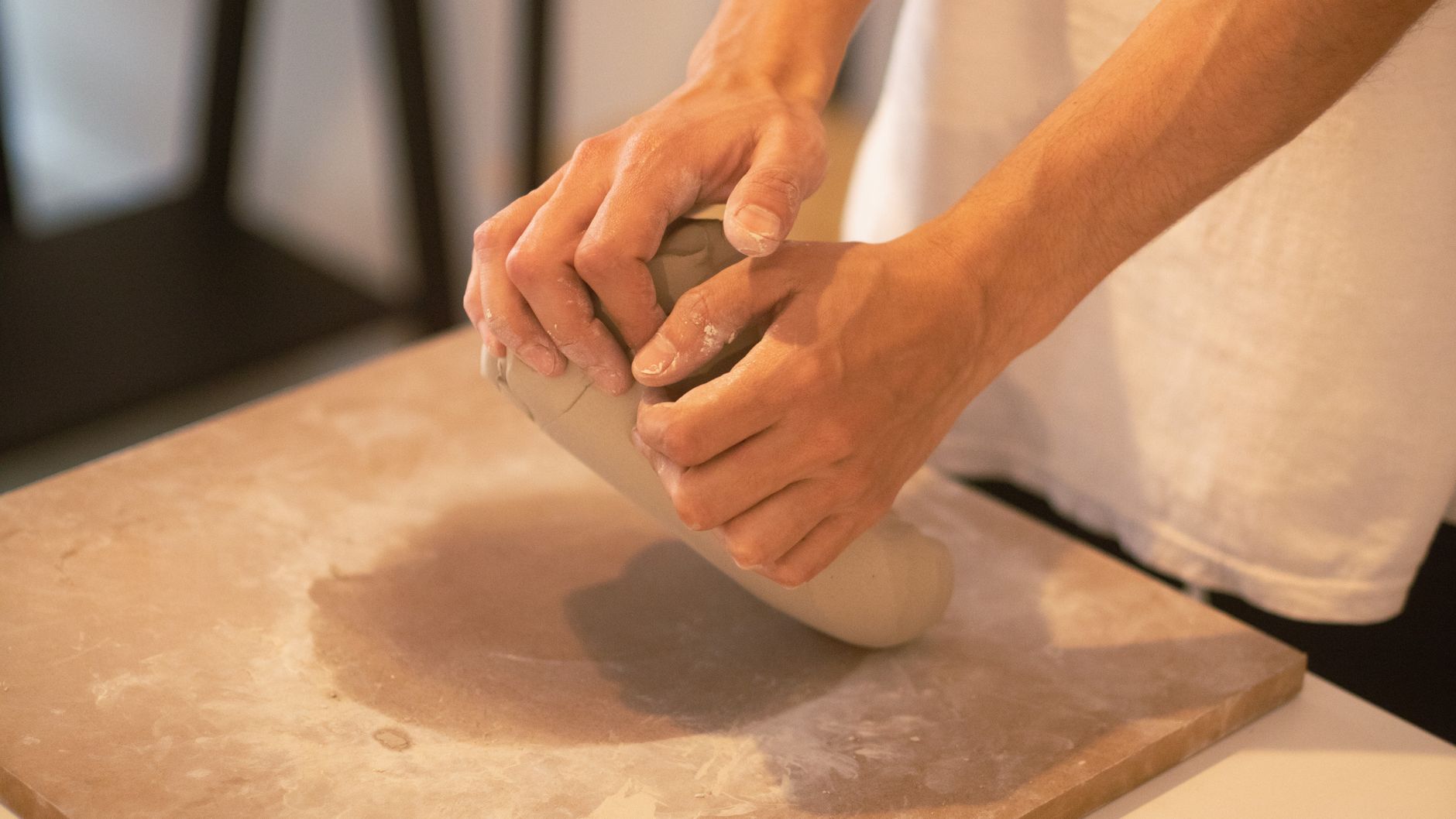
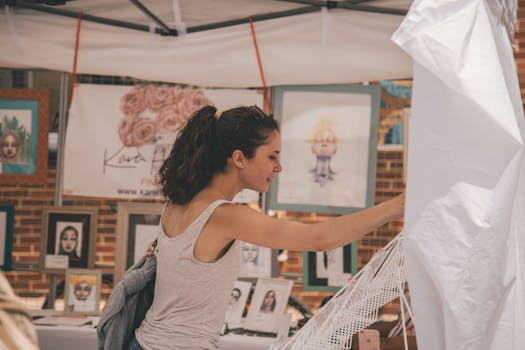 Photo: Craig Adderley / Pexels